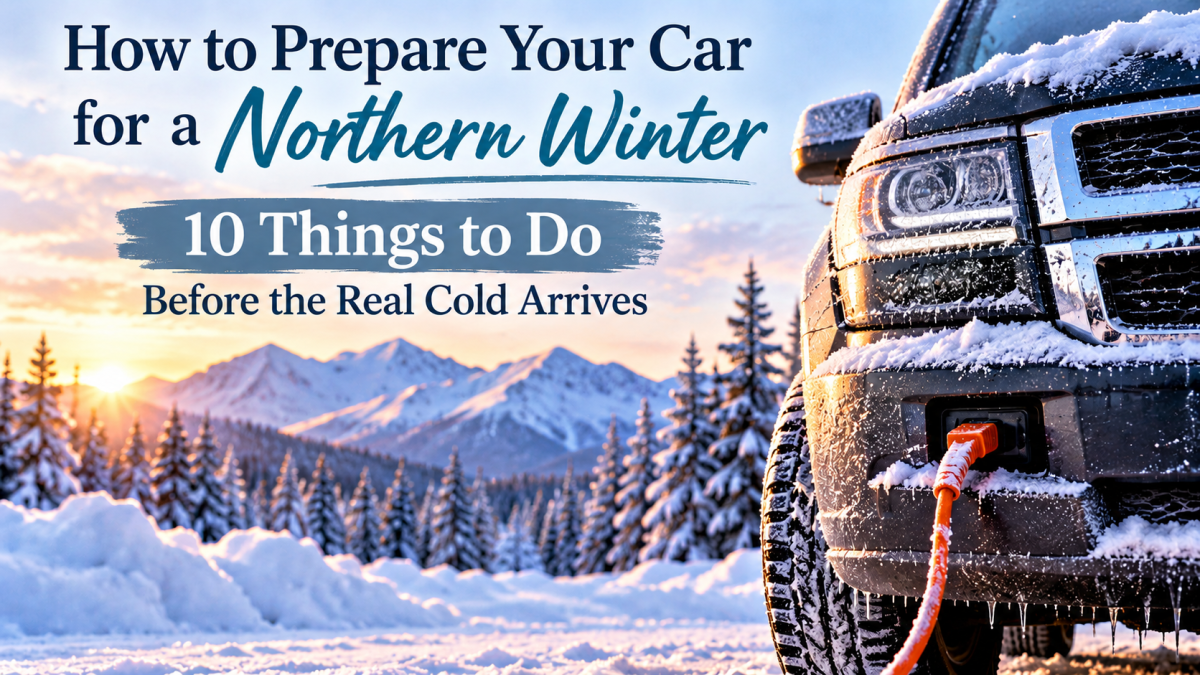
Cold weather is hard on vehicles. Here are 10 things to check before winter really settles in, from your battery and tires to fluids, block heaters, and the little things that are easy to forget.
There’s a point every fall in Alaska when winter stops feeling like something that’s coming and starts feeling like something that’s already here.
We’ve had our frosts. We’ve seen some snow. And suddenly all those little things we meant to do before winter start moving a little higher on the priority list!
Preparing your vehicle for winter is one of them.
Cold temperatures are tough on batteries, tires, fluids, and just about everything else under the hood. And while you can’t prevent every cold-weather problem, a little preparation before the temperatures really drop can make winter driving much easier and hopefully keep you from discovering a problem on a dark, freezing morning when you’re already running late.
Here are 10 things we check or think about when getting our vehicles ready for an Alaska winter.
1. Have Your Battery Checked
If your battery is already getting weak, winter has a way of letting you know.
Cold temperatures reduce a battery’s available power at the same time your engine needs more power to start. That’s not a great combination.
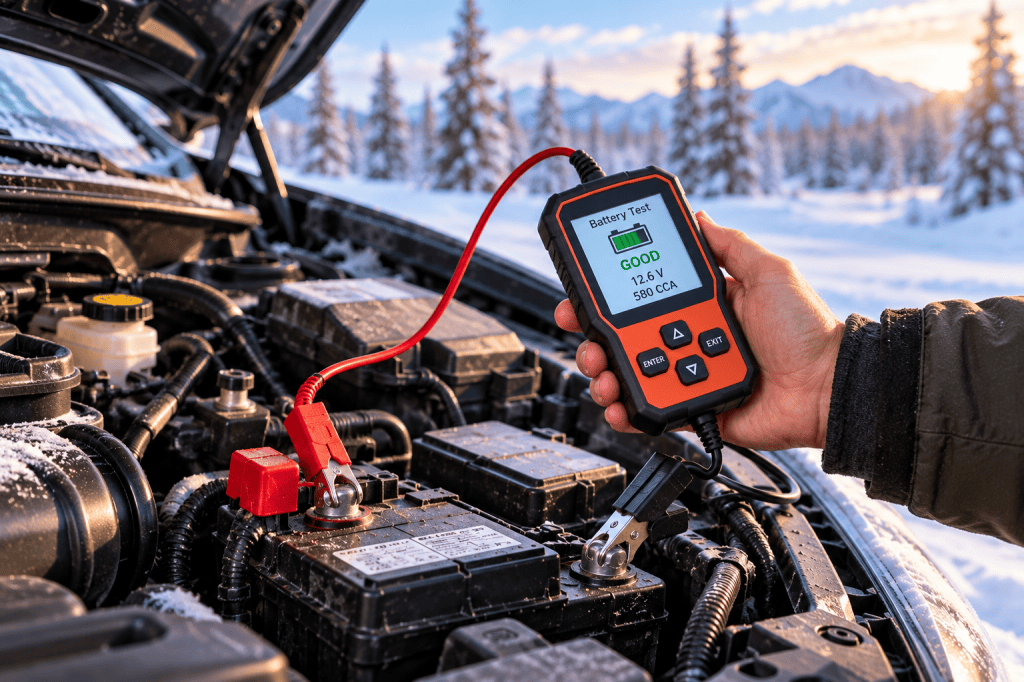
Before the serious cold arrives, have your battery tested, especially if it’s several years old or you’ve noticed slower starting.
Also take a look at the battery terminals. They should be clean, tight, and free of significant corrosion.
❄️Northern Tip:
A battery that seems perfectly fine in mild weather may tell a very different story at -20°F.
Want to check it yourself? A digital battery tester can give you a quick look at your battery’s condition at home. Some models can also check cranking performance and the charging system, which can be especially handy before winter.
2. Put On Your Winter Tires
For us, winter tires aren’t something we wait to think about until the roads are covered in snow.
Once temperatures consistently drop and winter driving conditions are approaching, it’s time to get them on.
Winter tires are made with rubber compounds designed to remain more flexible in cold temperatures, and their tread patterns are designed for winter conditions.
If you’re reusing tires from last season, inspect them for damage and make sure they still have adequate tread.
And don’t forget the spare tire if your vehicle has one.
3. Check Your Tire Pressure
Here’s one of those things that can surprise you every fall: tire pressure drops as temperatures drop.
So a tire that was properly inflated during warmer weather may end up noticeably low once winter arrives.
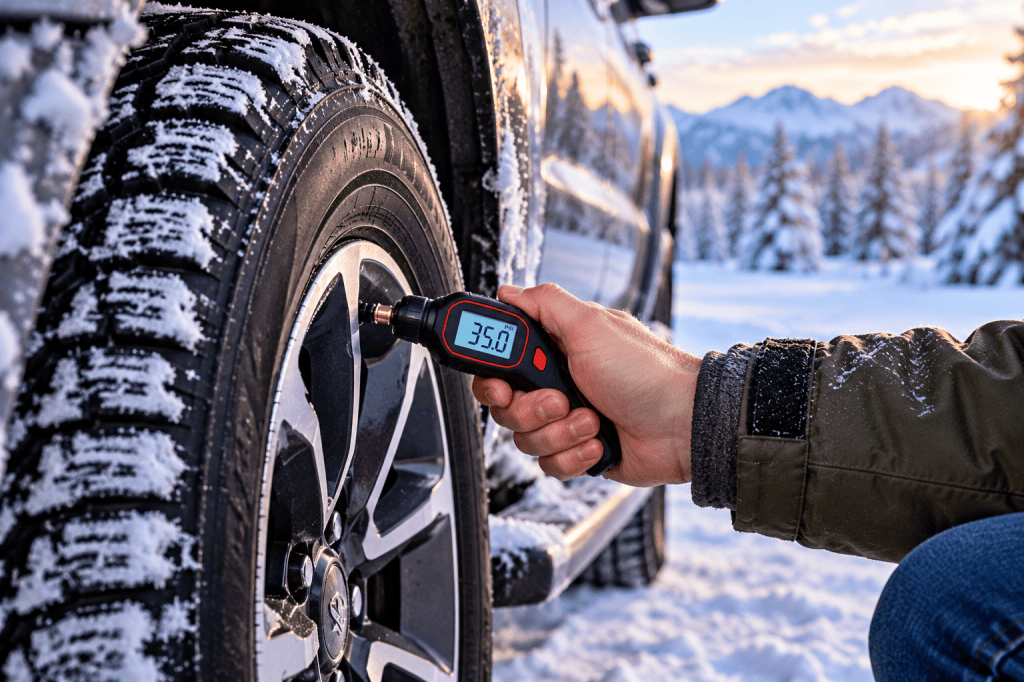
Check all four tires and inflate them according to your vehicle manufacturer’s recommended pressure. You can usually find that information on the sticker inside the driver’s door jamb.
❄️ Northern Tip:
Don’t inflate your tires to the maximum pressure printed on the tire itself. Use your vehicle manufacturer’s recommended cold-tire pressure.
Then keep checking throughout winter, especially after a significant temperature change. A small digital tire pressure gauge makes it easy to keep an eye on pressure as temperatures change throughout the winter.
4. Check Your Coolant and Antifreeze
It sounds strange to worry about coolant when everything outside is freezing, but your vehicle’s cooling system is just as important in winter.
Coolant helps protect the engine from both overheating and freezing.
Before winter, make sure the coolant level is correct and that the coolant mixture provides adequate freeze protection for the temperatures where you live.
If you aren’t sure about the condition, concentration, or age of your coolant, this is a good one to have checked by a mechanic.
In Alaska, “probably good enough” isn’t my favorite strategy for anything that’s supposed to remain liquid in January. 😂
5. Switch to Winter Windshield Washer Fluid
This is such an easy one to overlook.
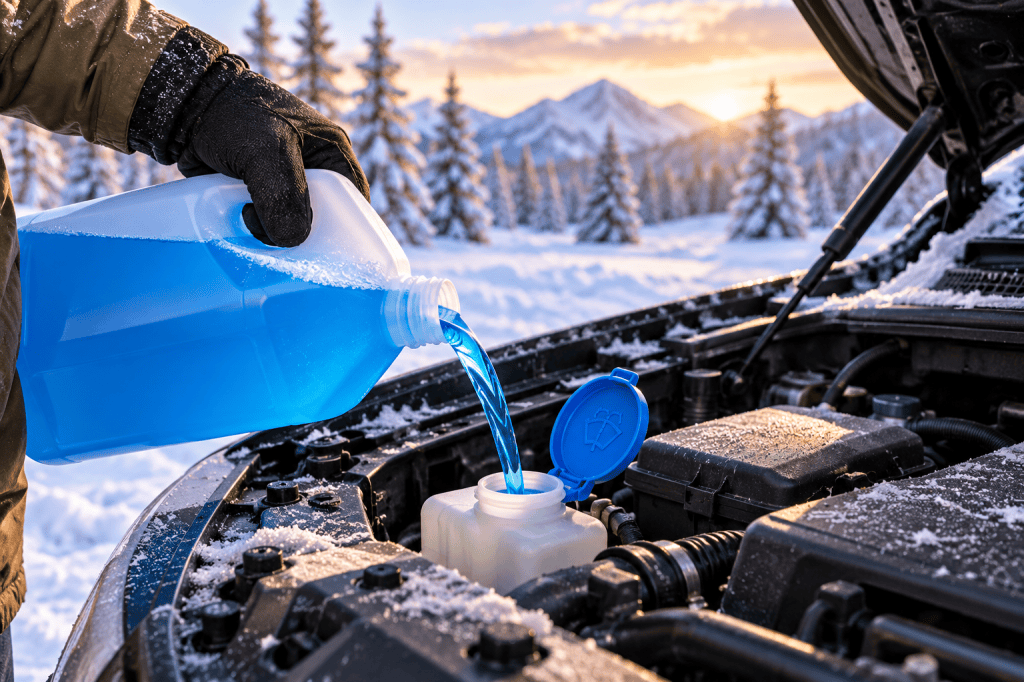
Not all windshield washer fluid is rated for extremely cold temperatures.
Check the bottle before buying it and choose one with a freeze rating appropriate for the winter temperatures you experience.
If there’s summer fluid still in the reservoir, don’t simply assume adding a little winter formula on top will give the entire tank the lower freeze protection printed on the new bottle.
A frozen washer system is particularly inconvenient when winter roads are coating your windshield with dirty slush.
6. Inspect Your Windshield Wipers
Snow, ice and freezing temperatures are hard on wiper blades.
If yours are streaking, cracking, skipping across the windshield or simply aren’t clearing it well anymore, replace them before winter.
Some drivers prefer winter-style blades designed to handle snow and ice buildup.
Whatever style you use, good visibility matters enormously when you’re driving through snow, darkness, road spray, or all three at once!
7. Check Your Block Heater and Cord
This one is especially important for those of us living where real cold happens.
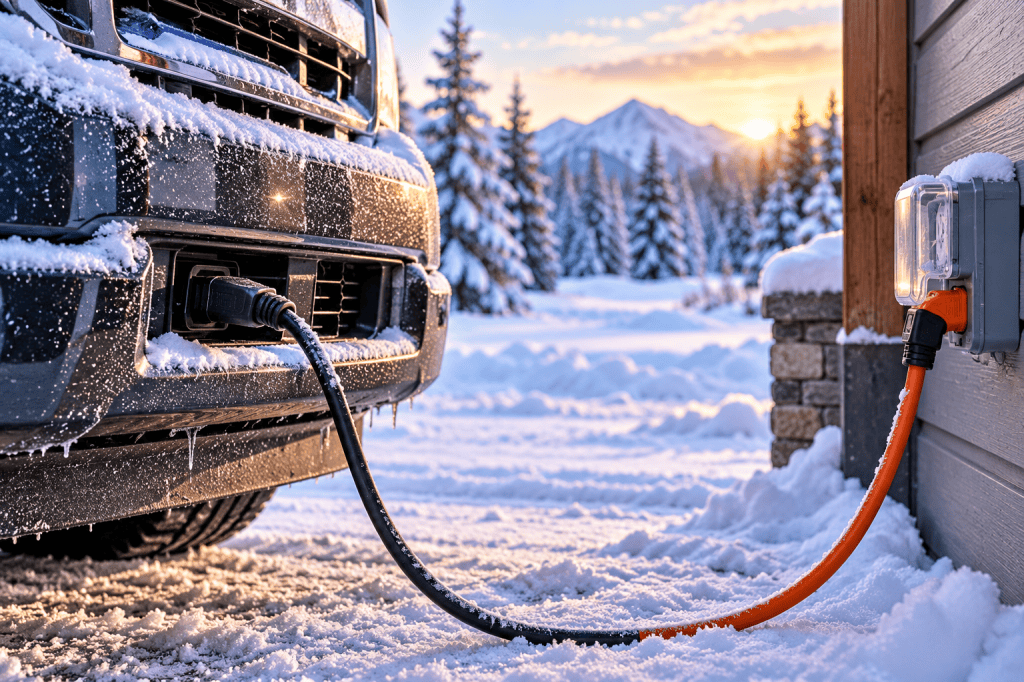
If your vehicle has an engine block heater, don’t wait for the first brutally cold night to discover the cord is damaged or the heater isn’t working.
Inspect the plug and cord for obvious damage and make sure the system is functioning properly.
Depending on the vehicle and climate, you may also use other cold-weather heating equipment, such as an oil-pan heater or battery warmer.
Follow the vehicle and heater manufacturers’ recommendations for when and how long to plug them in.
❄️Northern Tip:
This is also a good time to inspect your outdoor extension cord. We use a heavy-duty cold-weather extension cord rated for outdoor use and temperatures well below zero. Always make sure the cord is appropriately rated for the electrical load involved.
8. Check Your Lights
Winter means a whole lot more driving in the dark up here.
Walk around the vehicle and check:
- Headlights
- High beams
- Brake lights
- Tail lights
- Turn signals
- Hazard lights
- License plate lights
Clean the lenses, too. Road grime, snow and ice can significantly reduce how much light actually gets through.
It’s a tiny job that can make a big difference in visibility.
9. Keep More Fuel in the Tank
I’m not saying the tank needs to be topped off every time you leave the driveway.
But during winter, I don’t like letting it get extremely low.
Weather, road closures, accidents or simply getting stuck somewhere longer than expected can turn an ordinary drive into a long wait.
Having plenty of fuel gives you more flexibility, and potentially more time to safely run the vehicle for heat if you’re stranded, provided the exhaust system is clear of snow, and you follow carbon-monoxide safety precautions.
This becomes even more important when you’re traveling outside town or through areas with long distances between services.
10. Pack a Winter Emergency Kit
Once the vehicle itself is ready, it’s time to think about the people inside it.
We keep a winter car emergency kit with things that could help if we got stuck, broke down, slid off the road or simply had to wait much longer than expected.
That includes items such as:
- Warm blankets
- Extra gloves and hats
- Hand warmers
- Flashlight
- First-aid supplies
- Ice scraper and snow brush
- Small shovel
- Traction aids
- Portable jump starter
- Phone power bank
- Emergency food and water
We already put together a complete guide explaining what we keep in ours:
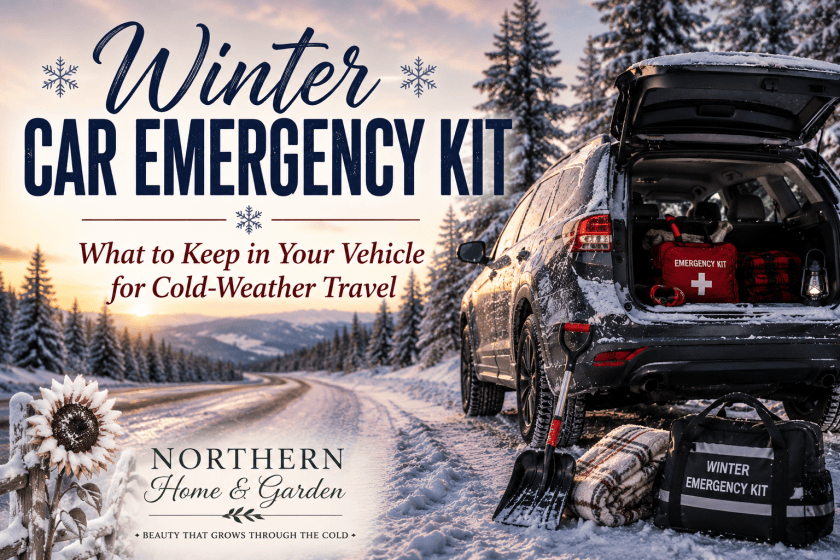
→ Winter Car Emergency Kit: What to Keep in Your Vehicle for Cold-Weather Travel
A Little Preparation Goes a Long Way
Winter driving is simply part of life in Alaska.
We can’t control the temperature, snowfall or road conditions, but we can do quite a bit before the worst weather arrives to make sure our vehicles are as ready as possible.
Check the battery. Get the tires on. Inspect the fluids. Test the heater. Pack the emergency supplies.
None of these jobs is particularly exciting, but neither is standing beside a vehicle that won’t start when it’s below zero. 😂
Do a little at a time while the weather is still cooperative, and you’ll be much happier when winter decides it’s officially done being polite.
🌻 Northern Home & Garden

