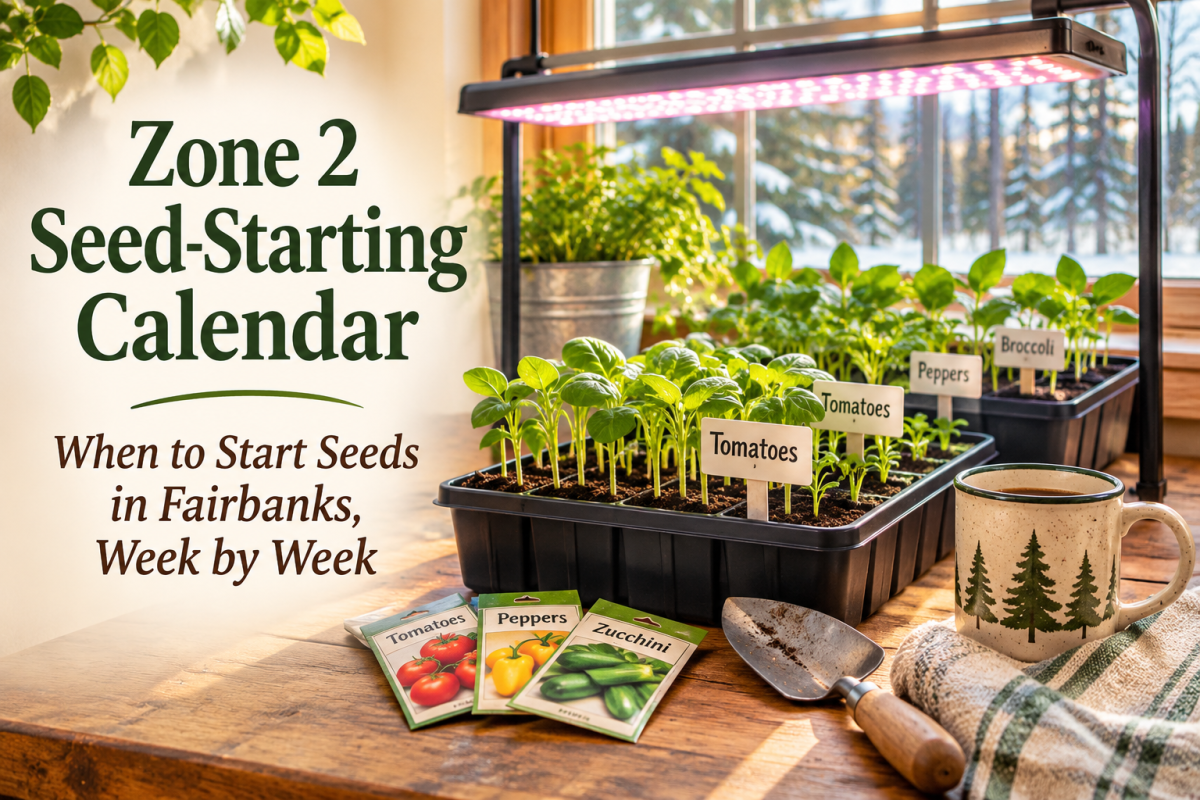
A week-by-week seed-starting calendar for Fairbanks and Zone 2 gardens, counted back from real northern frost dates, plus a plan for those of us who can’t wait until June 1.
Ask any Fairbanks gardener when it’s safe to plant outside, and you’ll hear the same answer: June 1. Ask me when I actually plant, and the honest answer is mid-May. 😂 I’ve had to throw frost cloth over things more than once, but not every year, and that’s what keeps me gambling.
Whichever camp you’re in, the tricky part comes months earlier: knowing when to start seeds indoors. Most seed-starting charts are built for gardens that thaw in April, and the ones that mention Zone 2 can’t seem to agree on our frost dates. So here’s a week-by-week calendar built for real northern springs, with the crops I grow (tomatoes, broccoli, squash, zucchini and sunflowers) plus a few other northern favorites.
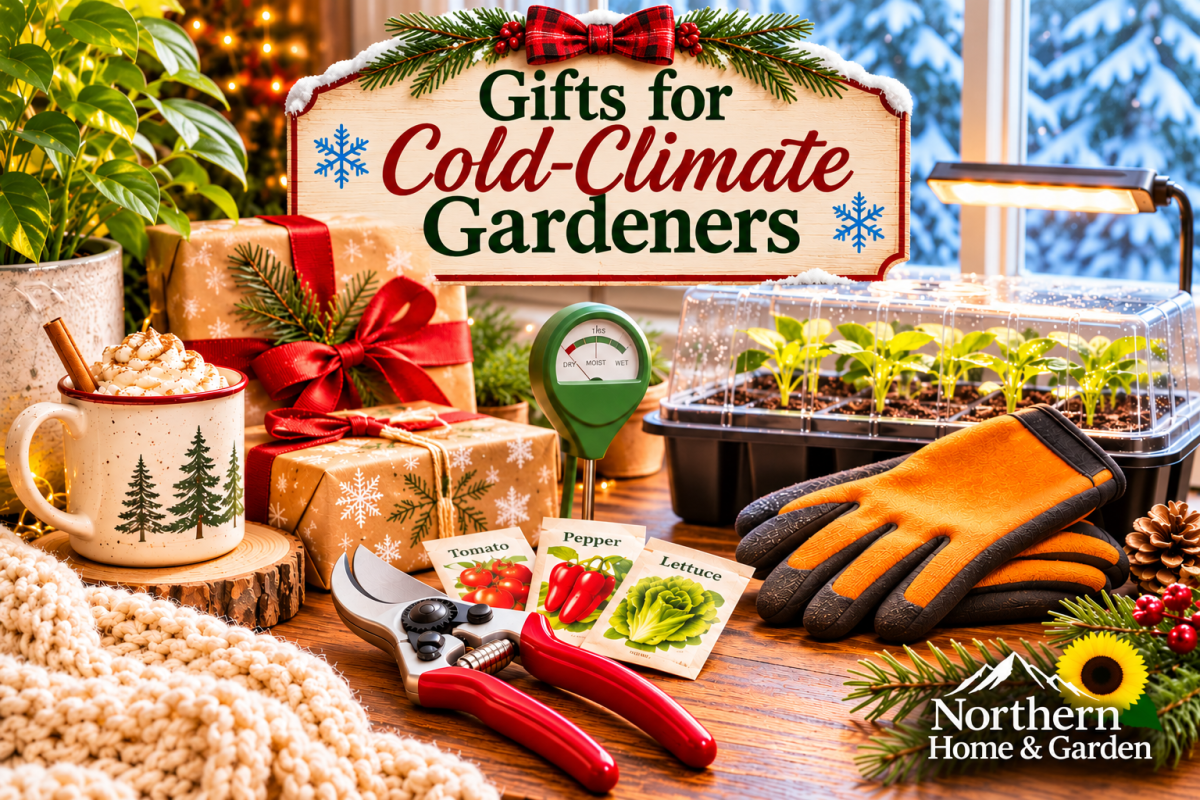
Practical gift ideas for northern gardeners, from seed-starting supplies and tools that last for years to cozy picks for anyone who just hates winter.
Affiliate Disclosure: This post contains affiliate links. As an Amazon Associate I earn from qualifying purchases. About Our Images: AI-generated for inspiration. Linked products may differ from those pictured.
Here in the North, the holiday season lands right in the middle of the longest stretch of the year without gardening. The beds are frozen, the seed catalogs are piling up, and spring feels a very long way off.
That’s what makes gardeners so fun to shop for this time of year. The best gifts help them plan for spring, keep their hands warm and dry through the in-between seasons, or make the dark months a little cozier while they wait.
Below you’ll find a few things I use myself, along with well-loved finds that northern gardeners tend to appreciate. And if the person on your list doesn’t garden at all but just really, really dislikes winter, there’s a section for them too.
With a short growing season, many northern gardeners start seeds indoors weeks before the ground thaws. That means a seed-starting gift gets put to use long before spring actually arrives.
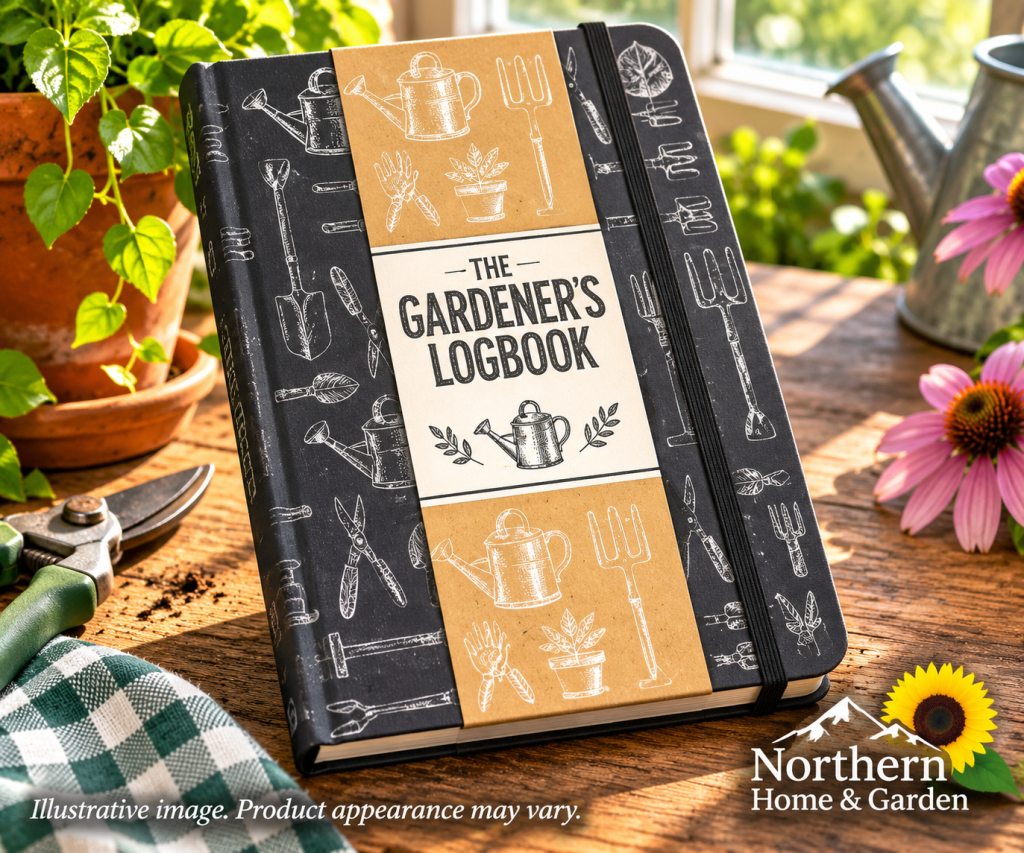
The Gardener’s Logbook
Winter is when gardens get planned on paper. This hardcover logbook has pages for tracking what was planted, where it went, and how it did, plus a pocket inside the back cover for tucking away seed packets and garden center receipts. In a short season, notes on which varieties actually ripened in time are worth their weight in gold.
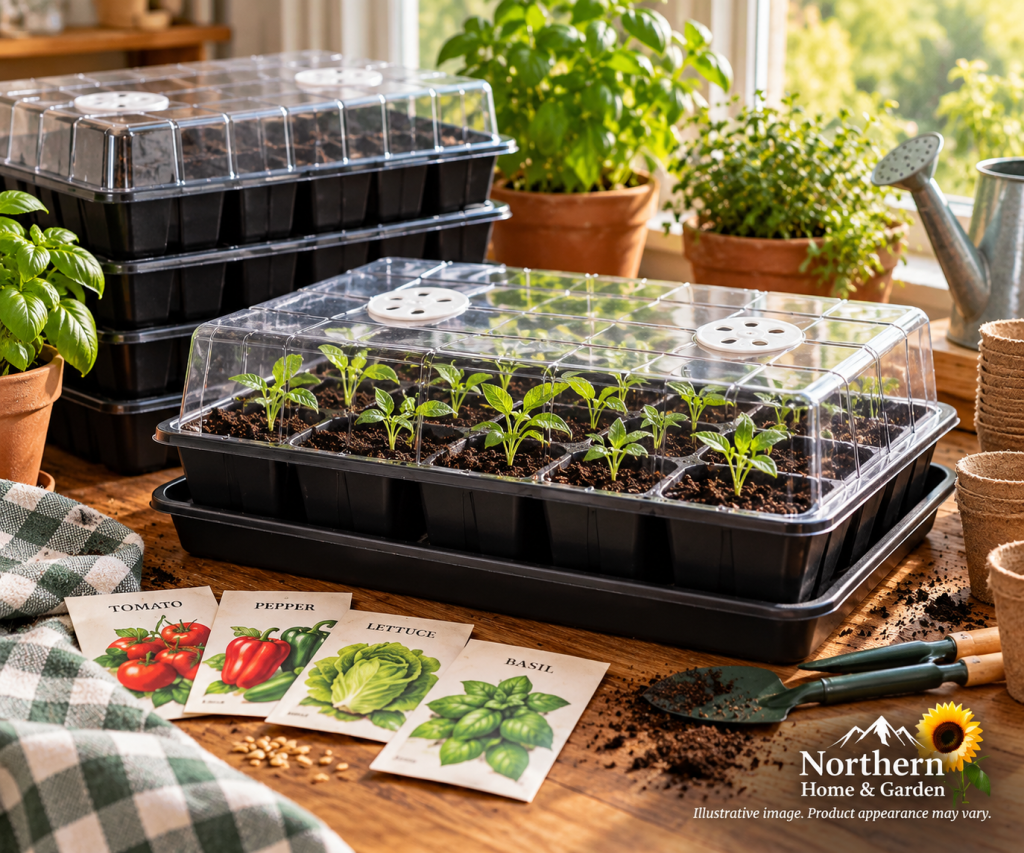
Trays with clear humidity domes give seeds a warm, moist place to sprout. They’re a practical gift for anyone who grows tomatoes, peppers, or flowers that need a head start indoors.
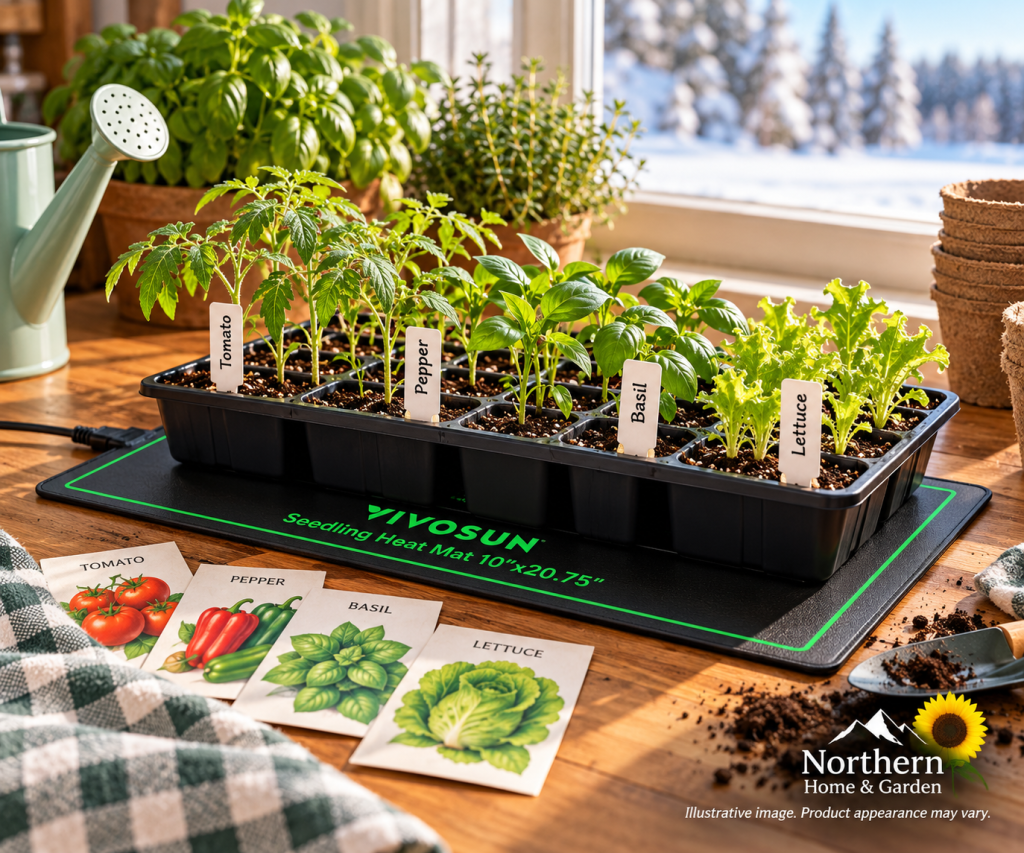
Northern homes can run cool in late winter, and many seeds are slow to sprout in cold soil. A heat mat under the tray gently warms the soil from below, which is especially helpful for heat-loving crops like peppers and tomatoes.
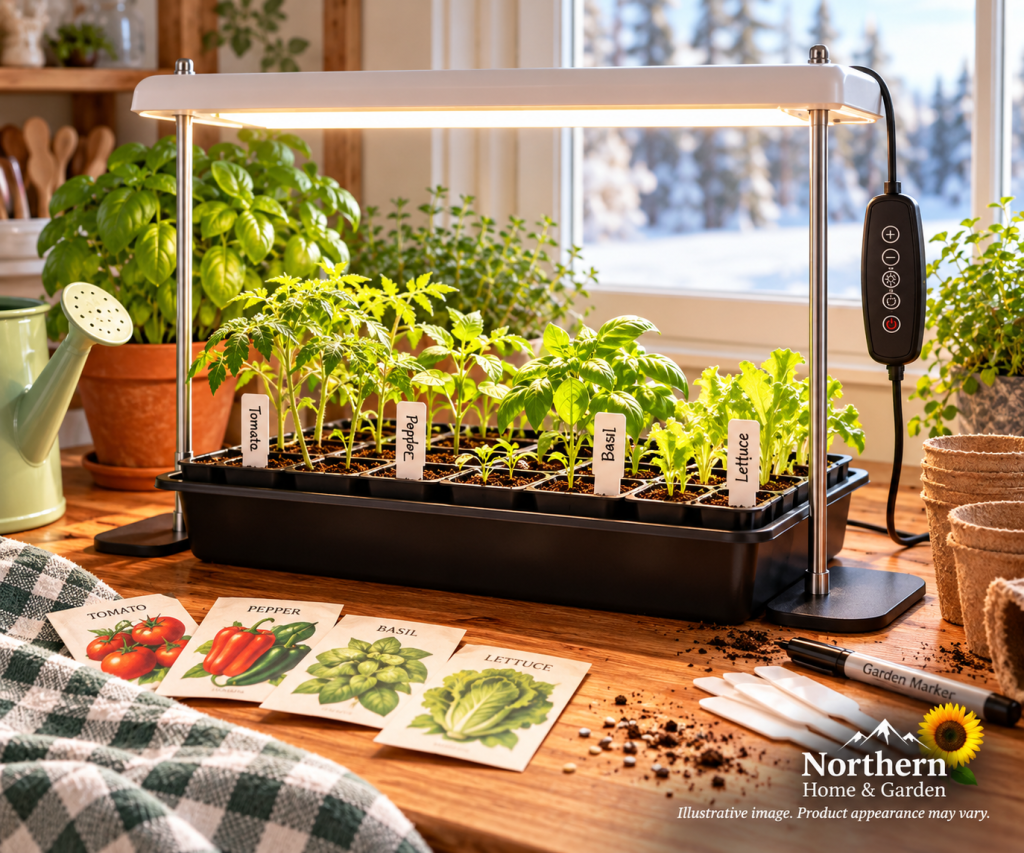
Even a sunny windowsill doesn’t provide enough light during a northern winter. A grow light keeps seedlings from stretching tall and leggy as they reach for the light, so they grow strong and sturdy until it’s time to plant out.
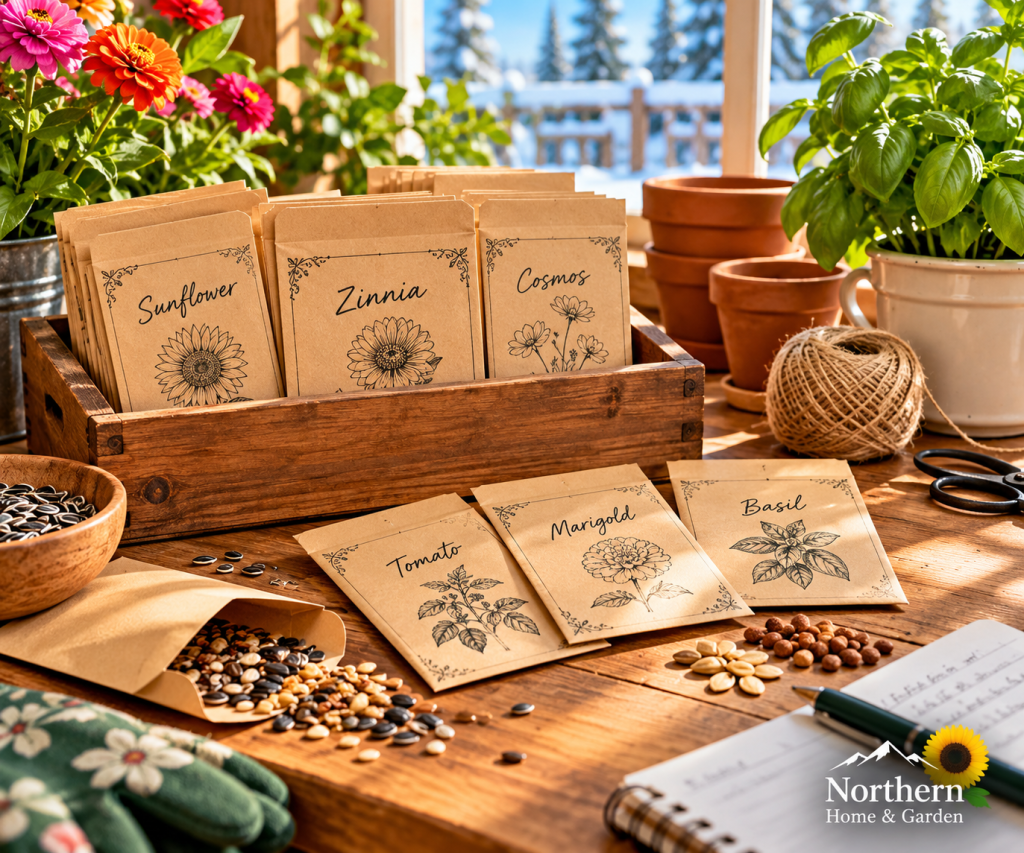
A small, thoughtful gift for the gardener who saves seeds from favorite plants. Labeled envelopes keep varieties organized and ready for next season, and they fit easily into a stocking.
A well-made tool is the kind of gift a gardener remembers every time they pick it up. These three are ready to go the moment the snow melts.
Felco F-2 Bypass Pruners
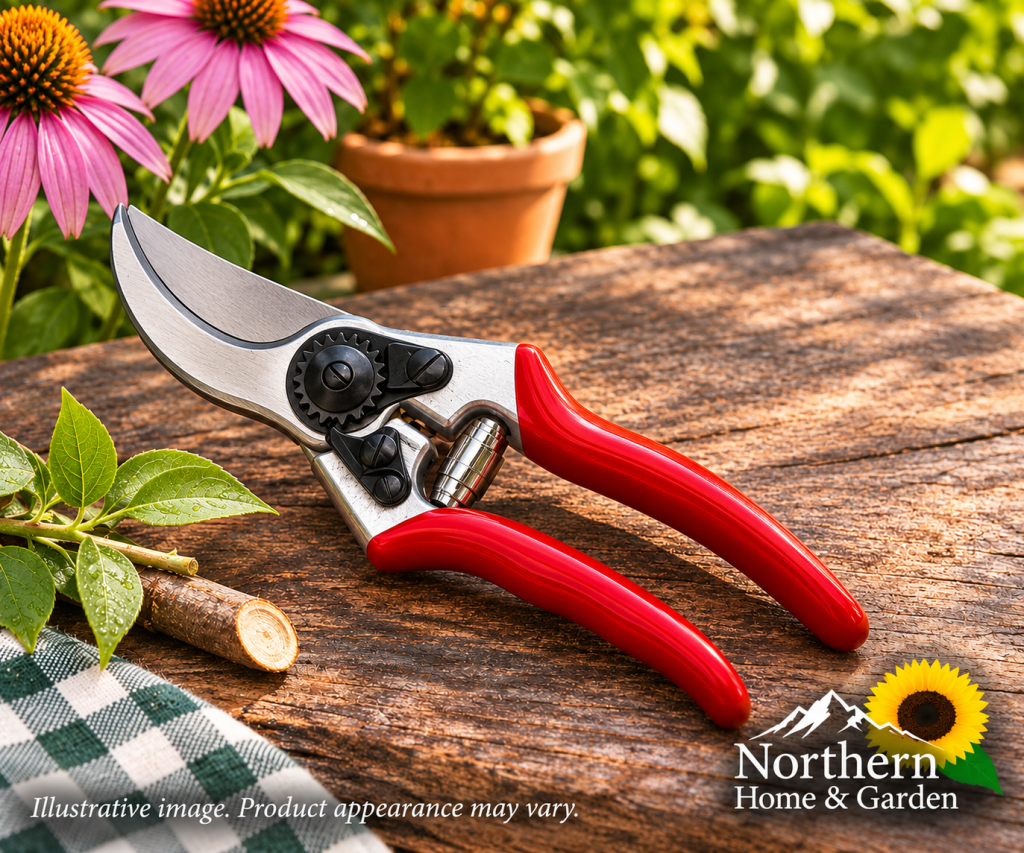
If you want one gift that feels special, this is it. Swiss-made Felco F-2 pruners are a longtime favorite among serious gardeners, and they’re built to be maintained rather than replaced, with blades and springs that can be swapped out as they wear.
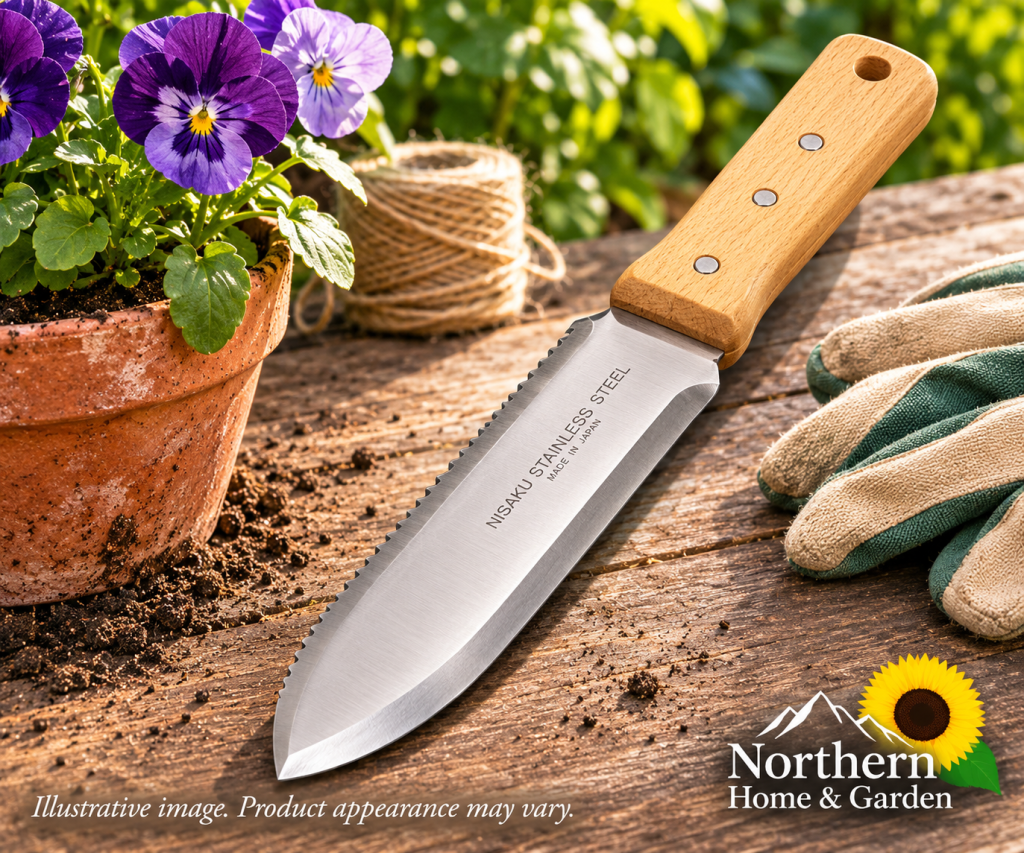
Many gardeners have never owned one, which makes it a fun gift to give. This Japanese-made soil knife has a straight edge on one side and a serrated edge on the other, so it can dig, weed, cut through roots, divide perennials, and plant bulbs. Inch markings on the blade help with planting depth.
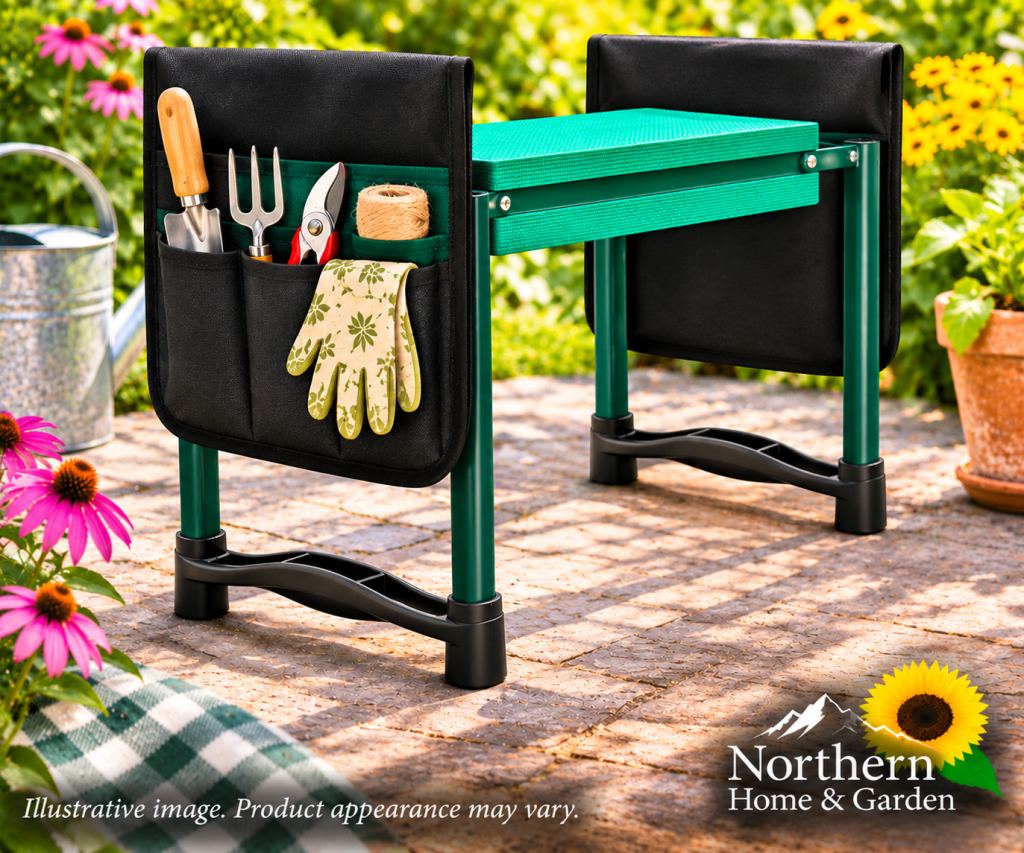
Use it one way to kneel on a padded surface while planting and weeding, then flip it over for a sturdy little seat. Side pouches keep hand tools within reach, and it folds flat for storage over winter. It’s a thoughtful gift for anyone whose knees or back complain after a day in the garden.
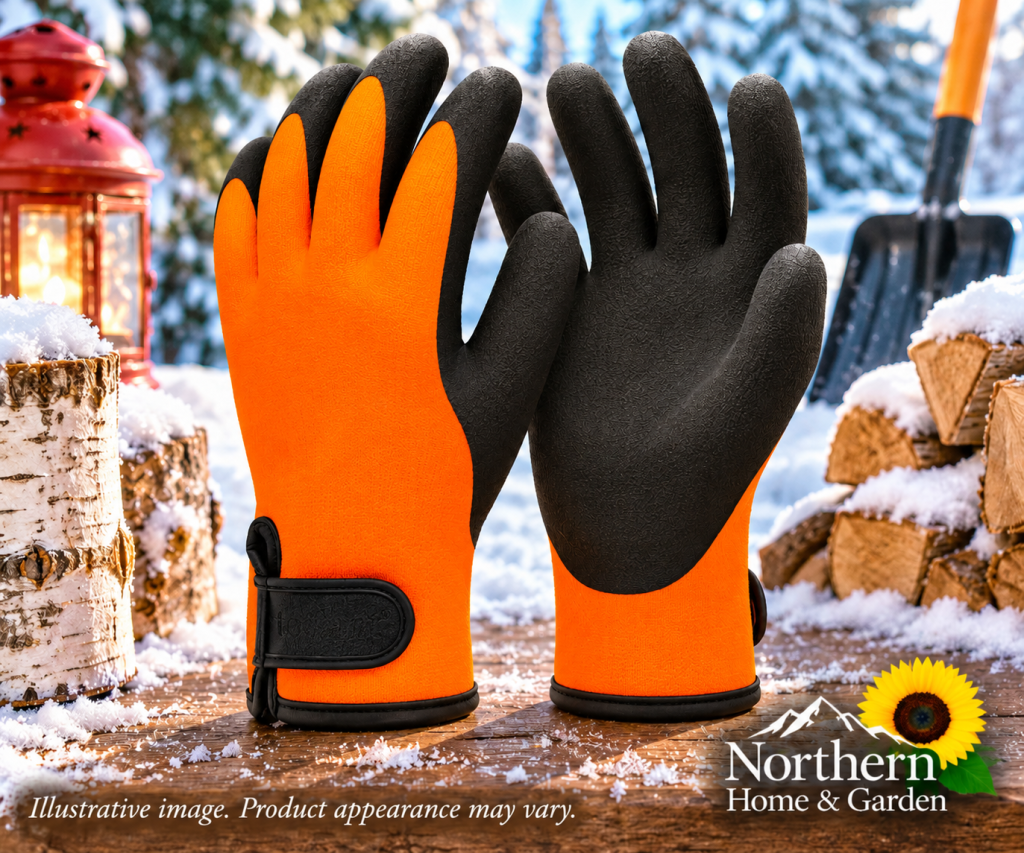
These are the gloves I use myself. They’re insulated and waterproof with a grippy coated palm, so my hands stay warm and dry during chilly spring cleanup and late fall garden chores. They’re handy well beyond the garden, too, for jobs like shoveling snow or hauling firewood.
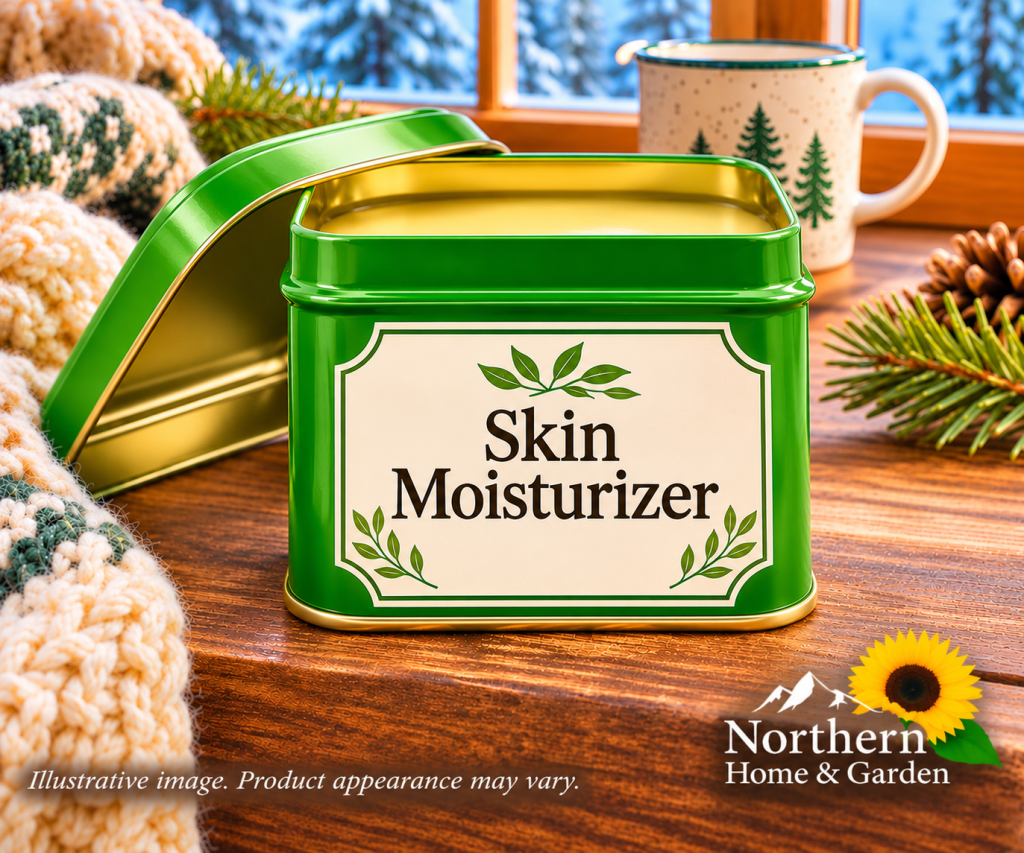
Cold, dry air and garden work are both hard on hands. A tin of moisturizing balm is a small, practical gift that gets used all winter long, and it tucks easily into a stocking.
When the outdoor garden is buried under snow, many northern gardeners turn their attention indoors. These picks are for the friend with a windowsill full of plants and cuttings.
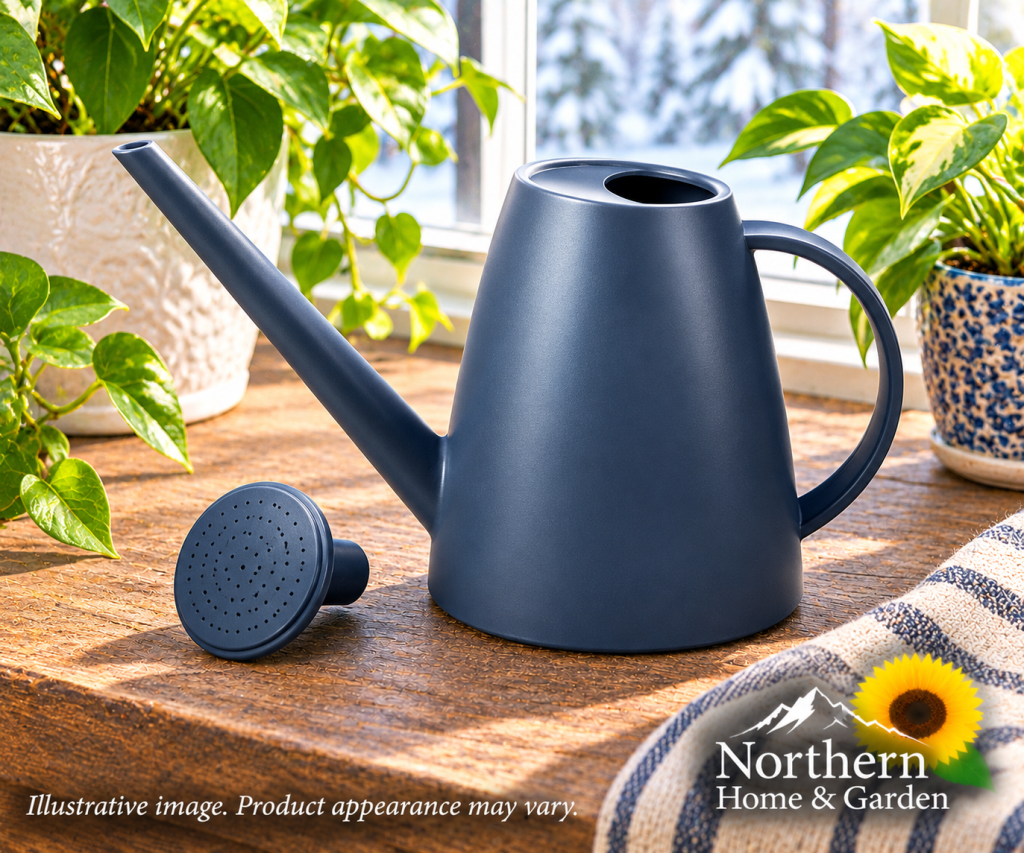
Long-Spout Watering Can
A long, narrow spout makes it easy to water right at the soil line without splashing leaves or knocking over seedlings. The detachable sprinkler head gives a gentle shower for seed trays.
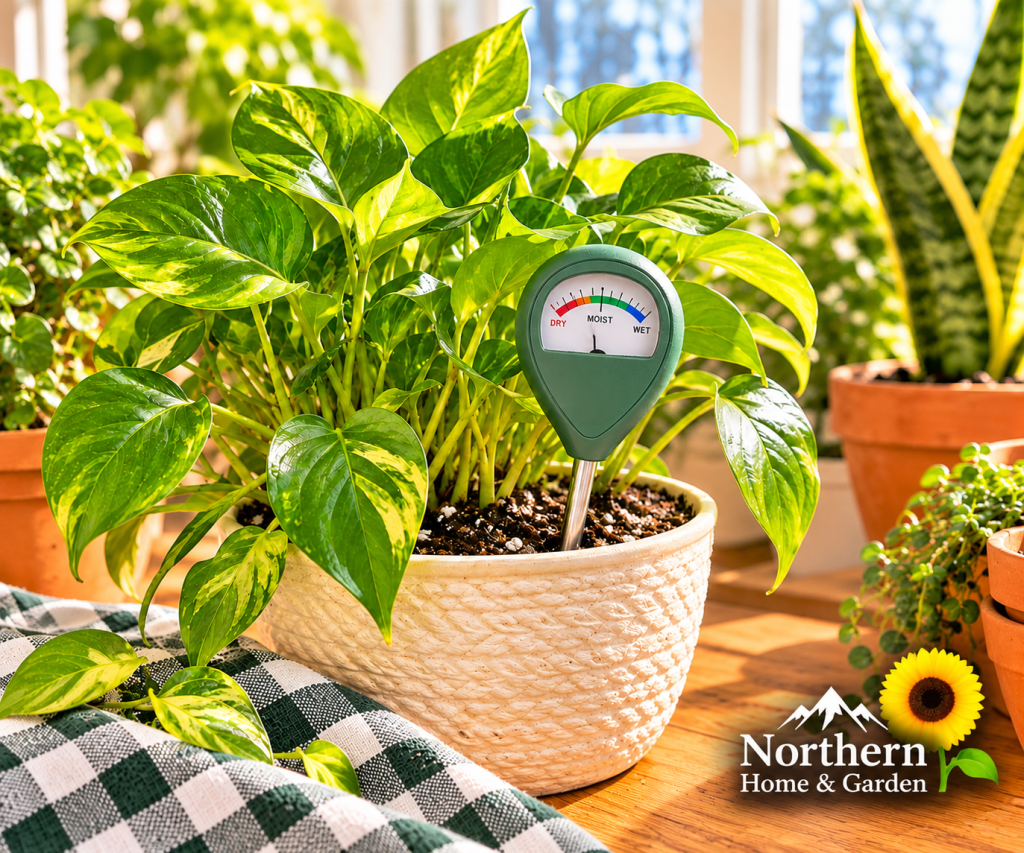
I use a moisture meter for my own houseplants, and it takes a lot of the guesswork out of watering. Just push the probe into the soil and check the dial to see whether it’s time to water. That’s especially helpful in winter, when plants grow slowly and overwatering is easy to do.
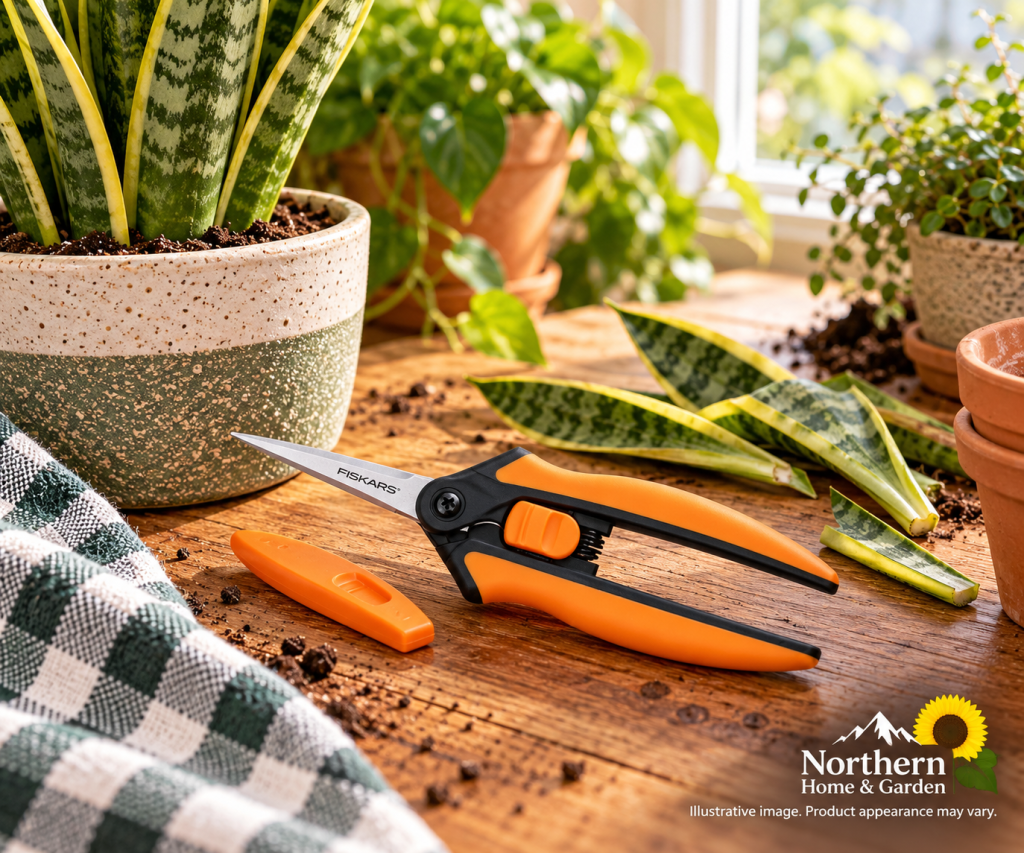
These are my go-to scissors for indoor plants. The small, sharp tips make precise cuts for trimming leaves and taking cuttings, which makes them a great match for anyone who loves propagating houseplants.
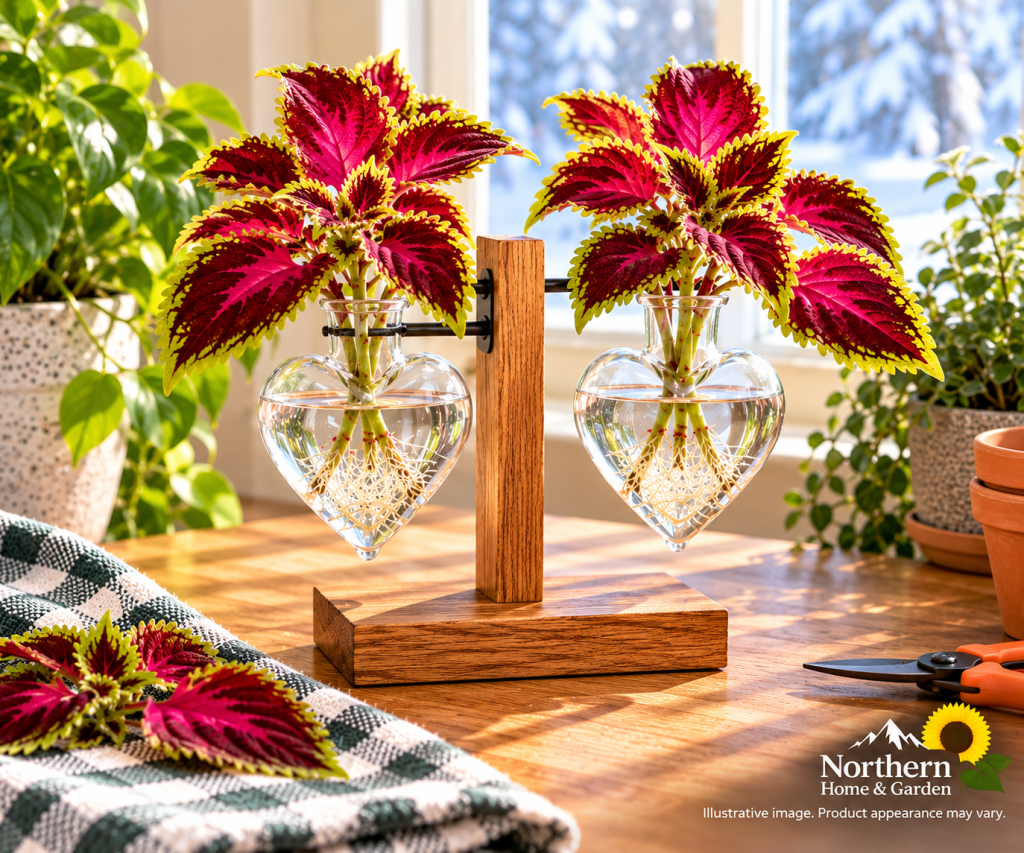
I use mine for rooting cuttings in water, and it’s fun to watch the roots grow through the glass. It’s a pretty gift that doubles as windowsill decor, and it’s a lovely way to share a cutting from your own plants.
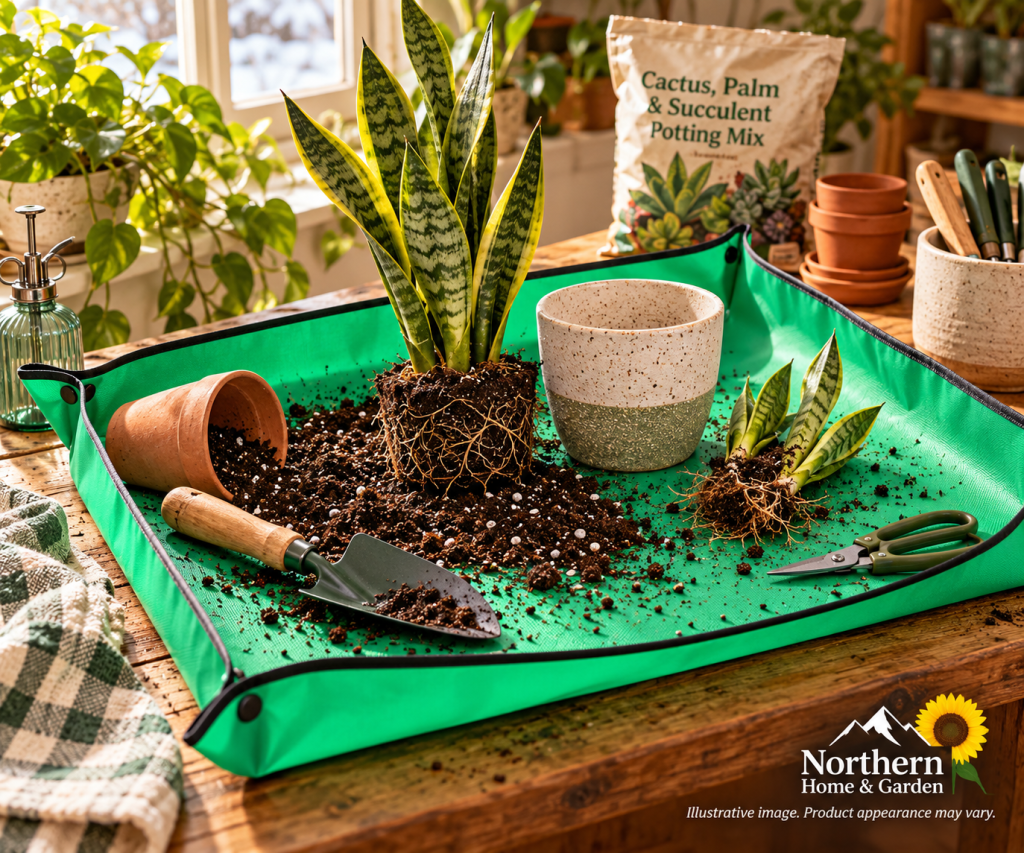
A repotting mat keeps the soil contained when I’m repotting indoors, and it’s easy to clean up afterward. It’s a simple gift that any houseplant lover will put to use.
Not everyone on your list gardens. For the friends and family who would rather hibernate until spring, cozy gifts help the long, dark months feel a little more inviting.
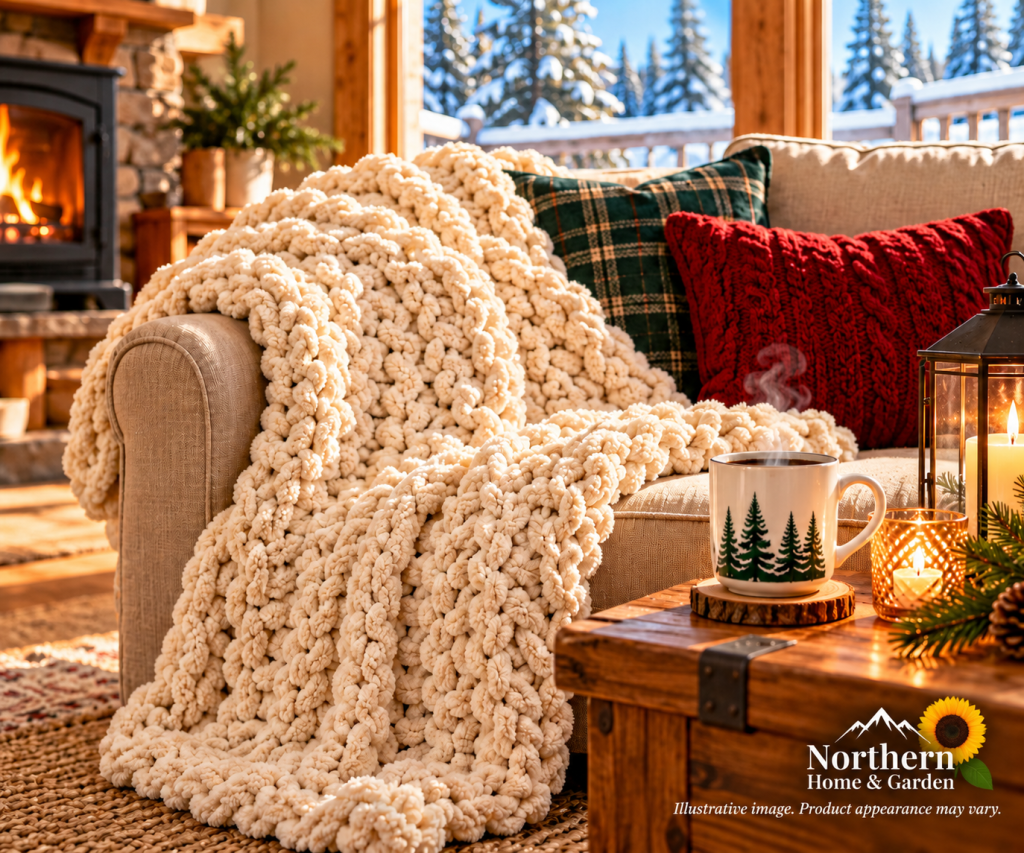
Chunky Knit Throw Blanket
A soft, chunky knit throw adds warmth and texture to the couch, and it’s perfect for curling up on a chilly northern evening.
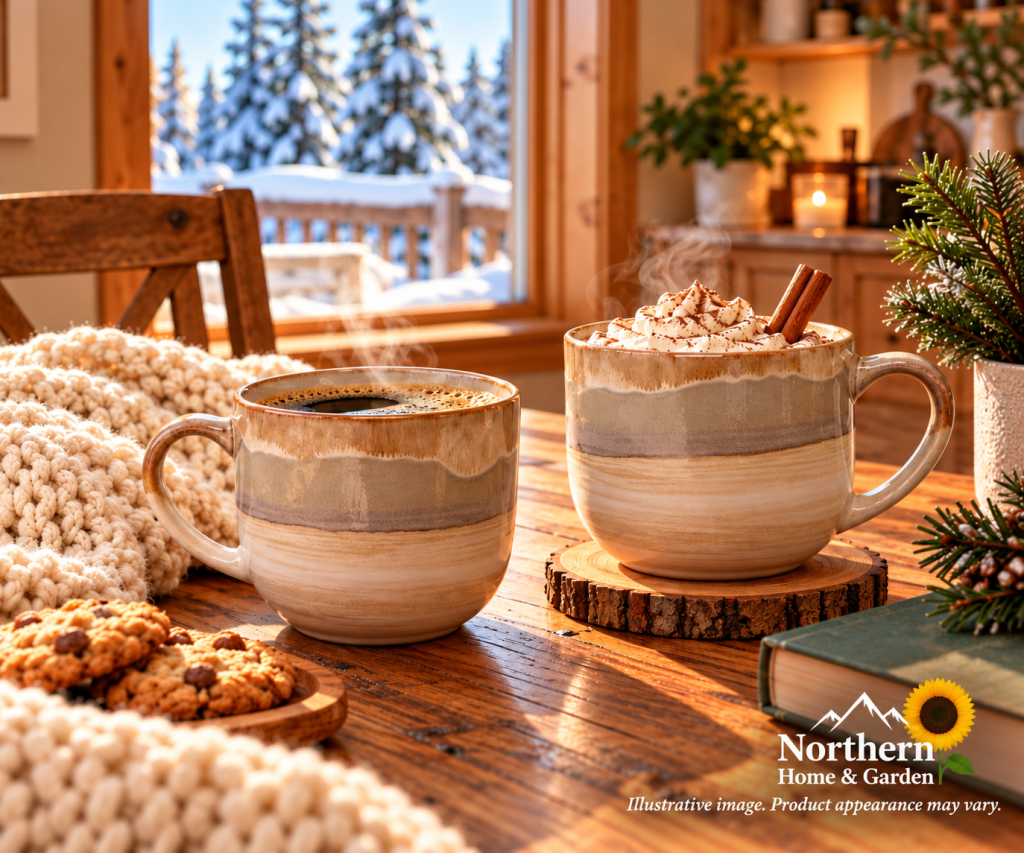
A big mug made for coffee, tea, or hot chocolate turns slow winter mornings into something to look forward to. Pair one with a favorite drink mix for an easy gift.
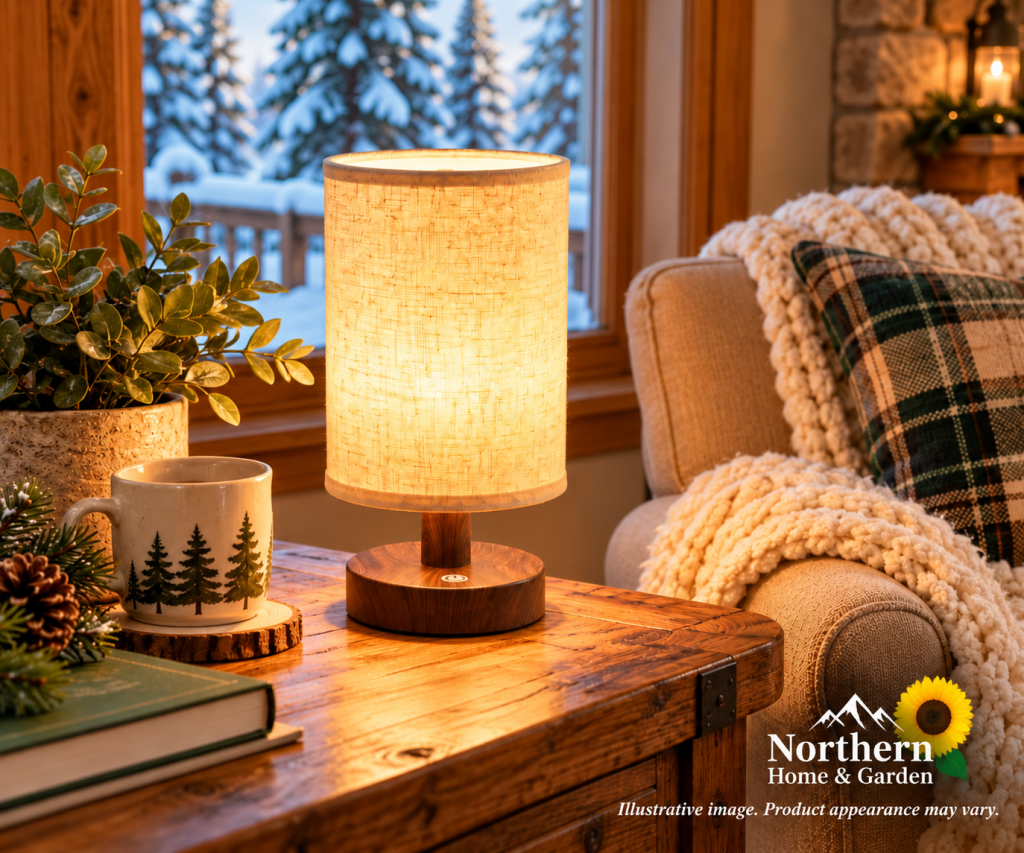
When it’s dark by mid-afternoon, warm lamplight makes a big difference. A cordless lamp can go anywhere it’s needed, from a bookshelf to a dinner table, with no cords to hide.
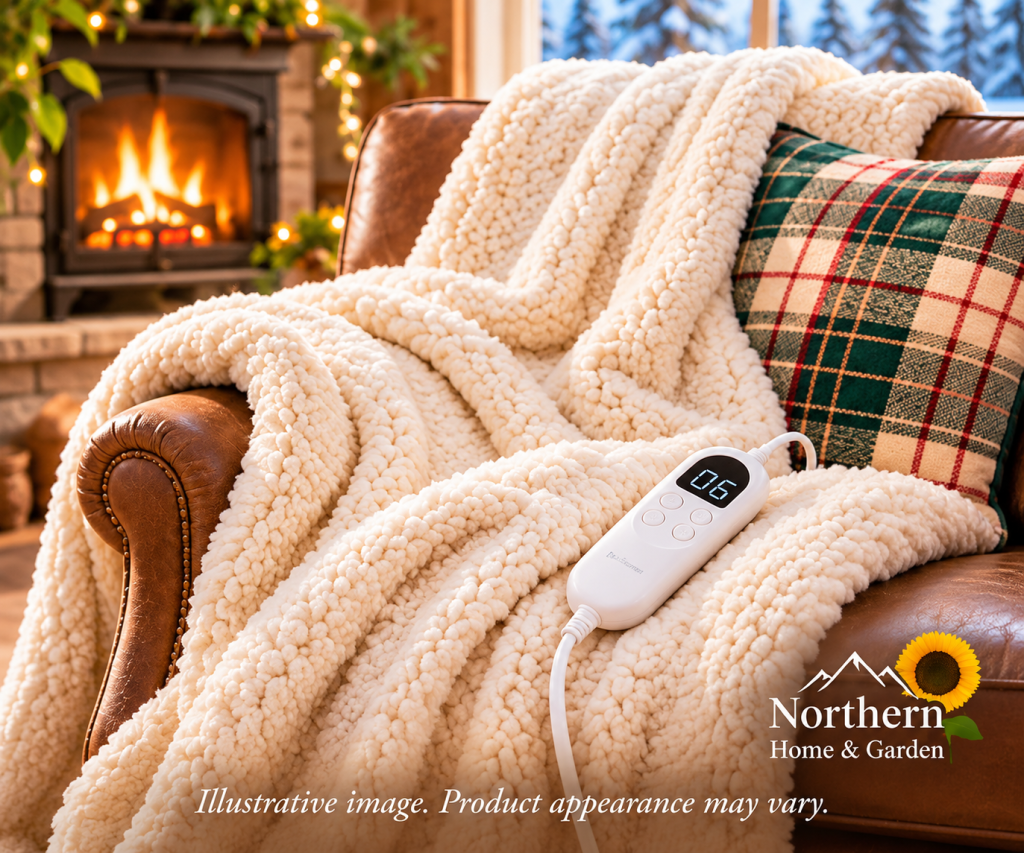
On a forty-below evening, a regular blanket only goes so far. A heated sherpa throw warms up at the push of a button, and this one has adjustable heat settings and an automatic shut-off for peace of mind.
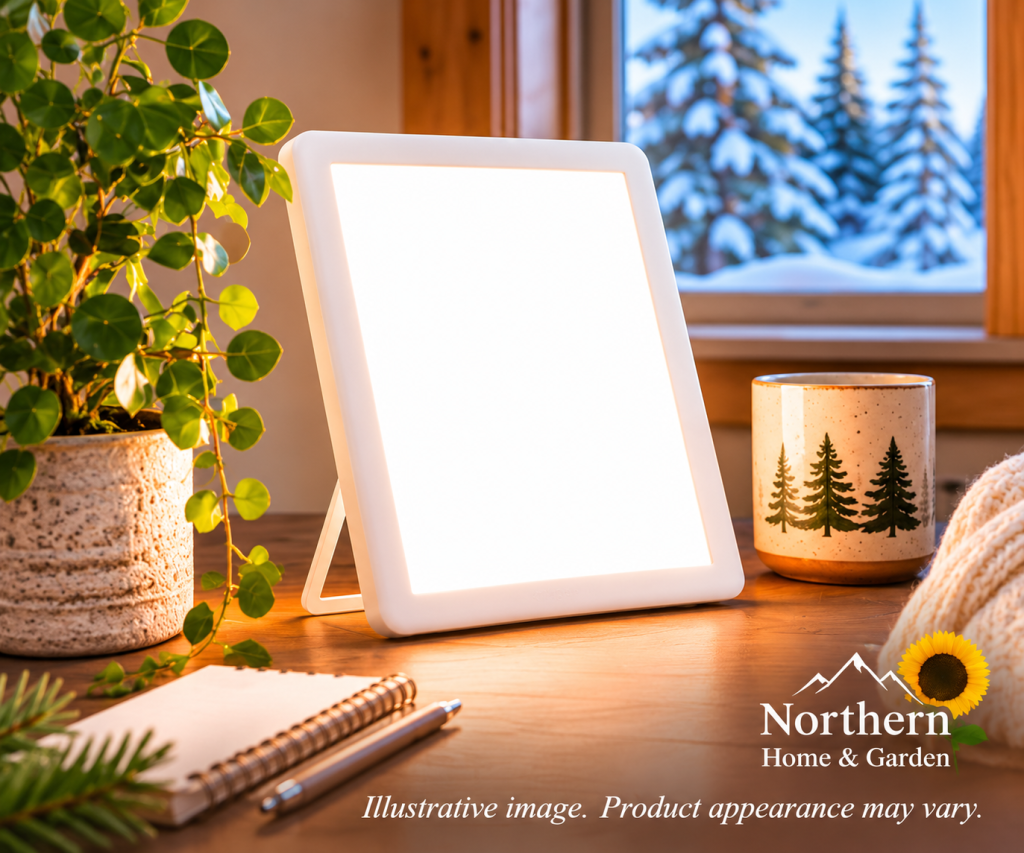
In Fairbanks, the December sun barely clears the hills before it sets again. A light therapy lamp gives off bright, white light that makes a dark morning at the kitchen table feel a little more like daytime. This one is a slim panel with one-button controls and a detachable stand.
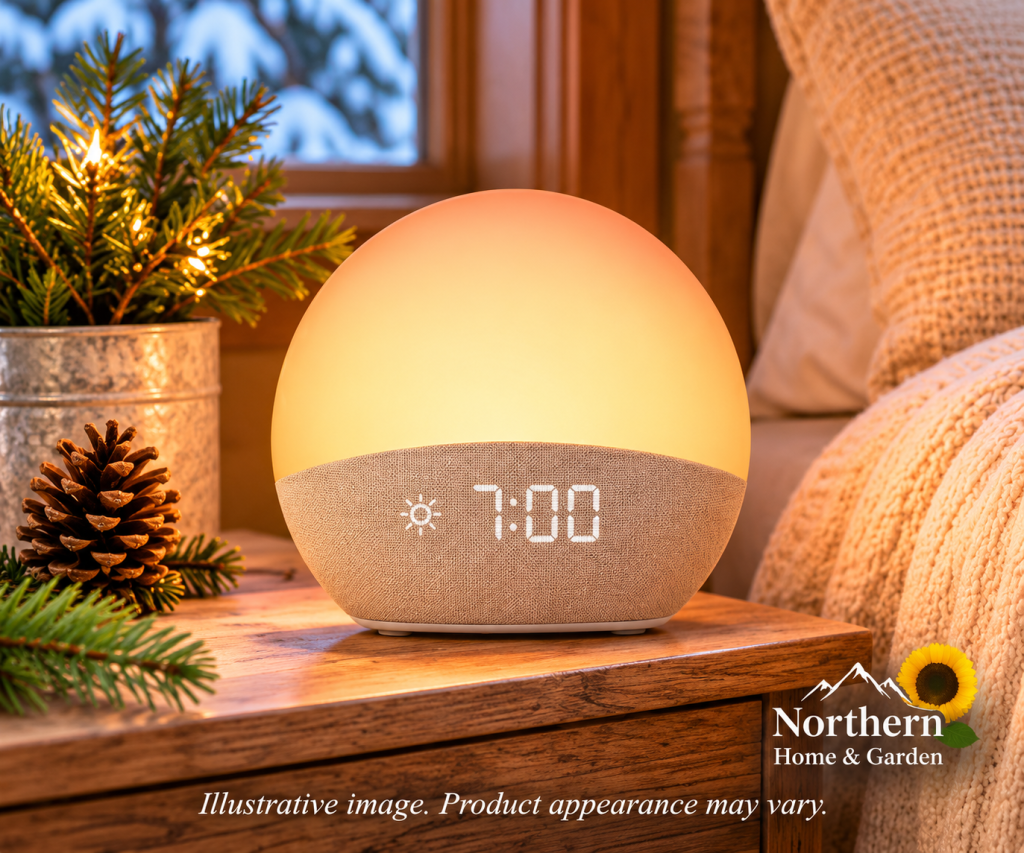
Waking up in the pitch dark is one of the hardest parts of a northern winter. A sunrise alarm clock slowly brightens before the alarm goes off, so the day starts with a soft glow instead of a jolt. This one also plays soothing sounds and comes in several colors.
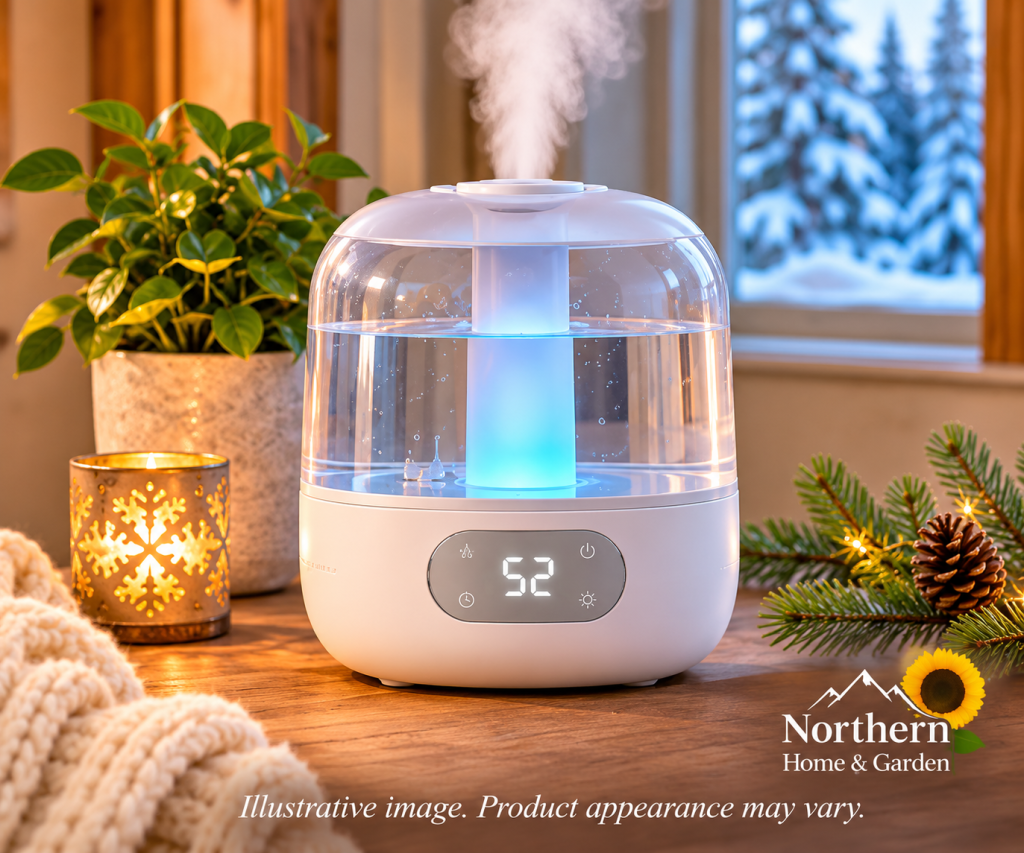
A heated house gets very dry over a long northern winter, and so do the people and houseplants living in it. A small humidifier puts some moisture back into the air, and this one runs quietly and is easy to refill and clean.
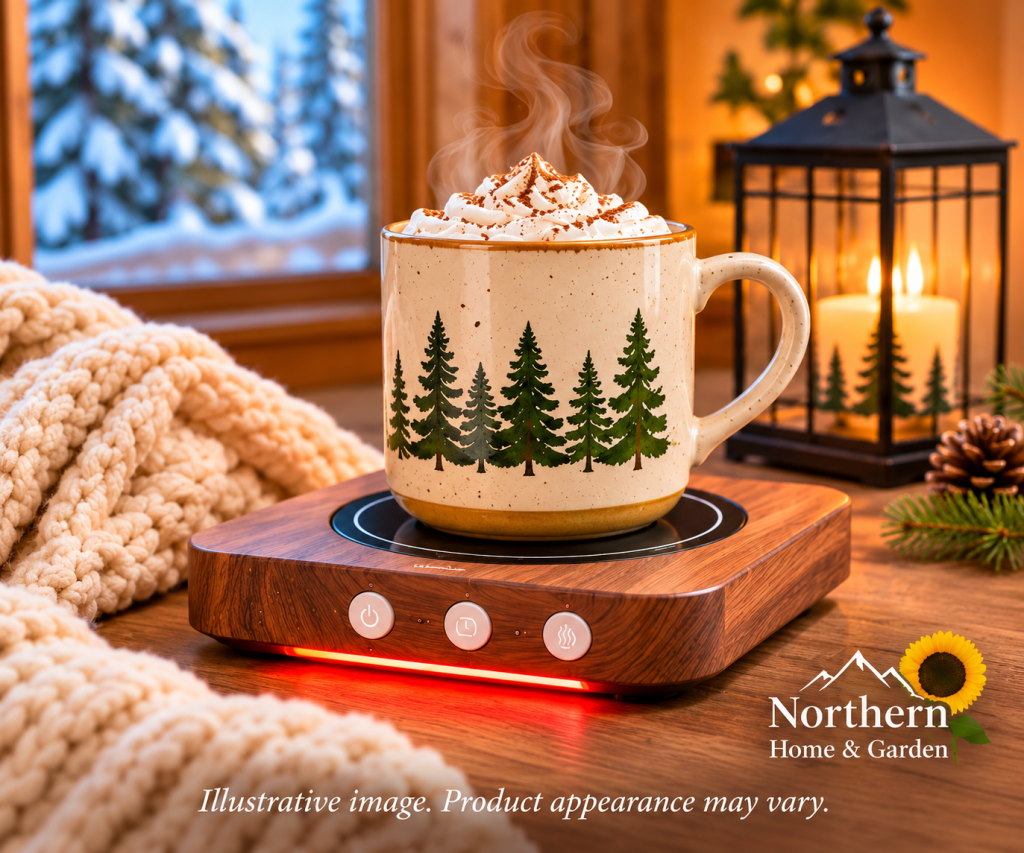
For the person whose coffee is always cold by the time they remember it. Set a mug on top and it stays warm, and a built-in timer shuts it off automatically. Pair it with one of the big mugs above for an easy gift.
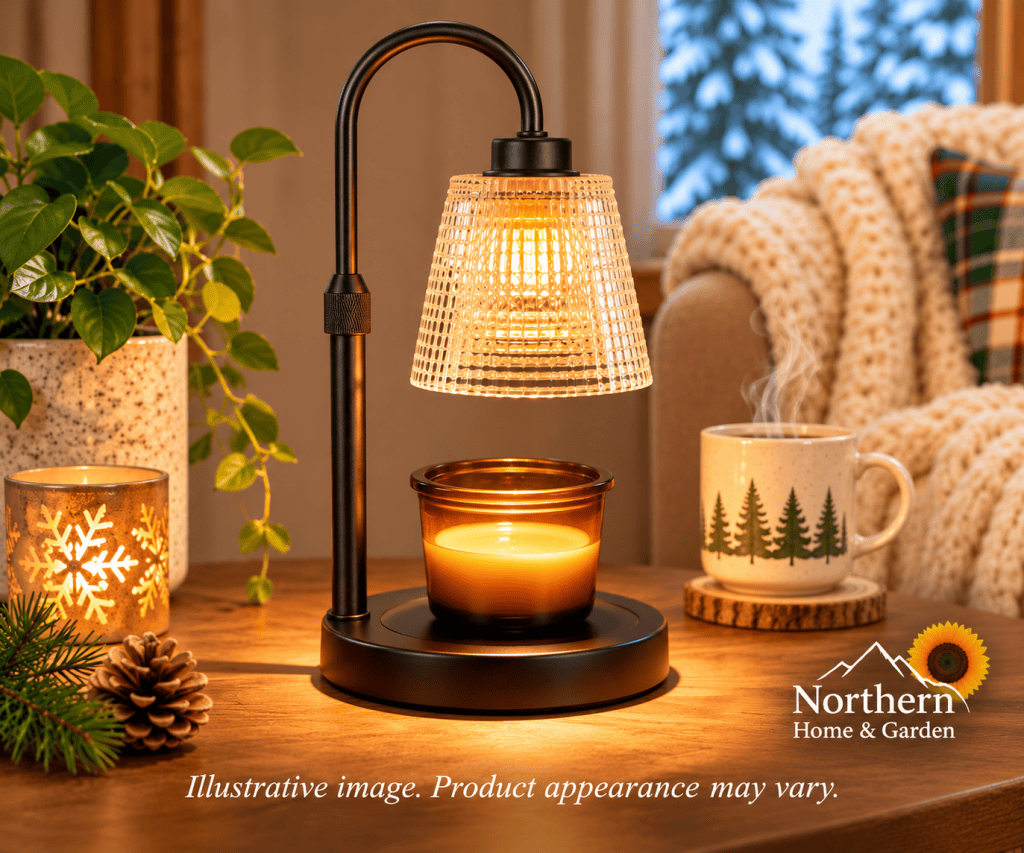
When it’s dark by three o’clock, a little candlelight goes a long way. A candle warmer lamp melts a jar candle from above with a warm bulb, so the room fills with soft light and scent without an open flame. It’s a nice pick for homes with pets, kids, or anyone who tends to forget a candle is burning.
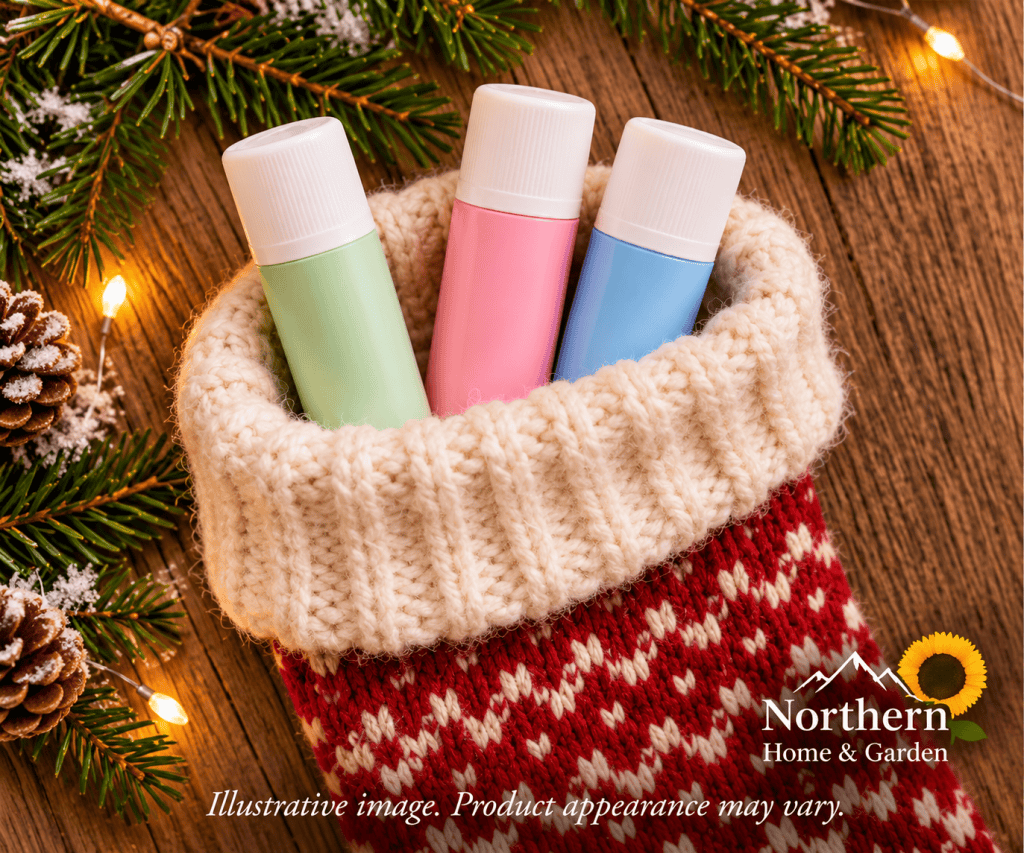
Dry winter air is hard on lips, too. A multi-pack of moisturizing lip balm makes an easy stocking stuffer, with enough to keep one in every coat pocket.
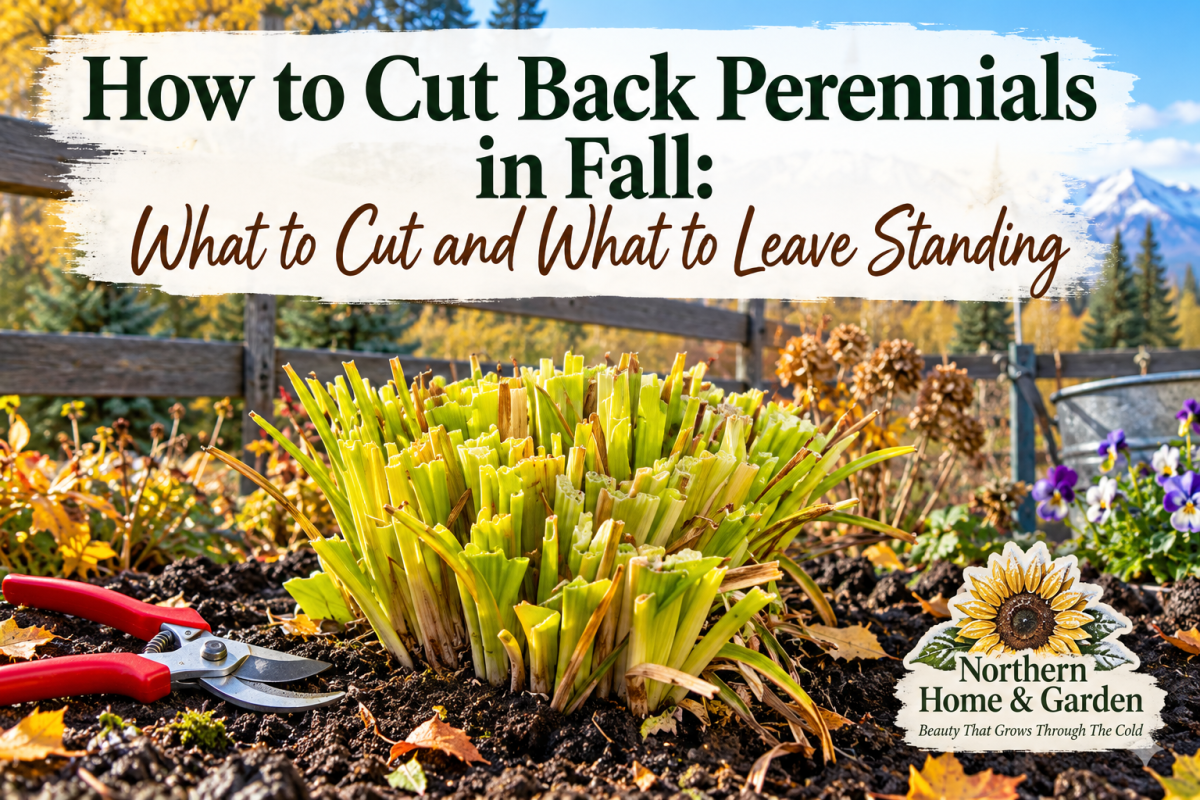
Wondering which perennials to cut back in fall, and which ones are better left standing? Here’s a practical guide to cleaning up daylilies, hostas, peonies, irises, and more while leaving beneficial winter interest behind.
Once the first few hard frosts arrive, my perennial garden starts looking a little less like the garden I enjoyed all summer and a little more like… well, a garden that has officially given up for the year!
Leaves turn yellow, stems flop over, and suddenly I’m standing outside with pruning shears wondering: Do I cut all of this down?
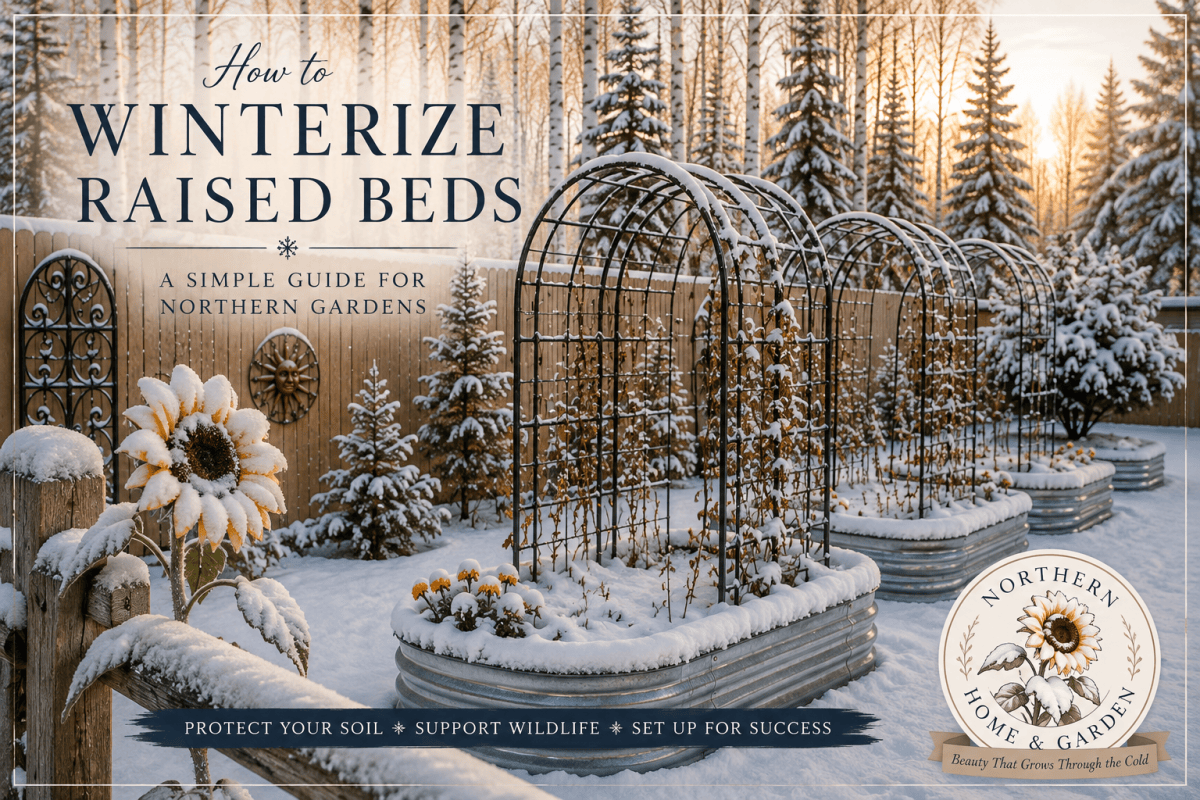
Get your raised garden beds ready for a long northern winter with simple tips for fall cleanup, soil protection, and an easier start next spring.
By the end of a short northern growing season, the garden can look a little tired. Plants are past their prime, weeds have found one last burst of energy, and it’s tempting to simply walk away and let the snow take care of everything.
And technically, the snow will cover everything eventually.
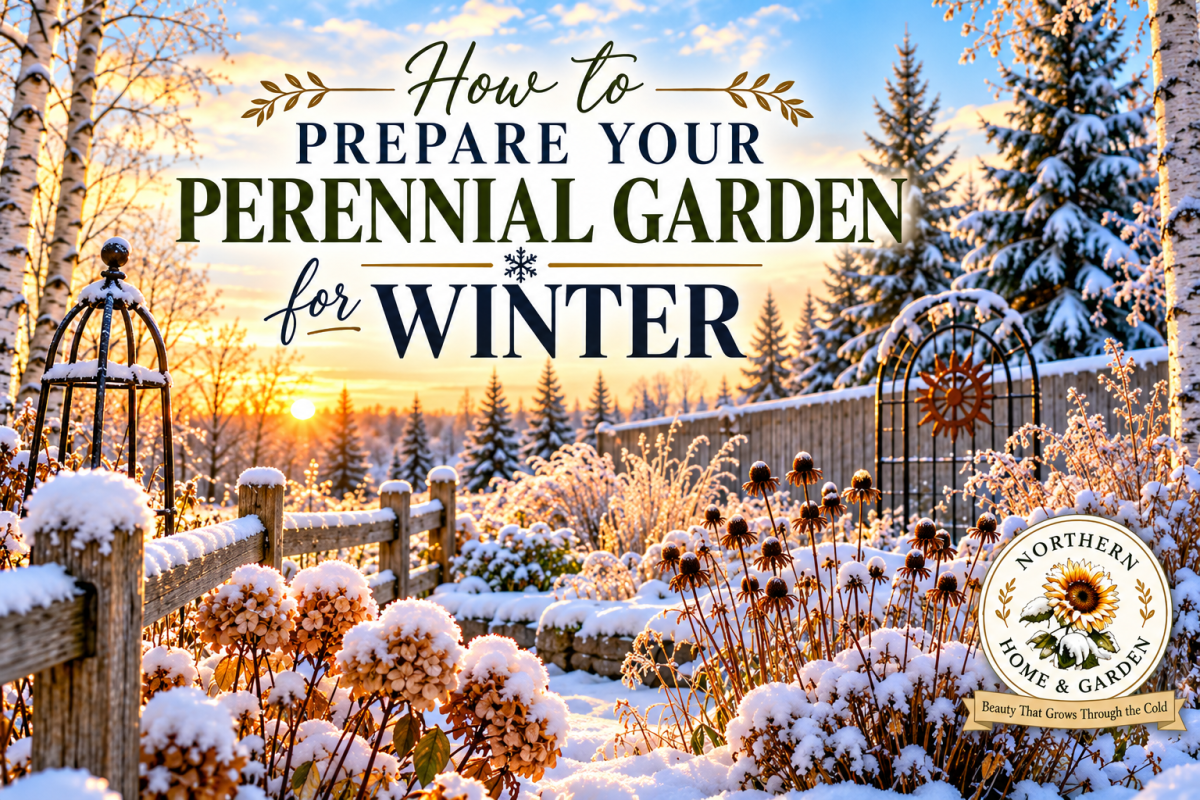
Get your perennial garden ready for a long northern winter with simple tips for fall cleanup, watering, mulching, and protecting your plants until spring.
By late fall, the flowers are gone and leaves are turning brown. Plants that were enormous a few weeks ago are suddenly collapsing onto the ground.
Fortunately, hardy perennials are supposed to do this. They’re shutting down for winter, storing energy in their roots, and preparing to survive months of cold before starting all over again in spring.
Wondering what actually grows in Zone 2? From hardy perennials and cool-season vegetables to berries and annual flowers, this beginner-friendly guide covers what thrives in a cold climate, and how to make the most of a short northern growing season.
If you’ve ever looked at a beautiful garden online and immediately wondered…
Yeah, but will that grow HERE?
Welcome to northern gardening!
Gardening in Zone 2 can feel intimidating at first. Winters are long. Temperatures can get extremely cold. The growing season is short, and frost always seems to arrive just when the garden is finally looking its best.
But you can grow an absolutely beautiful garden in Zone 2.
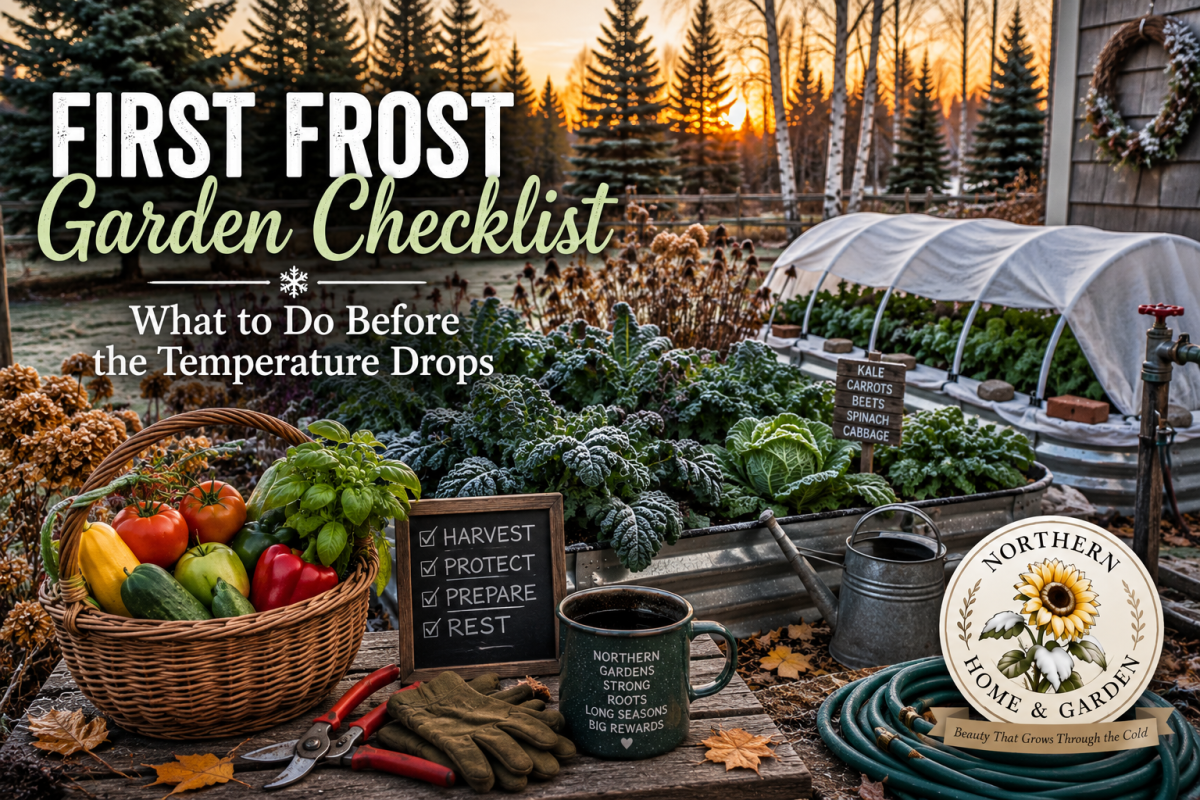
First frost can arrive quickly in a northern garden. This practical checklist covers what to harvest, what to protect, what can handle the cold, and a few simple tasks to tackle before temperatures drop.
There comes a point every northern summer when we all start doing the same thing.
Checking the nighttime forecast. Every. Single. Day. Here in Fairbanks, that can start before August is even over.
Growing raspberries in a cold climate is easier than you might think! Learn how to choose hardy varieties, support and prune your plants, keep your patch healthy, and prepare raspberries for a long northern winter.
Raspberries are one of those plants that make cold-climate gardening a little more rewarding. With the right varieties and a little care, they can survive harsh northern winters and return year after year. And honestly, a handful of sun-warm raspberries in July is pretty much the official taste of a northern summer.
Whether you’re planting your first raspberry bushes or trying to tame an established patch, these simple tips will help you grow healthy, productive raspberries in your northern garden.
Starting seeds indoors can make all the difference in a short growing season. Learn what to start, when to start it, and how to grow strong seedlings ready for the garden.
When your summers are short, starting seeds indoors can make the difference between harvesting ripe tomatoes and staring at a beautiful collection of green ones when the first frost arrives.
But starting everything ridiculously early isn’t the answer either!
Discover 15 beautiful cold-hardy perennials that can thrive in Zone 2 gardens, with growing tips for creating a colorful northern garden that returns year after year.
Gardening in Zone 2 requires a little stubbornness.
Our winters are long, the growing season is short, and plenty of plants labeled “cold hardy” elsewhere simply aren’t hardy enough here. But that doesn’t mean a cold-climate garden has to be boring.
With the right plants and varieties, you can grow a perennial garden filled with color, texture and flowers that return after a seriously cold winter.