Gardening in Zone 2 requires a little stubbornness.
Our winters are long, the growing season is short, and plenty of plants labeled “cold hardy” elsewhere simply aren’t hardy enough here. But that doesn’t mean a cold-climate garden has to be boring.
With the right plants—and the right varieties—you can grow a perennial garden filled with color, texture and flowers that return after a seriously cold winter.
Affiliate Disclosure: This post contains affiliate links. As an Amazon Associate, Northern Home & Garden earns from qualifying purchases at no additional cost to you.
The Quick List
If you just want the names, start here:
- Peony,
- Siberian iris
- Delphinium
- Columbine
- Lupine
- Yarrow
- Bleeding heart
- Daylily
- Asiatic lily
- Creeping phlox
- Stonecrop
- Hosta
- Hardy geranium
- Lady’s mantle
- Iceland poppy
Important: Hardiness can vary by species and cultivar. When you’re gardening in Zone 2, always check the tag or nursery description for the specific plant you’re buying rather than relying on the common name alone.
1. Peony
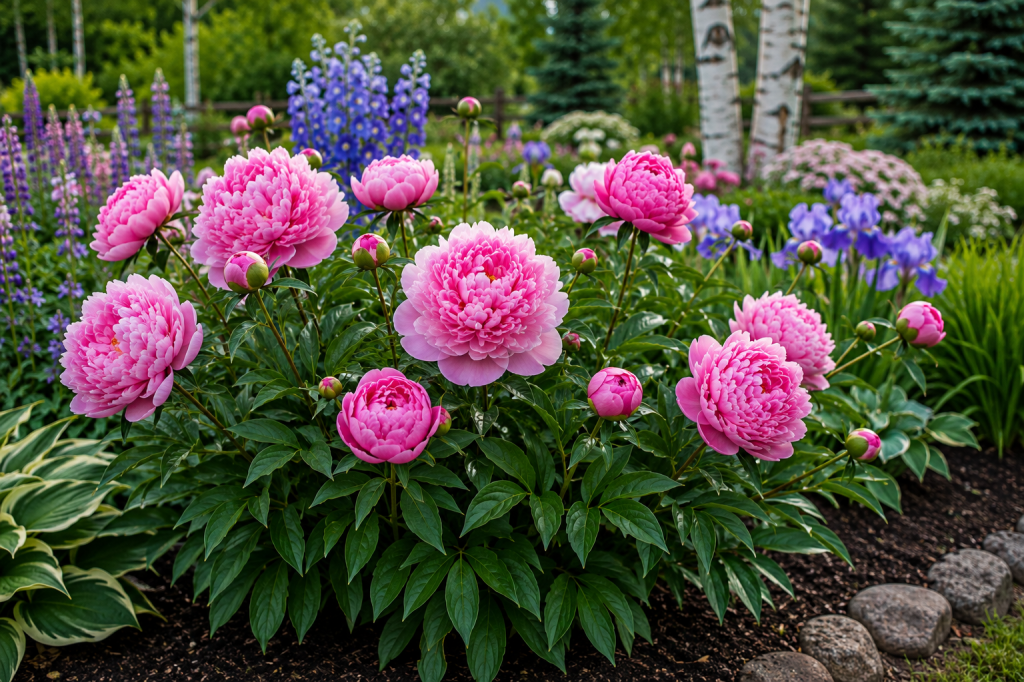
Sun: Full sun
Bloom: Early to midsummer
Height: About 2–4 feet
Peonies almost seem made for cold-climate gardens. Once established, herbaceous peonies are remarkably long-lived, and their huge flowers make them one of the showiest perennials you can grow.
They may take a little time to settle in, but a happy peony can remain in the same spot for decades.
❄️ Northern Tip:
Don’t plant peony eyes too deeply. Peonies planted too deep may produce beautiful foliage but few—or no—flowers.
2. Siberian Iris
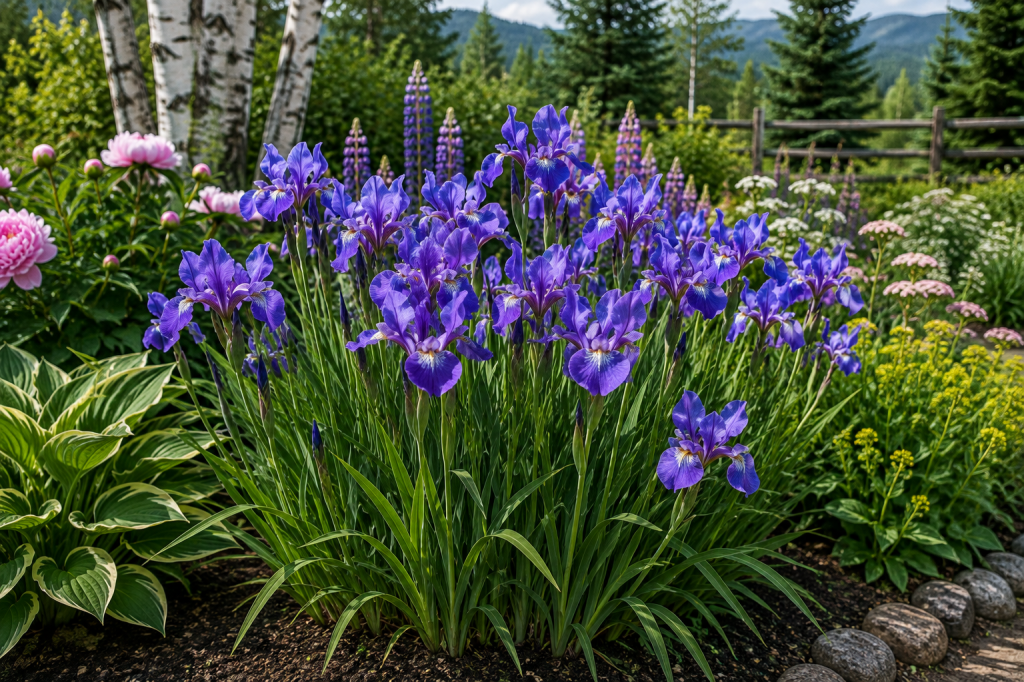
Sun: Full sun to part shade
Bloom: Early to midsummer
Height: About 2–4 feet
Siberian iris is one of those plants that looks delicate but is surprisingly tough. Its narrow, grass-like foliage forms tidy clumps, and the flowers bring beautiful color to the early-summer garden.
Once established, Siberian iris can form larger clumps year after year and may eventually benefit from being divided.
❄️ Northern Tip:
Give Siberian iris consistent moisture while it’s getting established. It appreciates moisture but still does best in soil that doesn’t stay soggy all the time.
3. Delphinium
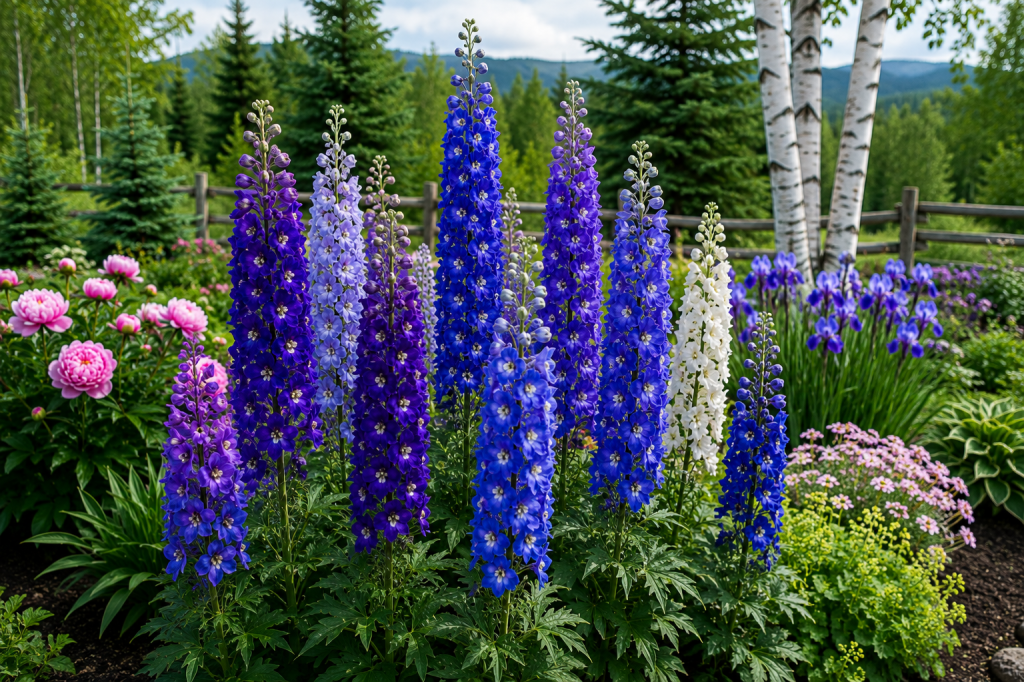
Sun: Full sun
Bloom: Midsummer
Height: About 3–6 feet
Delphiniums bring tall spikes of blue, purple, pink or white flowers to the garden and are perfect for adding height to the back of a perennial border.
Cold isn’t usually the biggest challenge with delphiniums—wind can be. Their tall flower stalks can become top-heavy once they’re in full bloom.
❄️ Northern Tip:
Plant delphiniums where they’re protected from strong wind, or use plant support stakes before the flower stalks get tall enough to flop.
4. Columbine
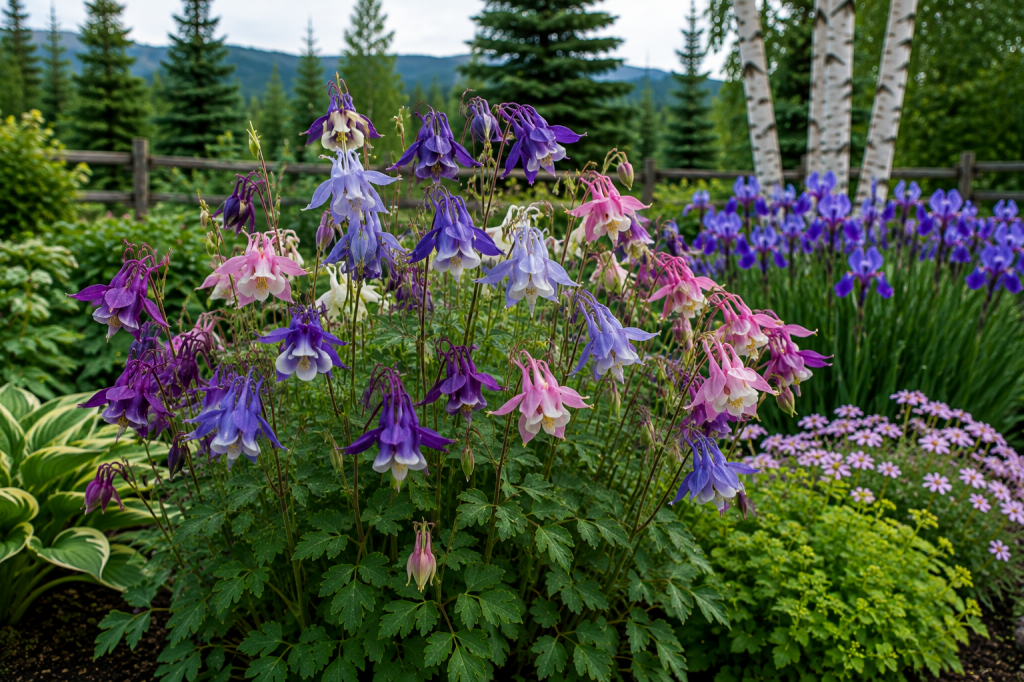
Sun: Full sun to part shade
Bloom: Late spring to early summer
Height: About 1–3 feet
Columbine is a wonderful choice for adding delicate-looking flowers to a cold-climate garden. The nodding blooms come in many colors, and the airy foliage looks beautiful tucked between larger perennials.
Despite its delicate appearance, many columbines are extremely cold hardy. They may also self-seed, so you can sometimes find new plants popping up around the garden.
❄️ Northern Tip:
If you enjoy a slightly informal cottage-garden look, allow some flowers to go to seed. Columbine can gently spread around the garden without becoming difficult to manage.
5. Lupine
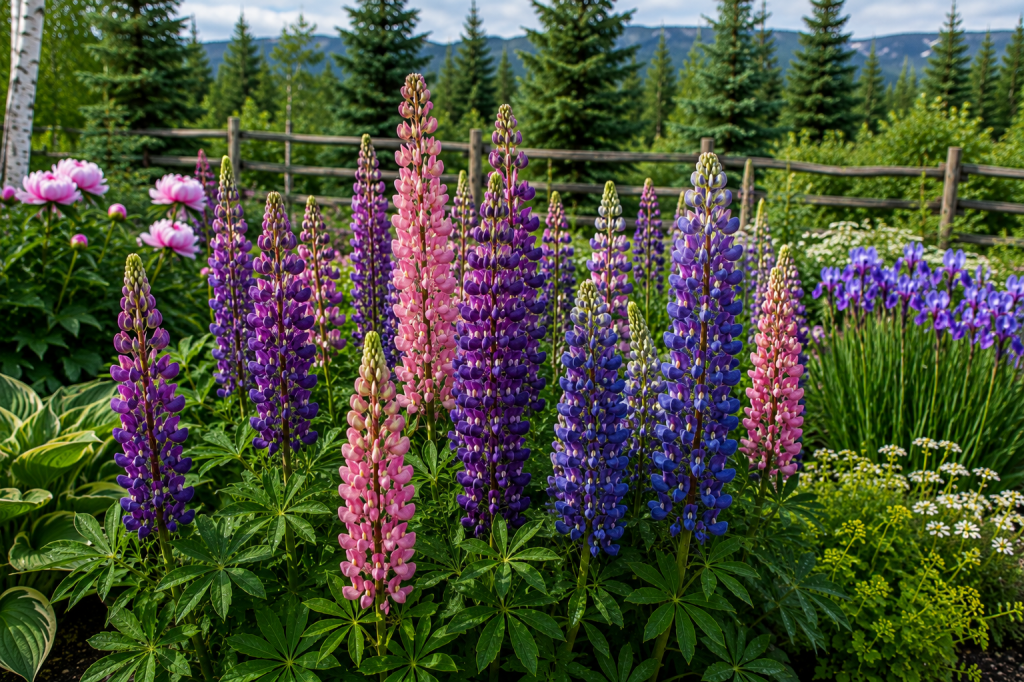
Sun: Full sun
Bloom: Early to midsummer
Height: About 1–4 feet
Lupines bring tall spikes of color and a wonderful cottage-garden feel.
They’re available in blues, purples, pinks, whites and bicolors, and some cold-hardy types perform beautifully in northern gardens.
Because hardiness varies, this is another plant where choosing the right species or cultivar matters.
❄️ Northern Tip:
Lupines prefer good drainage and generally don’t appreciate having their roots disturbed once established.
6. Yarrow
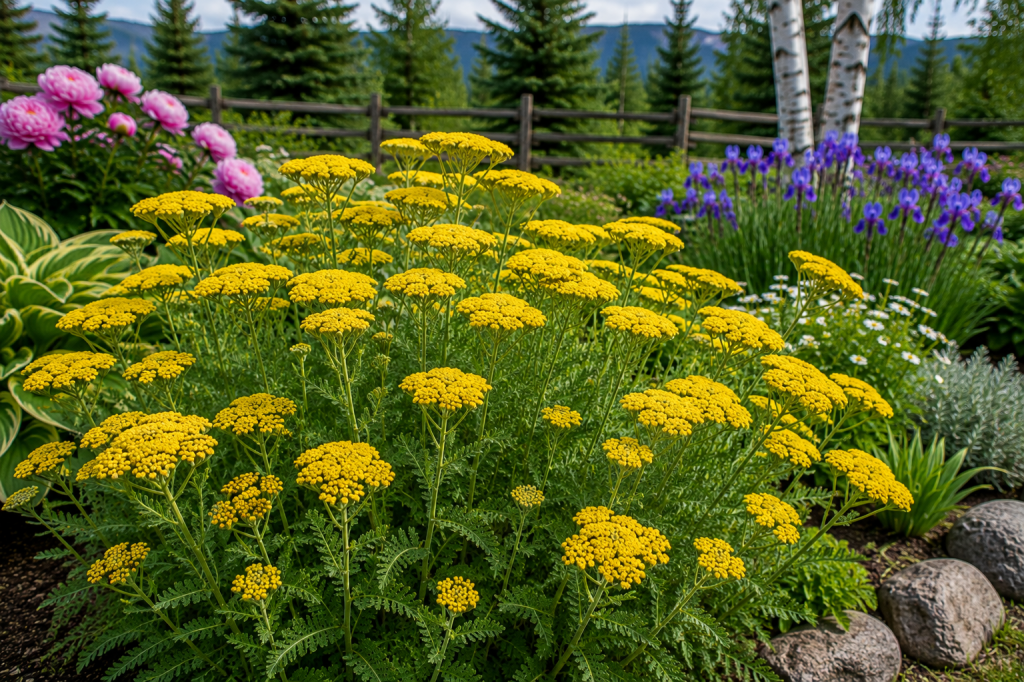
Sun: Full sun
Bloom: Midsummer into fall
Height: About 1–3 feet
Yarrow is tough, drought tolerant and wonderfully low maintenance once established.
Its flat flower clusters come in shades of white, yellow, pink, red and orange, and pollinators love them.
❄️ Northern Tip:
Yarrow actually performs better in leaner soil. Too much fertilizer can make the stems floppy.
7. Bleeding Heart
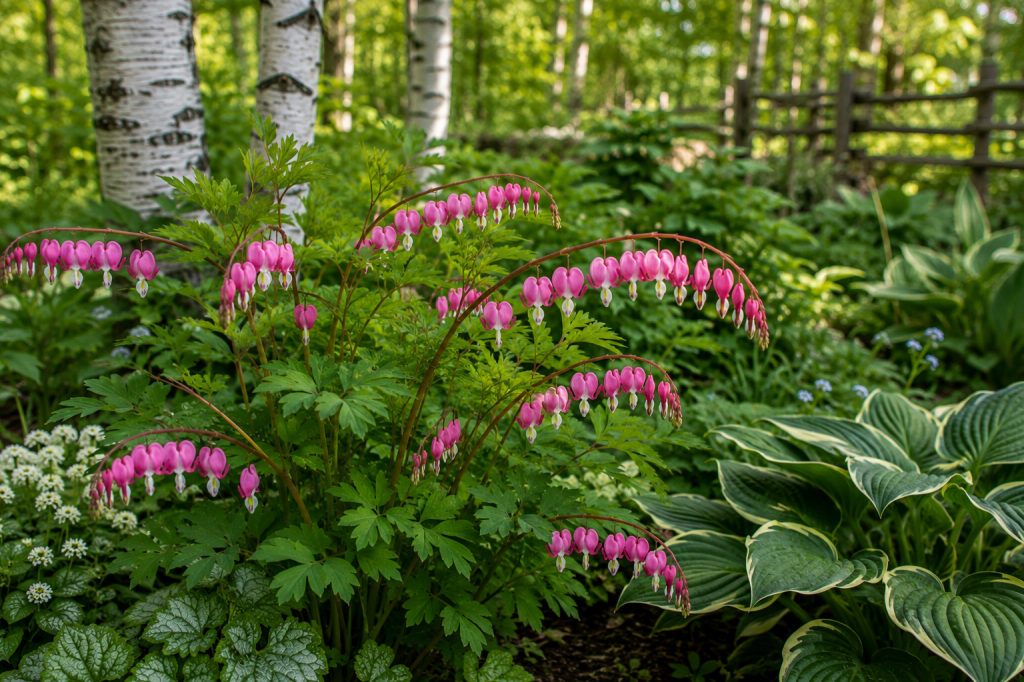
Sun: Part shade
Bloom: Late spring to early summer
Height: About 2–3 feet
Bleeding heart is a classic shade-garden perennial with arching stems covered in heart-shaped pink or white flowers.
It loves the cool conditions found in northern gardens and looks beautiful planted beneath trees or alongside hostas and other shade-loving plants.
❄️ Northern Tip:
Don’t panic if your bleeding heart disappears later in summer. The foliage often dies back naturally after flowering, especially during warm or dry weather.
8. Daylily
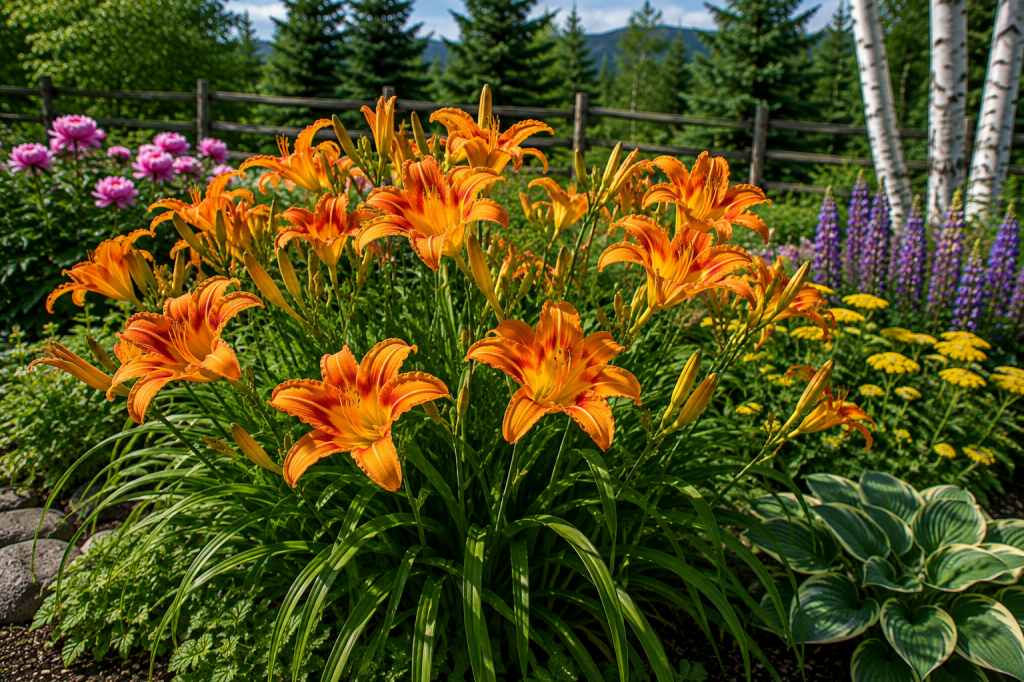
Sun: Full sun to part shade
Bloom: Midsummer
Height: About 1–3 feet
Daylilies are dependable, adaptable and incredibly easy to grow.
Each individual flower lasts only a day, but established plants produce many buds, creating weeks of color.
❄️ Northern Tip:
Not every daylily is equally hardy. Look for dormant varieties rated for Zone 2 or colder rather than assuming any daylily will survive an extreme northern winter.
9. Asiatic Lily
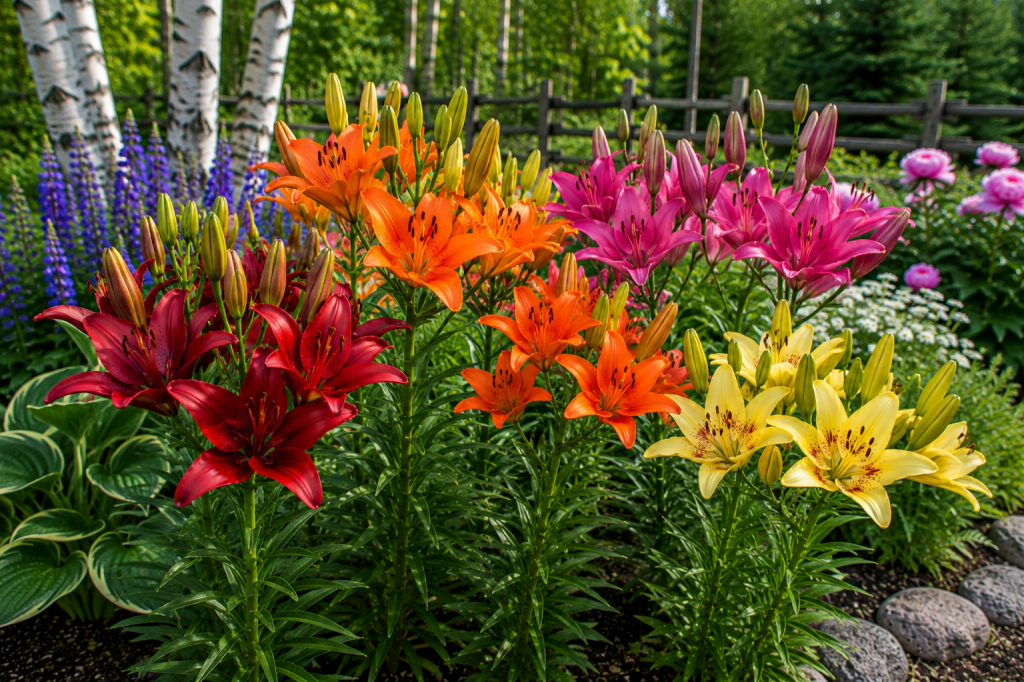
Sun: Full sun to part shade
Bloom: Early to midsummer
Height: About 2–4 feet
Asiatic lilies are among the hardiest true lilies and can produce spectacular flowers even after extremely cold winters.
They come in an enormous range of colors and usually bloom earlier than many other types of lilies.
❄️ Northern Tip:
Good drainage is especially important. Lily bulbs don’t like sitting in cold, wet soil, so avoid low spots where water collects in spring.
10. Creeping Phlox
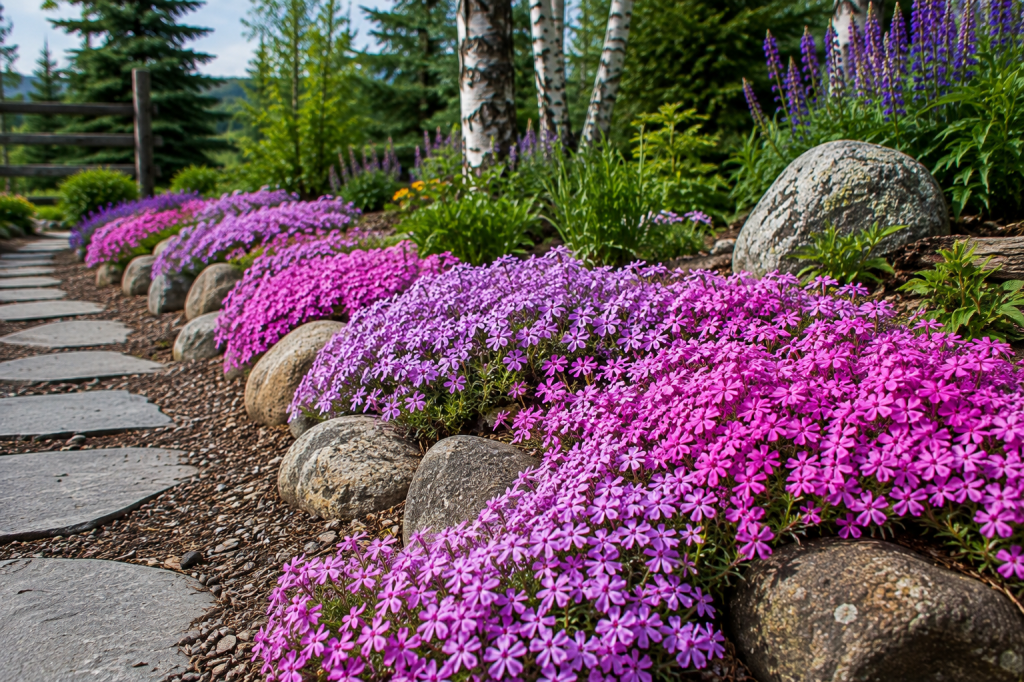
Sun: Full sun
Bloom: Late spring to early summer
Height: About 4–6 inches
Creeping phlox creates a low carpet of flowers and is wonderful along pathways, rock gardens and the front edge of perennial beds.
Once established, it can spread into a colorful mat while staying very low to the ground.
❄️ Northern Tip:
Snow cover can be a huge advantage for low-growing plants like creeping phlox. It acts as insulation and helps protect the plant from extreme temperature swings during winter.
11. Stonecrop (Sedum)
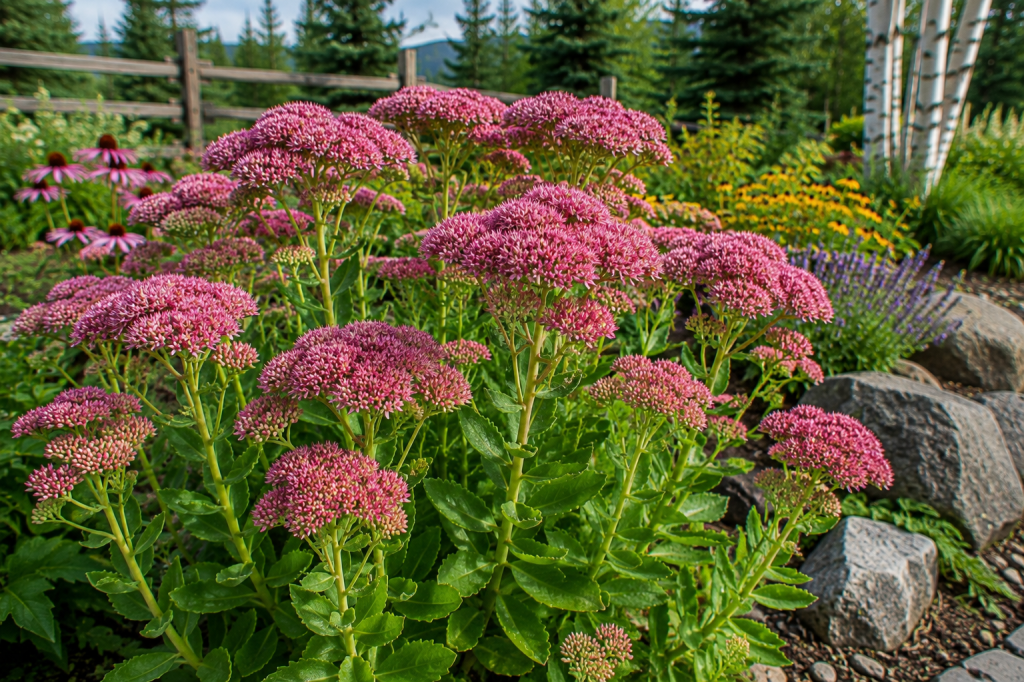
Sun: Full sun
Bloom: Late summer into fall
Height: Varies by type
Hardy stonecrops are excellent plants for sunny, dry areas where fussier perennials struggle.
Low-growing varieties work beautifully in rock gardens, while upright types provide late-season flowers when many other perennials are beginning to fade.
❄️ Northern Tip:
The biggest enemy of hardy sedum is often winter moisture rather than cold. Plant it in a spot with excellent drainage.
12. Hosta
Sun: Part shade to shade
Bloom: Midsummer
Height: About 1–3 feet
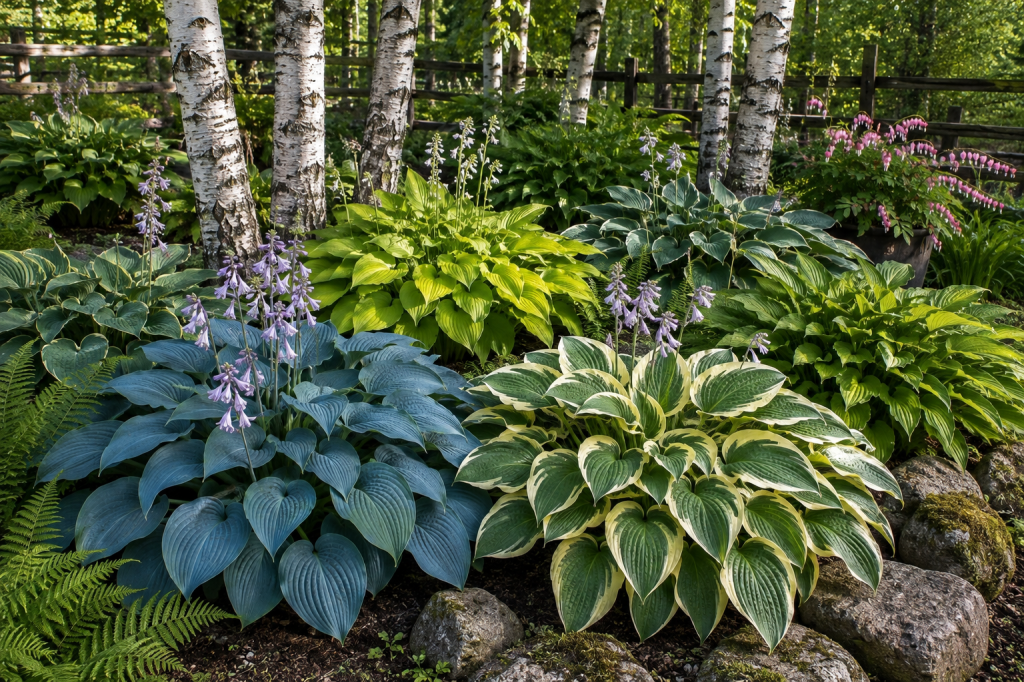
Hostas are grown primarily for their beautiful foliage, which ranges from deep green to blue-green, gold and variegated combinations.
They are excellent for shady areas and pair beautifully with bleeding hearts, ferns and other woodland-style plants.
❄️ Northern Tip:
Choose cultivars specifically rated for Zone 2. A layer of snow provides excellent winter insulation once the plants have gone dormant.
13. Hardy Geranium
Sun: Full sun to part shade
Bloom: Early summer, often reblooming
Height: About 1–2 feet
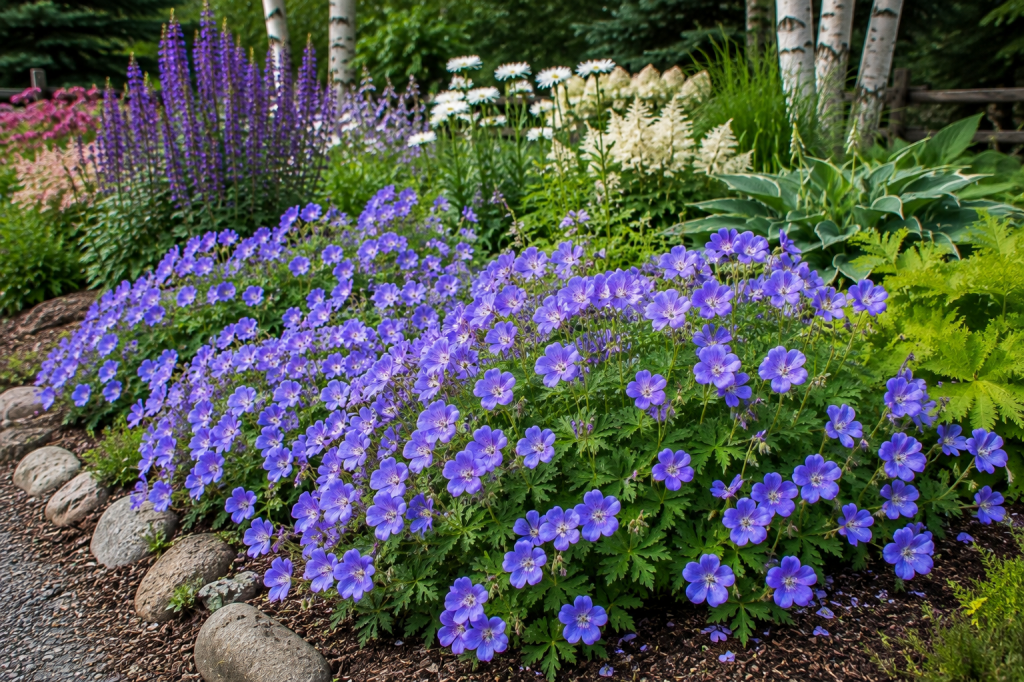
Hardy geraniums form mounds of foliage covered in small pink, purple, blue or white flowers.
They’re very different from the annual geraniums commonly sold in pots and hanging baskets. True hardy geraniums return year after year when you choose a cold-hardy variety.
❄️ Northern Tip:
After the first big flush of flowers, lightly shearing the plant back can encourage fresh foliage and sometimes another round of blooms.
14. Lady’s Mantle
Sun: Full sun to part shade
Bloom: Early to midsummer
Height: About 1–2 feet
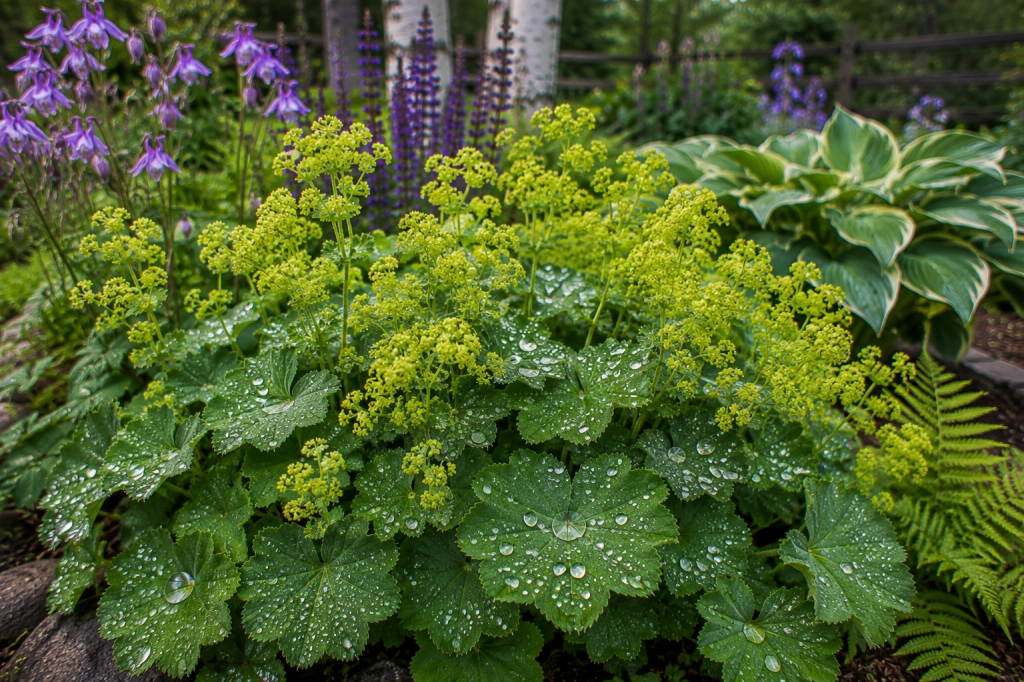
Lady’s mantle is grown as much for its foliage as its flowers.
Its soft, scalloped leaves catch droplets of rain and morning dew, while clouds of tiny chartreuse flowers make a beautiful filler around larger perennials.
❄️ Northern Tip:
Cut back spent flowers if you want to prevent self-seeding. If you don’t mind a few volunteers, let some remain and allow the plant to spread naturally.
15. Iceland Poppy
Sun: Full sun
Bloom: Late spring to midsummer
Height: About 1–2 feet
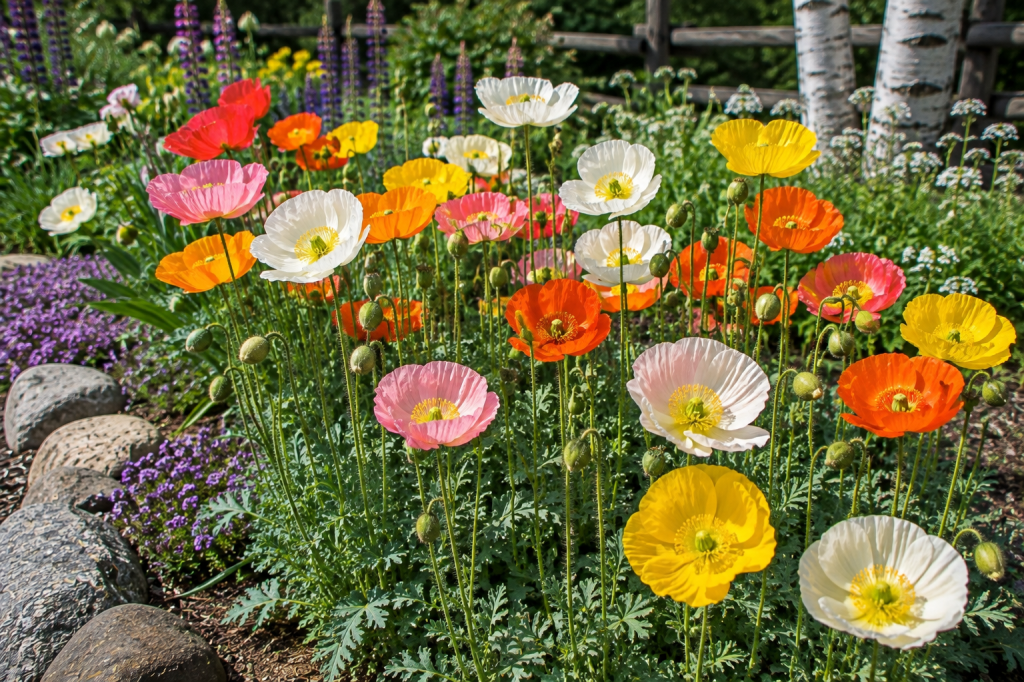
Iceland poppies bring cheerful, papery blooms to the garden in shades of yellow, orange, white, pink and red.
They thrive in cool conditions and can be surprisingly tough in northern gardens. Their delicate-looking flowers dance above low mounds of blue-green foliage, making them especially pretty planted in groups.
❄️ Northern Tip:
Iceland poppies are short-lived perennials and are often grown as biennials, but they can self-seed when they’re happy. Allow some flowers to form seed pods if you’d like them to return naturally around the garden.
A Few Tips for Choosing Zone 2 Perennials
Gardening in Zone 2 doesn’t mean you have to settle for a short list of plants. With the right varieties, you can create a perennial garden filled with color from spring through fall.
When choosing plants for a very cold climate, keep a few things in mind:
- Check the hardiness zone of the specific variety. Plants within the same family can have very different cold tolerances.
- Pay attention to drainage. Cold, wet soil can be harder on some perennials than the cold itself.
- Use your snow to your advantage. A consistent layer of snow can provide valuable insulation during extreme winter temperatures.
- Give new plants time to establish. A perennial may take a couple of growing seasons before it really takes off.
- Notice what thrives in your own garden. Your soil, snow cover, sun exposure and microclimates all matter.
A Beautiful Garden—even in Zone 2
A northern garden may have a shorter growing season, but it can still be overflowing with flowers. Start with a few dependable cold-hardy perennials, learn what thrives in your garden, and build from there. Before long, you’ll have plants returning each spring—and a garden that gets better every year. 🌿
Northern Home & Garden
Beauty That Grows Through the Cold

