Christmas, Thanksgiving, or Easter cactus? Learn how to tell these holiday favorites apart by their stem shapes, colorful flowers, and blooming seasons.
Have you ever bought a Christmas cactus, only to have it bloom before Thanksgiving? You might actually have a Thanksgiving cactus!
Christmas, Thanksgiving, and Easter cacti look so similar that they’re easy to mix up. They’re all beautiful flowering houseplants, but each has a few features that make it unique.
The good news? You don’t have to wait for flowers to figure out which one you have. A quick look at the leaves can tell you quite a bit!
Meet the Three Holiday Cacti
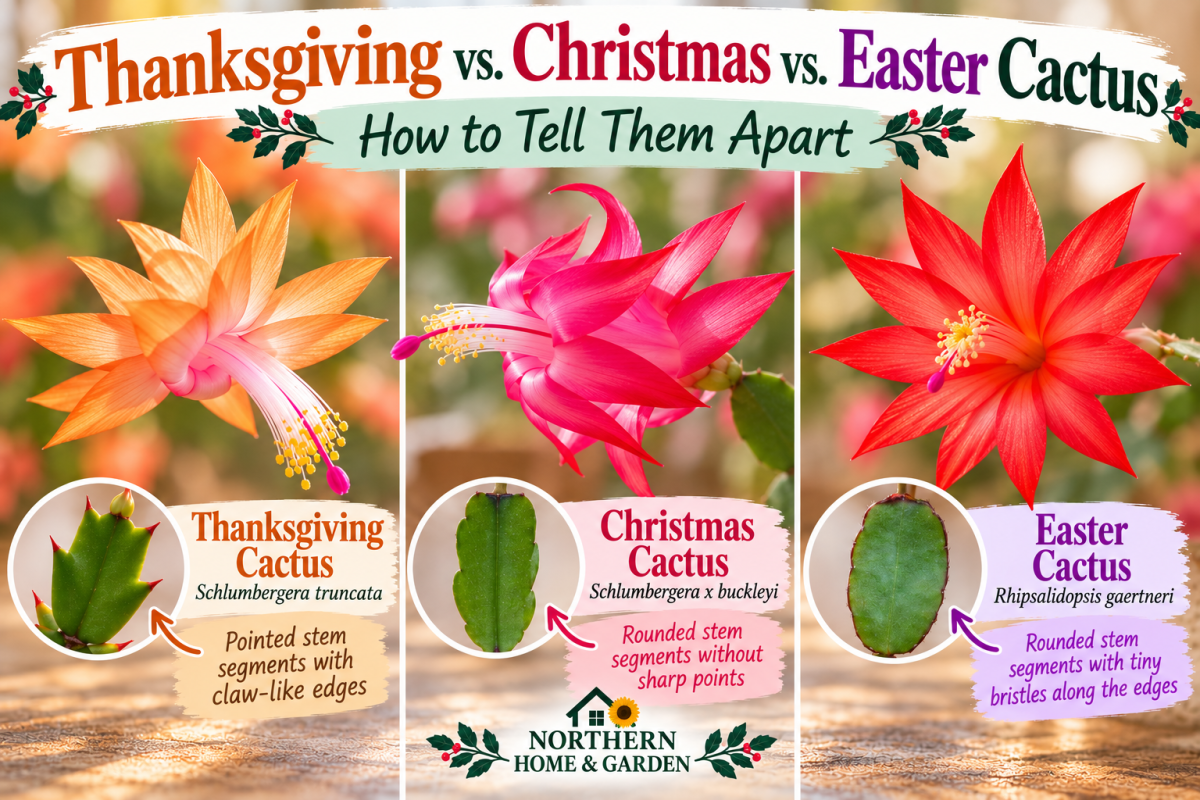
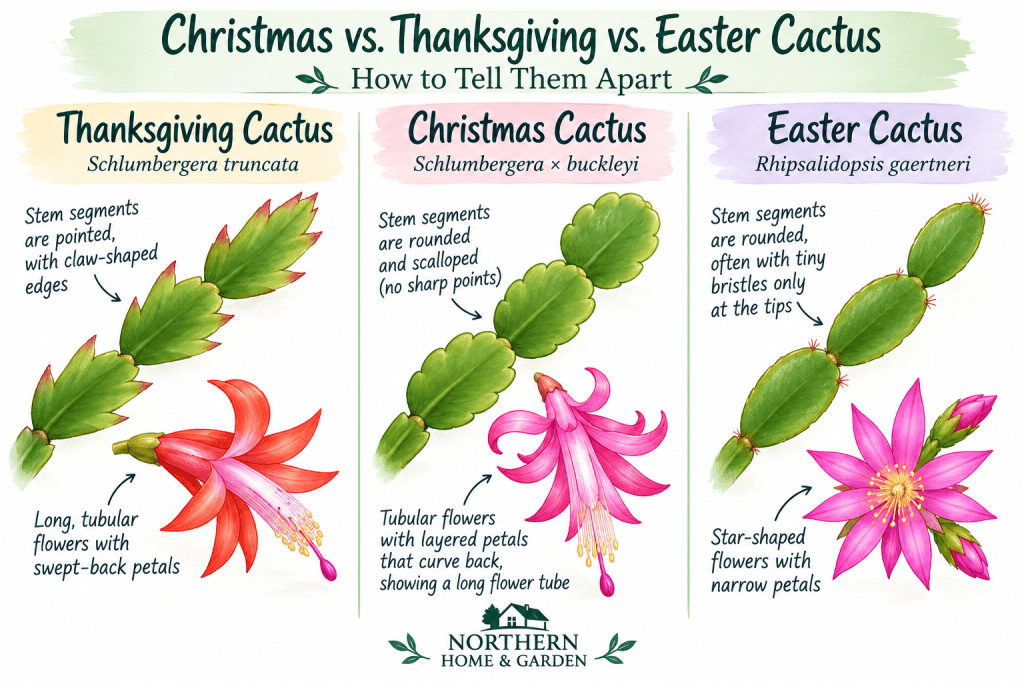
Although these holiday cacti look similar, each has its own distinctive features. The easiest way to tell them apart is by looking at the shape of their stem segments and flowers.
Thanksgiving Cactus
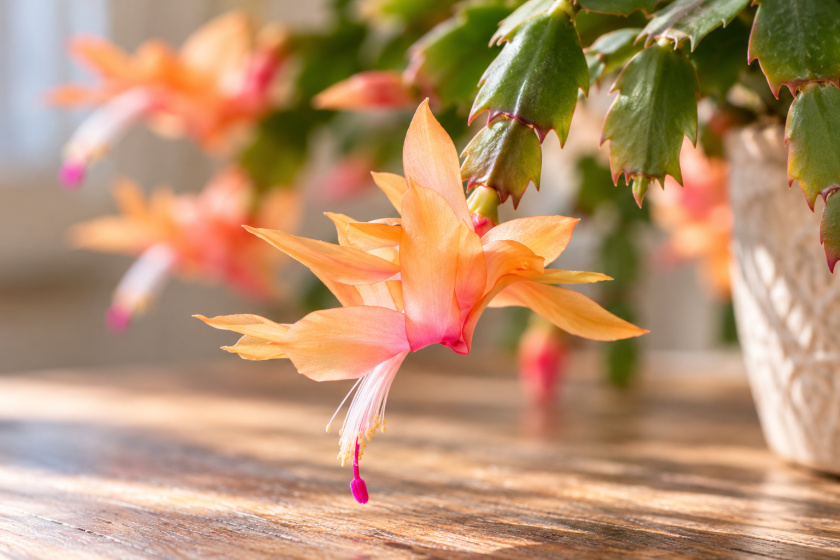
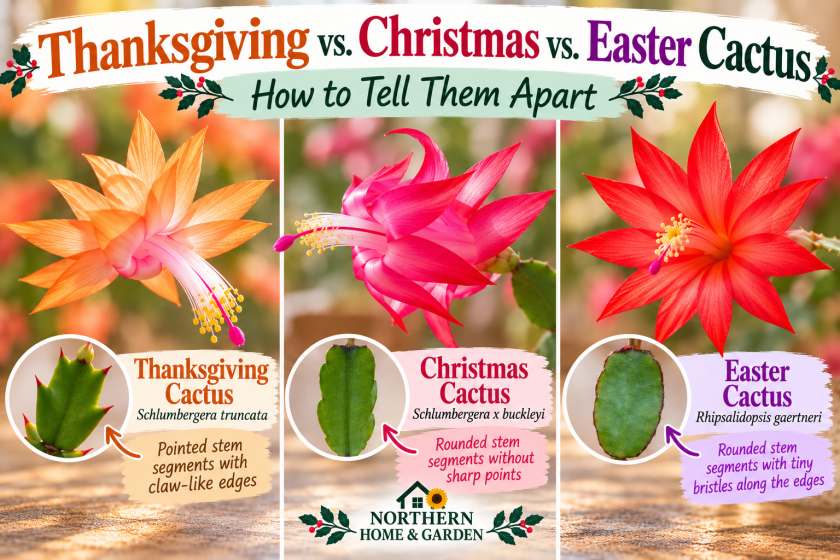
Thanksgiving cactus (Schlumbergera truncata) has pointed, claw-shaped edges along its stem segments. It’s usually the first of the three to bloom, often producing colorful flowers in the fall.
Its flowers come in shades of pink, red, purple, orange, and white. Thanksgiving cacti are also commonly sold as Christmas cacti in garden centers, which explains some of the confusion!
Christmas Cactus
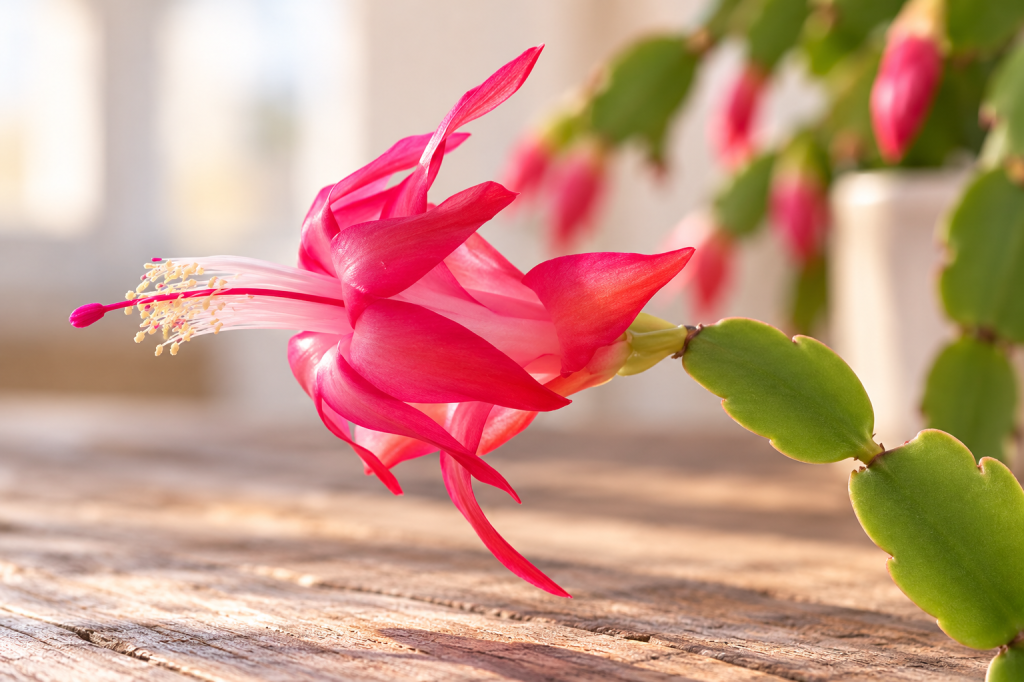
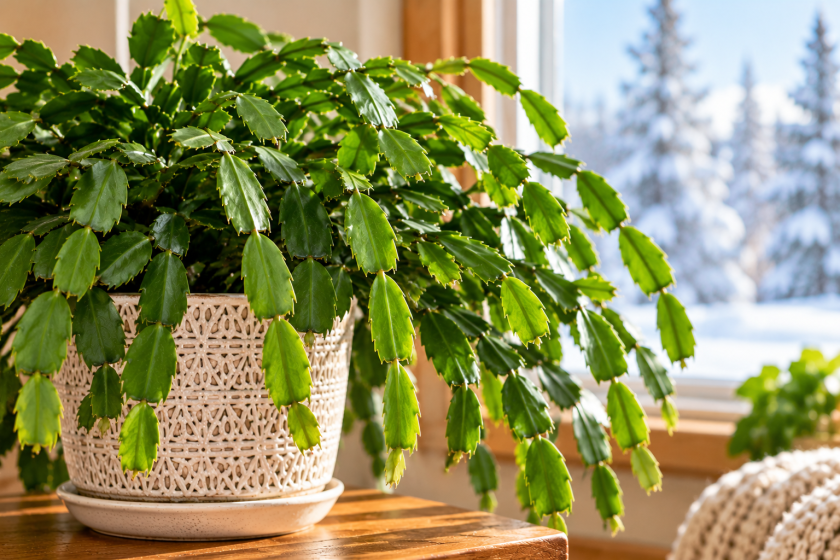
True Christmas cactus (Schlumbergera × buckleyi) has rounded, scalloped stem segments without the sharp points found on Thanksgiving cactus.
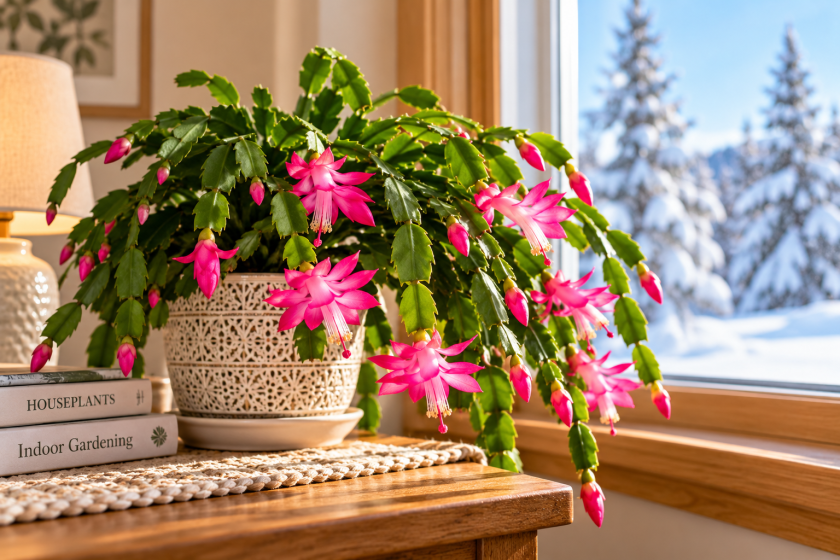
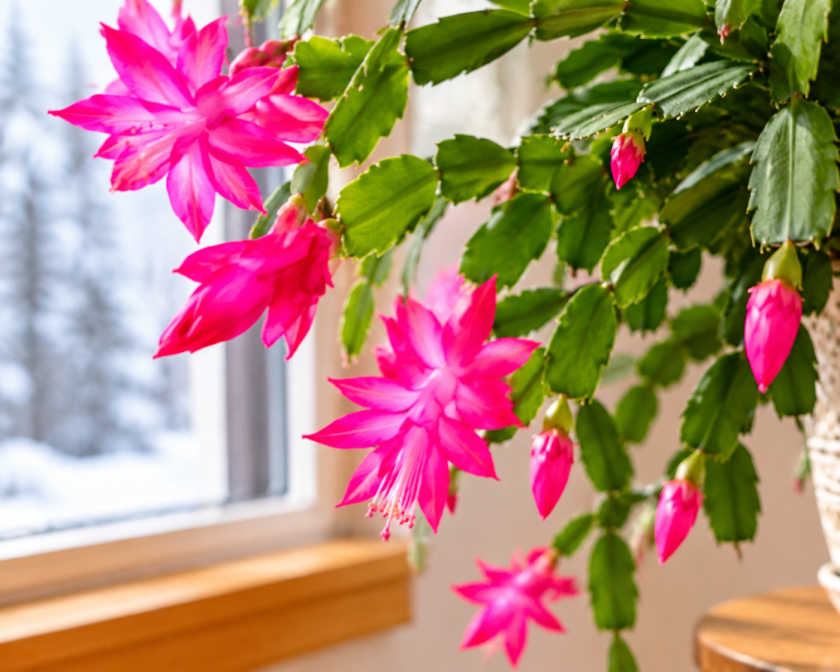
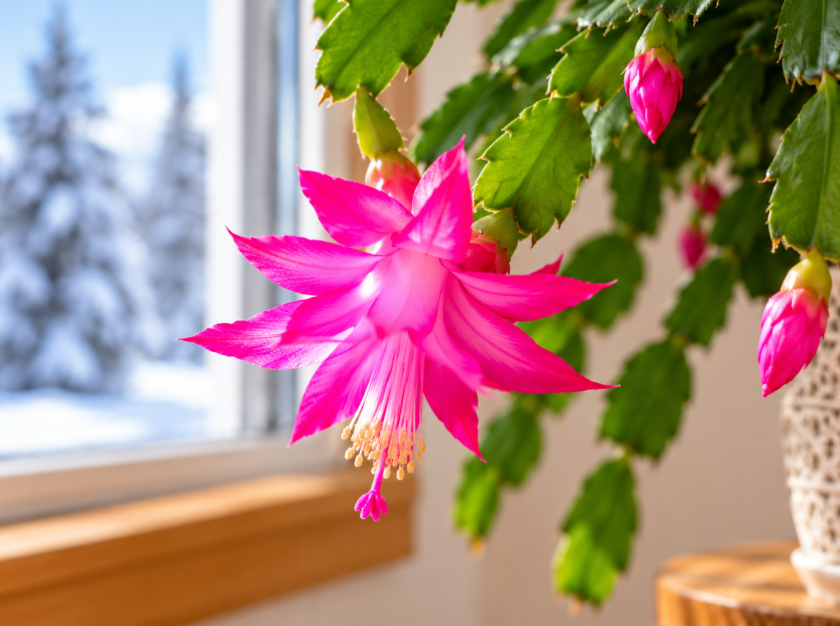
Its flowers are typically pink or reddish-pink and hang gracefully from the ends of its stems. Christmas cactus generally blooms in early winter, closer to its namesake holiday.
Easter Cactus
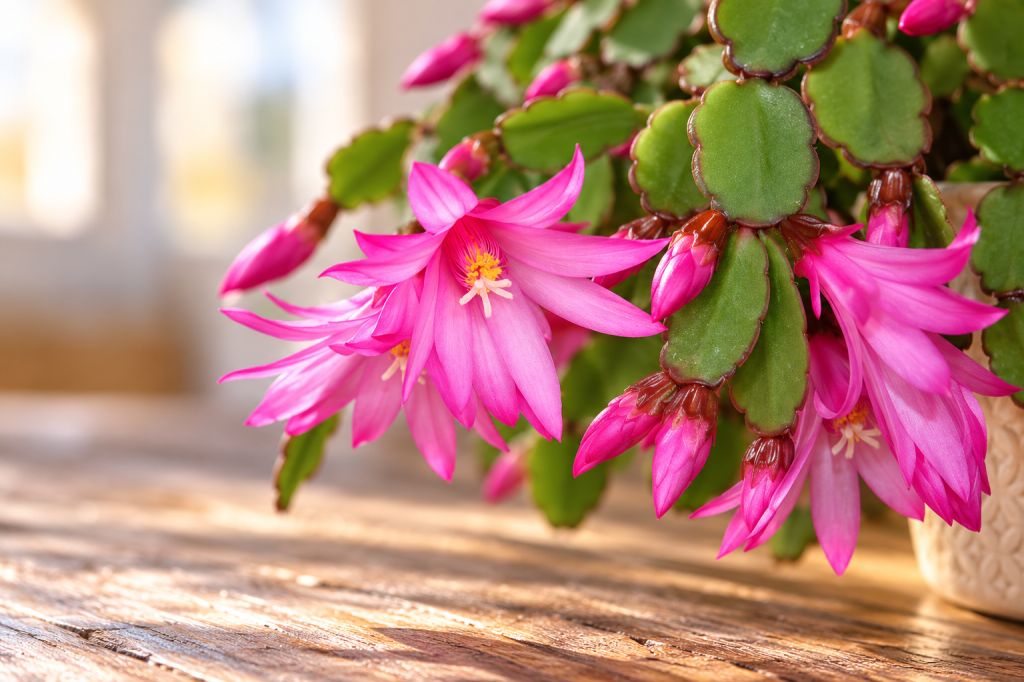
Easter cactus (Rhipsalidopsis gaertneri) has rounded stem segments, sometimes with tiny bristles along the edges and tips.
Unlike its fall- and winter-blooming relatives, Easter cactus typically flowers in spring. Its cheerful, star-shaped blooms come in shades of pink, red, orange, and white.
How to Care for Holiday Cacti
Although Thanksgiving, Christmas, and Easter cacti bloom at different times, their basic care needs are fairly similar. A little attention to light, water, and soil will help keep them healthy throughout the year.
Light: Place your cactus in bright, indirect sunlight. Too much direct sun can scorch the stems.
Water: Allow the top inch or so of soil to dry before watering thoroughly. Let excess water drain away, and never leave the pot sitting in water.
Soil: Use a well-draining potting mix. Adding perlite or orchid bark can help prevent soggy roots.
Temperature: Average indoor temperatures between 60–75°F work well for everyday care.
Humidity: Holiday cacti appreciate moderate humidity, especially during the dry winter months.
Unlike many desert cacti, these plants are native to humid environments and prefer a little more moisture. The trick is keeping the soil lightly moist when needed without leaving the roots waterlogged.
Want Your Holiday Cactus to Bloom?
Healthy green stems are lovely, but those colorful flowers are what make holiday cacti so special!
If your Christmas or Thanksgiving cactus hasn’t bloomed in a while, visit our guide on How to Get Your Holiday Cactus to Bloom for tips on encouraging flowers, including the importance of temperature, light, and seasonal rest.
Final Thoughts
Whether your holiday cactus blooms in November, December, or spring, each one brings a little color into the house when we need it most.
And now that you know what to look for, you’ll have a much easier time figuring out which holiday cactus is sitting on your windowsill!
Wondering why your holiday cactus won’t bloom? Learn four simple steps to encourage beautiful flowers on Christmas and Thanksgiving cactus, prevent bud drop, and keep your plant healthy year after year.
There’s something special about a holiday cactus covered in beautiful flowers, especially when the weather outside is cold and snowy. Those cheerful pink, red, or white blooms bring a welcome splash of color indoors during the colder months.
But what if your Christmas or Thanksgiving cactus refuses to bloom? Or worse, it develops flower buds only to drop them before they open?
The good news is that getting your holiday cactus to bloom isn’t complicated. With the right combination of light, temperature, and watering, you can encourage beautiful flowers year after year.
And if you’re lucky, you might even get a surprise round of blooms outside the usual flowering season!
4 Simple Steps to Encourage Holiday Cactus Blooms
Christmas and Thanksgiving cactus respond to changes in daylight and temperature. As fall approaches, longer nights and cooler conditions signal that it’s time to produce flower buds.
Here are four simple steps to help encourage those beautiful blooms.
1. Give It Longer, Uninterrupted Nights
For about six to eight weeks in the fall, give your holiday cactus approximately 13 to 14 hours of uninterrupted darkness each night.
A room that stays naturally dark after sunset works well. Just remember that artificial lighting during the evening can interfere with bud formation.
During the day, keep your cactus in bright, indirect light.
2. Keep Temperatures on the Cooler Side
Cooler temperatures can encourage flower buds, even when the plant receives fewer hours of darkness. Aim for nighttime temperatures around 55°F to 60°F (13°C to 16°C), if possible.
There’s no need to turn your house into a refrigerator! A naturally cooler room may be all your plant needs.
Just keep it away from freezing window glass, cold drafts, and sudden temperature changes.
3. Water Carefully
Christmas and Thanksgiving cacti aren’t quite like the desert cacti we’re used to seeing. They’re tropical plants that prefer a little more moisture.
Water when the upper inch of soil feels dry. Allow excess water to drain away, and avoid leaving the pot sitting in water.
During the fall blooming preparation period, avoid keeping the soil constantly wet, but don’t let the plant become severely dried out either.
I use a soil moisture meter to help check when my houseplants need water. It’s especially handy for larger plants when it’s hard to tell how damp the soil is beneath all that foliage. I still check the soil myself, but it’s a helpful little tool!
4. Give It a Little Time
Flower buds don’t appear overnight.
After several weeks of favorable conditions, you may begin noticing tiny buds forming at the tips of the stem segments. It can take several more weeks for those buds to open.
Once buds appear, continue providing bright, indirect light and consistent temperatures as the flowers develop.
What to Do When Flower Buds Appear
You’ve waited patiently, and your holiday cactus finally has flower buds! Now the goal is to keep those little buds happy until they open.
Christmas and Thanksgiving cactus can be sensitive to sudden changes in their environment, especially while they’re developing flowers.
A few simple precautions can help prevent bud drop:
Keep temperatures consistent. Avoid placing your plant near heating vents, drafty doors, or cold windows.
Maintain steady watering. Don’t let the soil become completely dry for long periods, but avoid overwatering.
Provide bright, indirect light. Once buds appear, you can return to a normal day and night lighting schedule. Your cactus no longer needs the long nights used to encourage bud formation.
Avoid sudden changes in location. Moving your plant isn’t necessarily harmful, but changes in light, temperature, or humidity can cause buds to drop.
Hold off on repotting. Wait until after flowering to avoid disturbing the roots unnecessarily.
Why Are My Holiday Cactus Buds Falling Off?
If your cactus starts dropping buds, don’t panic! It doesn’t necessarily mean something is seriously wrong.
Sudden temperature changes, inconsistent watering, dry indoor air, and changes in lighting can all contribute to bud drop.
During our northern winters, indoor heating can make the air especially dry. Keeping your cactus away from direct heat and maintaining moderate humidity can help reduce bud drop.
If a few buds still fall off, don’t give up on your plant. Sometimes holiday cacti are just a little particular about their surroundings!
Why Isn’t My Holiday Cactus Blooming?
If your Christmas or Thanksgiving cactus looks healthy but refuses to flower, don’t give up on it just yet!
Usually, the problem comes down to lighting, temperature, or watering. A few small adjustments may be all it needs.
Possible Problem
What to Try
Too much artificial light at night
Provide 13–14 hours of uninterrupted darkness for several weeks during fall.
Temperatures are too warm
Try a cooler location, ideally around 55–60°F at night during bud formation.
Not enough daytime light
Move your cactus to a spot with bright, indirect sunlight.
Improper watering
Water when the upper inch of soil feels dry, and avoid soggy soil.
Recent repotting or other stress
Give your plant time to settle into a stable environment.
Can a Holiday Cactus Bloom More Than Once a Year?
Absolutely! Although Christmas and Thanksgiving cactus are known for their beautiful flowers during the colder months, both can bloom more than once a year when growing conditions are right.
Changes in daylight hours and temperature may encourage another round of flower buds, even outside the usual blooming season.
I’ve experienced this with my own holiday cactus. Not only has it surprised me with beautiful pink flowers in April, but it’s even bloomed in July! And the funny thing is, I haven’t done anything differently to encourage those extra blooms.
Apparently, my cactus has decided that blooming season is more of a suggestion than a rule!
While you can’t count on flowers appearing throughout the year, keeping your plant healthy with proper light, watering, and consistent care gives it the best chance to bloom again when conditions are favorable.
Caring for Your Holiday Cactus After Blooming
Once the last flowers have faded, a little routine care will help keep your holiday cactus healthy and ready for its next blooming season. Fortunately, it doesn’t take much!
Keep it in bright, indirect light. Avoid harsh afternoon sunshine that can scorch the stems.
Water when needed. Allow the upper inch of soil to dry before watering, and never leave the pot sitting in water.
Fertilize during active growth. A balanced houseplant fertilizer, diluted according to the label, can help support healthy growth in spring and summer.
Repot only when necessary. Holiday cacti can bloom well when slightly rootbound. If your plant needs a larger pot, spring is a good time to repot.
Prune after flowering. Removing a few stem segments can encourage branching and fuller growth. And don’t throw those cuttings away! They’re perfect for propagating new plants.
With a little consistent care, Christmas and Thanksgiving cactus can thrive for many years, becoming beautiful houseplants that you can enjoy long after the decorations are packed away.
Not sure which holiday cactus you have?
Christmas, Thanksgiving, and Easter cactus may look similar, but their stem shapes and blooming seasons can help you tell them apart. Check out our guide Christmas vs. Thanksgiving vs. Easter Cactus to identify yours!
A Little Patience Goes a Long Way
Getting your holiday cactus to bloom doesn’t have to be complicated. A few weeks of longer nights, cooler temperatures, and proper watering can make a big difference.
With a little patience and consistent care, you’ll give your plant the best chance to reward you with beautiful flowers.
And whenever those beautiful blooms decide to appear, they’re always worth celebrating!