There comes a point every northern summer when we all start doing the same thing.
Checking the nighttime forecast.
Every. Single. Day.
At first, the lows are comfortably above freezing.
Then you see 40°F.
Then 37°F.
Then one evening you check again and there it is:
32°F.
And suddenly you’re standing in the garden wondering whether you need to harvest everything you own before bedtime. 😂
The first frost doesn’t necessarily mean gardening season is completely over, but it does mean it’s time to make a few decisions.
Here’s a simple first-frost checklist to help you figure out what needs attention—and what can stay right where it is.
Affiliate Disclosure: This post contains affiliate links. As an Amazon Associate, Northern Home & Garden earns from qualifying purchases at no additional cost to you.
1. Know the Difference Between Frost and a Hard Freeze
Not every cold night has the same effect on your garden.
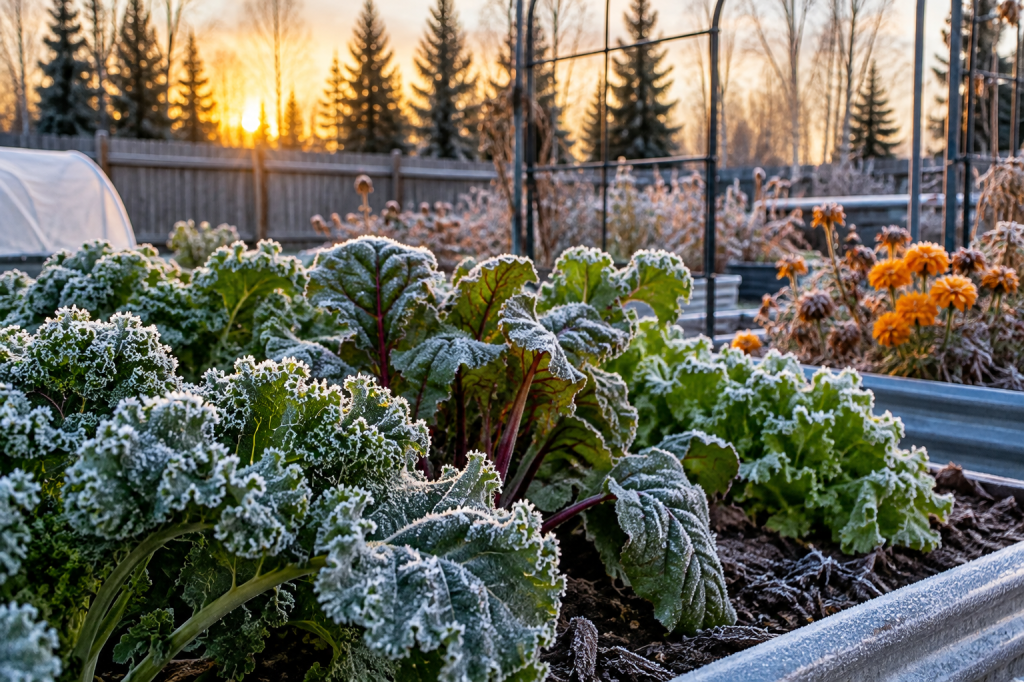
A light frost can form when surface temperatures around your plants dip to freezing or below. Tender plants may be damaged while cold-tolerant plants come through just fine
A harder freeze, particularly when temperatures remain below freezing for several hours, can cause much more significant damage.
Your individual garden matters, too.
Low spots can collect colder air, while areas near the house or protected by fences may stay slightly warmer.
That’s why one plant can be covered in frost while another one 30 feet away looks completely untouched.
❄️Northern Tip:
Don’t rely only on the forecast for the nearest town. Pay attention to temperatures in your own yard over time. Your garden may have little microclimates that behave very differently.
A simple outdoor thermometer can help you keep track of how temperatures in your own garden compare with the official forecast.
2. Harvest the Tender Vegetables First
When frost is in the forecast, start with the crops least likely to tolerate it.
Tender vegetables such as these deserve your attention first:
- Tomatoes
- Cucumbers
- Summer squash
- Beans
- Peppers
- Eggplant
- Basil
Harvest anything that’s ready rather than risking losing it overnight.
Green tomatoes can often continue ripening indoors, so don’t assume they have to be perfectly red before picking.
If you have a lot left in the garden, prioritize.
You don’t necessarily need to harvest every single thing growing outside.
Start with the plants that are most vulnerable and the produce you most want to save.
Because racing around the garden at 9:30 p.m. with a flashlight and a laundry basket is technically a harvesting method…
But probably not the one we should recommend. 😂
3. Don’t Panic About the Cold-Hardy Crops
Some vegetables actually handle cool weather remarkably well.
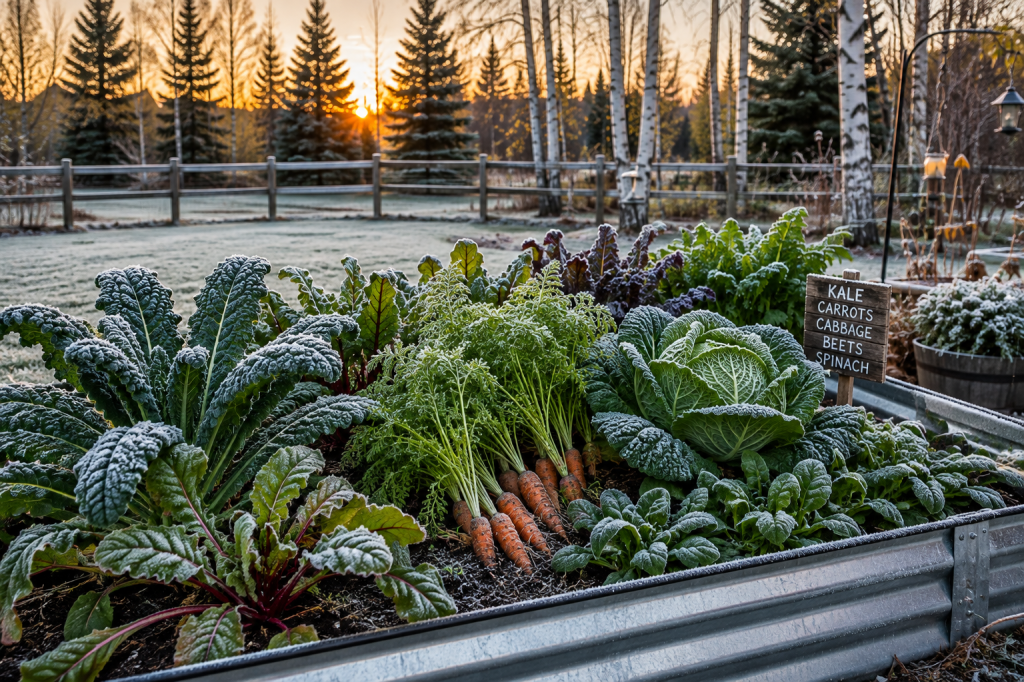
Depending on the variety and severity of the cold, crops such as kale, carrots, beets, cabbage, broccoli, spinach, and other cool-season vegetables may tolerate light frost.
Some even taste sweeter after exposure to cold because of changes in the sugars within the plant.
So when that first chilly night arrives, you may not need to pull everything.
❄️Northern Tip:
Know what you’re growing before frost arrives. A simple garden note listing which plants are tender and which tolerate cold can prevent a lot of unnecessary harvesting.
This is one situation where kale gets to feel superior to the tomatoes.
Let it have its moment.
4. Cover Plants Worth Saving
If the forecast calls for only a brief cold spell followed by warmer weather, protecting tender plants may buy you several more days—or sometimes longer—of growing time.
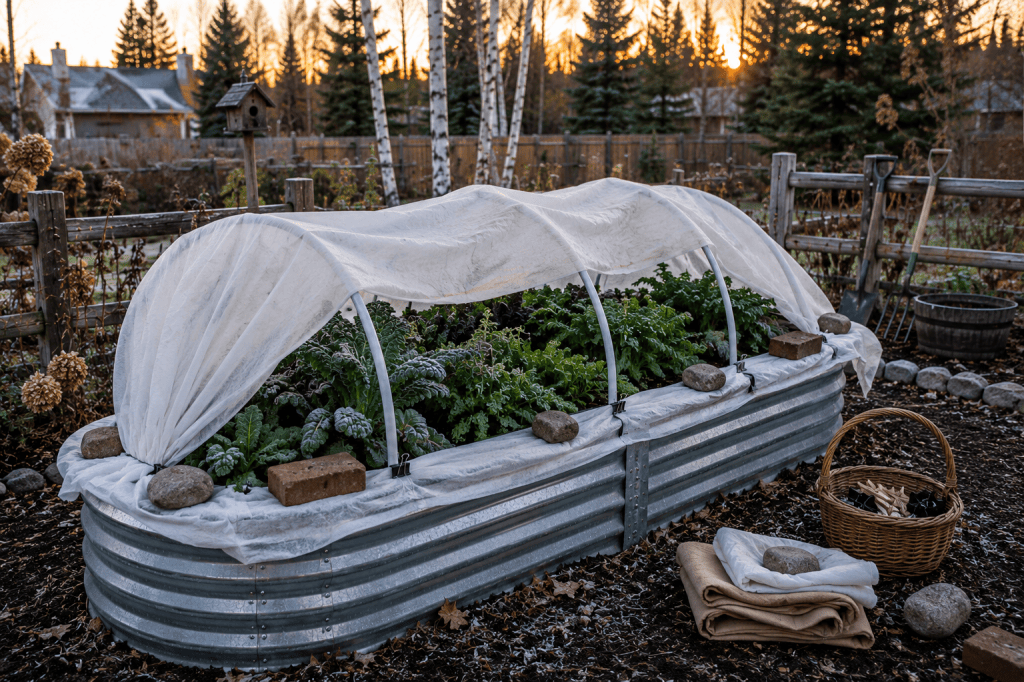
Frost cloth, row covers, old sheets, or lightweight blankets can provide temporary protection.
Support heavier material so it doesn’t crush delicate plants.
Avoid using plastic directly against foliage, where it can transfer cold and damage leaves. If plastic is used as part of a protective setup, keep it supported away from the plant.
Cover plants before temperatures drop significantly so you’re trapping some of the warmth stored in the soil.
Remove or open coverings once temperatures warm the following day.
❄️Northern Tip:
Keep your frost-covering supplies together in one place.
There is nothing quite like learning frost is expected in two hours and suddenly trying to remember where you put every old sheet in the house.
5. Bring Tender Containers Inside
Container plants are more vulnerable to cold because their roots don’t have the insulation provided by a large volume of ground soil.
Bring tender potted plants indoors or move them into another protected location when freezing temperatures threaten.
This might include:
- Tender herbs
- Houseplants vacationing outside for summer
- Annual flowers you want to keep longer
- Tender perennials you plan to overwinter
- Small containers that can easily be moved
Before bringing plants into your living space, inspect them carefully for insects.
Check underneath leaves, around stems, and near the soil.
Because bringing a favorite plant inside for winter is lovely.
Bringing an entire aphid population inside with it is less lovely.
6. Harvest or Protect Your Herbs
Herbs vary quite a bit in their tolerance for cold.
Tender herbs such as basil can be quickly damaged by frost, so harvest them before temperatures fall.
Hardier perennial herbs may tolerate cold much better depending on the plant and your growing zone.
You can preserve extra herbs by drying, freezing, or using them in recipes before frost arrives.
If there’s a plant you particularly love, you may also be able to take cuttings or bring a container indoors, depending on the herb.
❄️Northern Tip:
Basil is not interested in proving how tough it is.
If frost is coming, harvest it. 😂
7. Collect Seeds You Want to Save
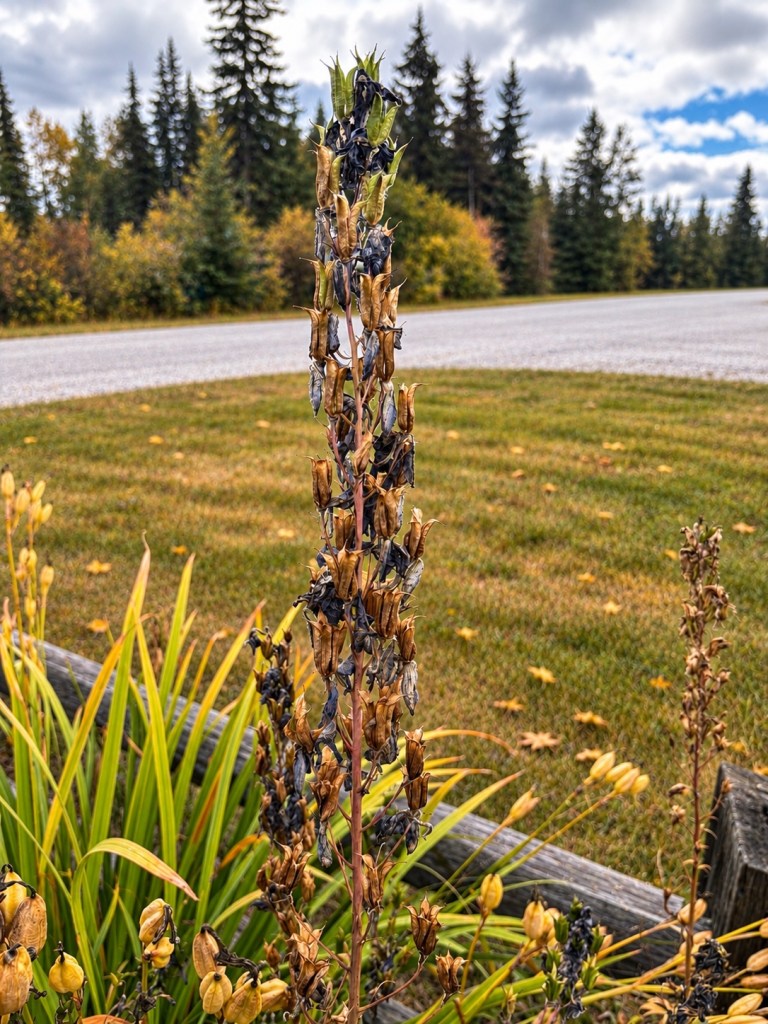
Late summer and early fall are great times to collect mature seeds from flowers and vegetables you want to grow again.
Choose healthy plants and allow the seeds to fully mature whenever possible.
Make sure seeds are dry before storing them, and label everything.
Seriously.
Label them.
Simple seed-saving envelopes make it easy to keep each variety labeled with the plant name and year.
A tiny envelope containing mysterious brown seeds may seem completely obvious in September.
By February, it will contain:
Plant. Probably.
Write down the variety and year.
Future-you will appreciate the effort.
8. Take Cuttings From Plants You Want to Keep
Some tender plants can be propagated from cuttings and overwintered indoors rather than bringing in an entire large plant.
Whether this works depends on the species, so check the requirements for the particular plant you’re growing.
Taking cuttings can be especially useful when you have a plant you really loved and don’t want to start completely over next year.
It can also be a fun little winter gardening project.
Because apparently six months of frozen ground isn’t enough to stop us from finding something to grow.
9. Disconnect the Garden Hose
If freezing temperatures are becoming more frequent, don’t forget the hose.
Disconnect hoses from outdoor faucets and drain them thoroughly before storing them for winter.
Water trapped inside a hose can freeze and damage it.
More importantly, leaving hoses connected to certain outdoor faucets can contribute to freezing problems in the plumbing.
Follow the appropriate winterizing recommendations for your home’s particular outdoor faucet and plumbing system.
Drain watering wands, sprayers, and other equipment that can hold water, too.
❄️Northern Tip:
Do this before the hose freezes stiff.
Rolling up a flexible garden hose is a five-minute job.
Trying to roll up a 50-foot frozen garden sculpture is not.
A simple wall-mounted hose holder can keep the drained hose neatly stored and off the ground through winter.
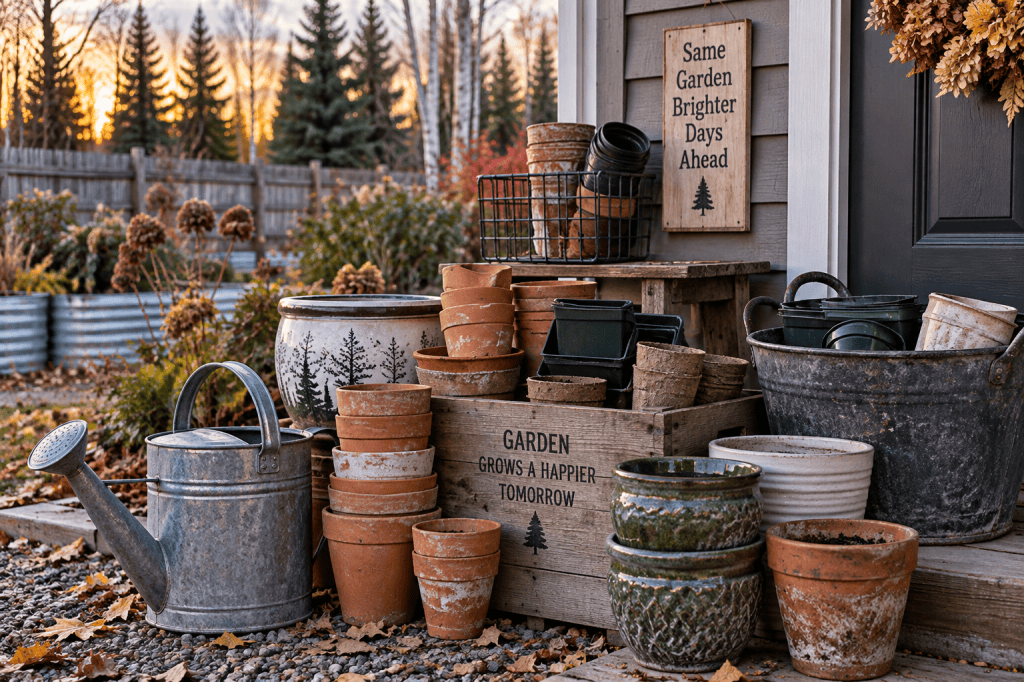
10. Empty Small Containers That Could Crack
Water expands when it freezes.
That means containers that collect water can crack during winter, particularly materials that aren’t designed for freeze-thaw conditions.
Empty and store vulnerable pots, watering cans, birdbaths, decorative containers, and other items as appropriate.
Turn weather-resistant containers upside down or cover them if needed so they don’t repeatedly fill with water and freeze.
If you’re unsure whether a particular pot can remain outside through a northern winter, check the manufacturer’s recommendations.
11. Gather Your Garden Tools
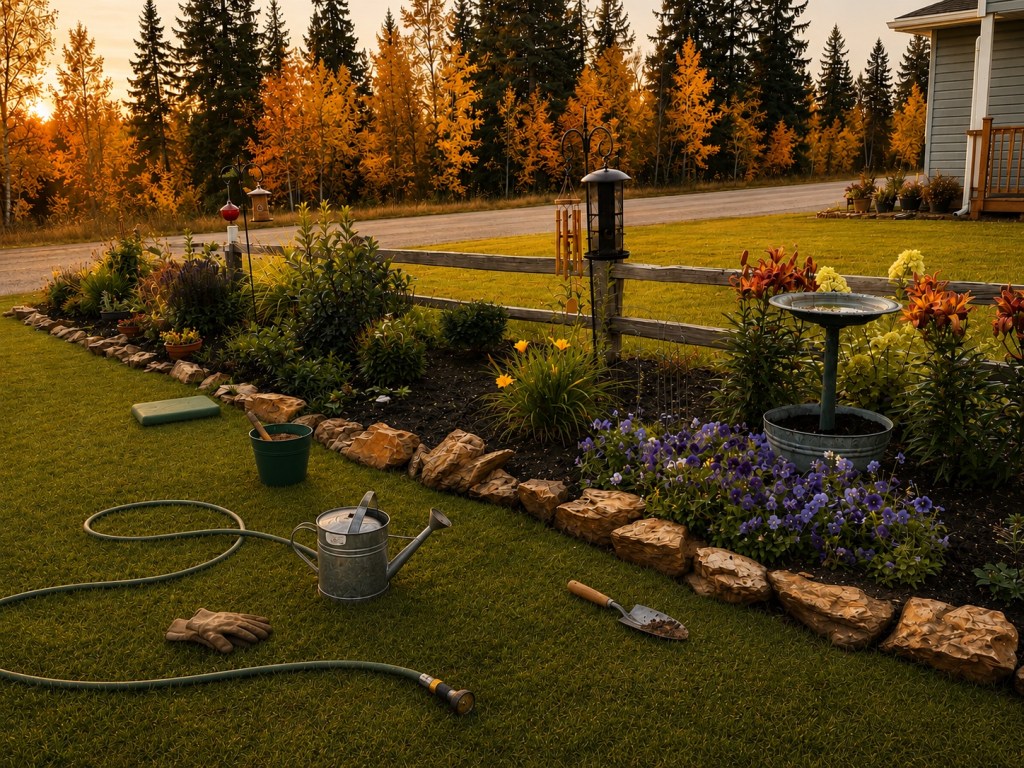
You don’t necessarily have to put every garden tool away after the first frost.
There may still be plenty of fall cleanup ahead.
But this is a good time to start gathering things.
Clean dirt from hand tools, pruners, shovels, and other equipment before storing them.
Dry tools thoroughly and maintain them according to the manufacturer’s recommendations.
Also collect the things you’ve gradually scattered around the yard all summer.
Plant labels.
Gloves.
Buckets.
Twine.
Clippers.
That one hand shovel you haven’t seen since June.
Fall garden cleanup is partly horticulture and partly an archaeological excavation. 😂
12. Take Pictures Before Everything Changes
Before frost flattens tender plants and the garden begins transitioning into winter, take pictures.
Photograph individual plants you loved.
Take wide shots of your garden beds.
Photograph combinations that worked particularly well.
And definitely photograph the things that didn’t.
These pictures will be incredibly helpful when you’re planning next year’s garden.
❄️Northern Tip:
Don’t photograph only the pretty parts.
A picture of an overcrowded bed, badly placed plant, inadequate trellis, or unsuccessful corner can be more useful for planning than a perfect flower photo.
Real gardens teach us things.
Usually by making us learn them the hard way. 😂
13. Don’t Start Ripping Out the Perennial Garden
The first frost doesn’t mean every perennial needs to be immediately cut to the ground.
Allow healthy perennial foliage to naturally decline so plants have time to transition into dormancy.
Some stems and seed heads can remain through winter to provide food and habitat for birds and beneficial insects.
Remove diseased plant material and deal with specific plants according to their needs, but don’t feel obligated to make the perennial bed spotless.
Hardy perennials know winter is coming.
They’ve got this.
14. Decide Whether You’re Extending the Season or Calling It
This might be the most important question.
If the forecast shows one cold night followed by two weeks of beautiful weather, covering a few plants may absolutely be worth the effort.
If every night in the forecast is hovering around freezing and the plants are already slowing down…
maybe you’re done.
And that’s okay.
Cold-climate gardeners become very good at squeezing every possible day out of summer.
But eventually there comes a point when protecting six tired zucchini plants from another freezing night isn’t season extension.
It’s denial.😂
Harvest what you want, clean things up, and let the garden rest.
There will be another growing season.
First Frost Garden Checklist
When frost appears in the forecast:
- Check how cold temperatures are expected to get
- Harvest tender vegetables that are ready
- Leave cold-hardy crops if conditions allow
- Cover tender plants you want to keep growing
- Bring vulnerable containers indoors
- Harvest tender herbs such as basil
- Inspect plants for insects before bringing them inside
- Collect mature seeds you want to save
- Take cuttings from appropriate plants you want to overwinter
- Disconnect and drain garden hoses when freezing weather becomes regular
- Empty containers that could be damaged by freezing water
- Begin cleaning and gathering garden tools
- Take pictures of the garden
- Make notes about what worked and what didn’t
- Leave healthy perennial foliage where appropriate
- Decide whether extending the season is actually worth it
And most importantly:
Don’t panic.
One frosty night doesn’t necessarily mean the entire garden is finished.
The First Sign That the Season Is Changing
The first frost is always a little bittersweet.
After waiting so long for spring, watching the garden finally grow, and trying to squeeze as much as possible into a short northern summer, it’s hard to watch the season wind down.
But frost is also part of the rhythm of gardening in the North.
The annuals finish.
The perennials go dormant.
The garden gets quieter.
And before long, snow covers everything.
For a little while, anyway, there are no weeds to pull, nothing to water, and absolutely no reason to wonder whether that plant needs fertilizer.
So harvest the tomatoes.
Bring in the basil.
Drain the hose.
And then enjoy the break.
Because if you’re anything like most northern gardeners, you’ll probably start planning next year’s garden before the first real snowstorm even arrives. 🌱❄️🌻
Northern Home & Garden
Beauty That Grows Through the Cold

