When winter lasts for months, getting your home ready isn’t just about making it cozy.
It’s about keeping the cold outside, the heat inside, and making everyday winter life a little easier.
Fortunately, you don’t need an enormous home-maintenance checklist. A handful of simple jobs in fall can make a big difference once the temperatures drop, the snow piles up, and going outside to fix something suddenly sounds much less appealing.
Here are some simple ways to get your home ready for a long northern winter.
Affiliate Disclosure: This post contains affiliate links. As an Amazon Associate, Northern Home & Garden earns from qualifying purchases at no additional cost to you.
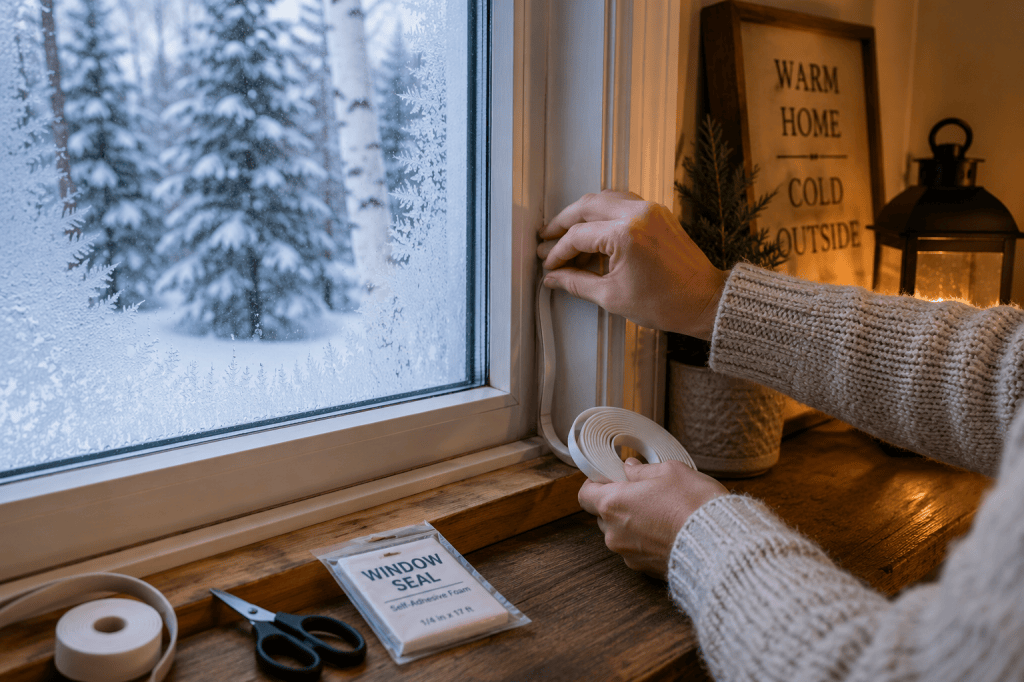
1. Find the Drafts Before Winter Does
A tiny draft around a window or door doesn’t seem like a big deal on a cool fall afternoon.
At 20 below?
You’ll notice it. 😂
Before really cold weather arrives, check exterior doors and windows for areas where cold air can sneak inside.
Look for worn weather stripping, gaps around door frames, or windows that aren’t sealing properly.
Simple fixes such as replacing weather stripping, adding caulk where appropriate, or using a door draft stopper can make rooms feel noticeably more comfortable.
❄️Northern Tip:
On a cool, windy day, slowly run your hand around the edges of windows and exterior doors. Drafts are often surprisingly easy to find once the wind starts blowing.
2. Give Your Heating System Some Attention
Your heating system is about to become one of the hardest-working things in the house.
Give it a little attention before you really need it.
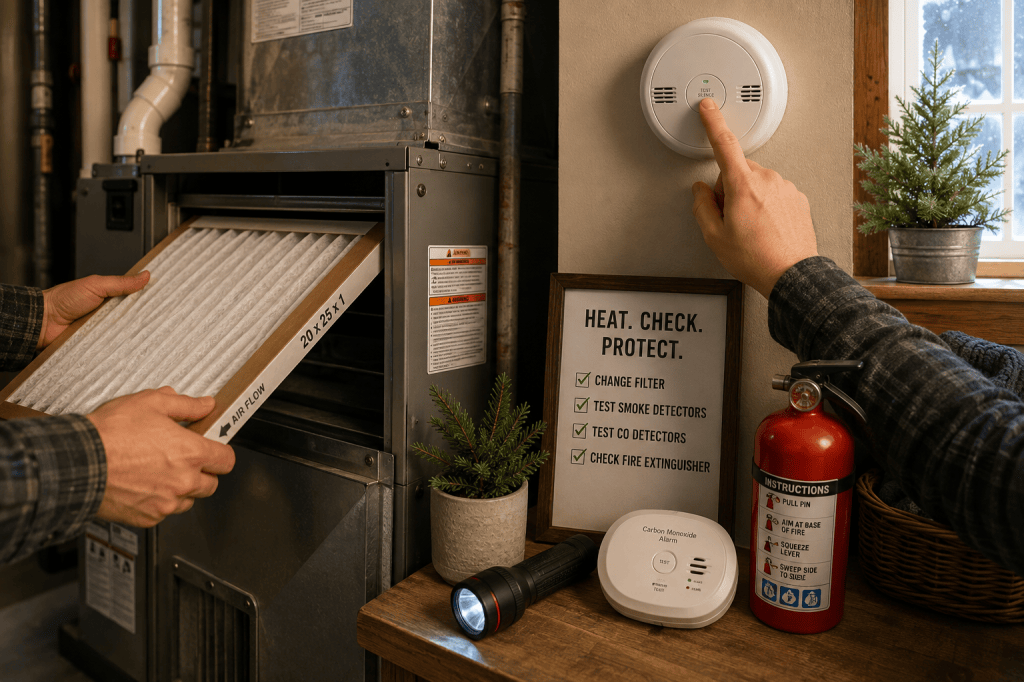
Replace or clean furnace filters as recommended for your system, make sure vents and registers aren’t blocked, and consider scheduling routine maintenance if your heating equipment is due for service.
If you use a wood stove or fireplace, have the chimney and equipment inspected and cleaned as appropriate before the heating season.
And don’t wait until the first truly cold night to discover something isn’t working properly.
That’s the kind of excitement nobody needs in January.
3. Check Smoke and Carbon Monoxide Detectors
As homes close up for winter and heating systems begin running more frequently, it’s especially important to make sure smoke and carbon monoxide detectors are working properly.
Test each detector and replace batteries when needed.
Check the manufacturer’s recommendations for replacing the detector itself, too. Smoke and carbon monoxide alarms don’t last forever.
If a unit needs replacing, a combination smoke and carbon monoxide detector can provide both types of detection in one alarm.
This is also a good time to make sure fire extinguishers are accessible and haven’t expired.
❄️Northern Tip: Tie this job to another fall routine you already do every year. It’s much easier to remember when “winter prep” automatically means “check the detectors.”
4. Get Your Entryway Ready for Snow
Winter has an amazing ability to follow you right through the front door.
Snowy boots.
Wet gloves.
Hats.
Coats.
Scarves.
And approximately 47 individual mittens, none of which seem to make a matching pair. 😂
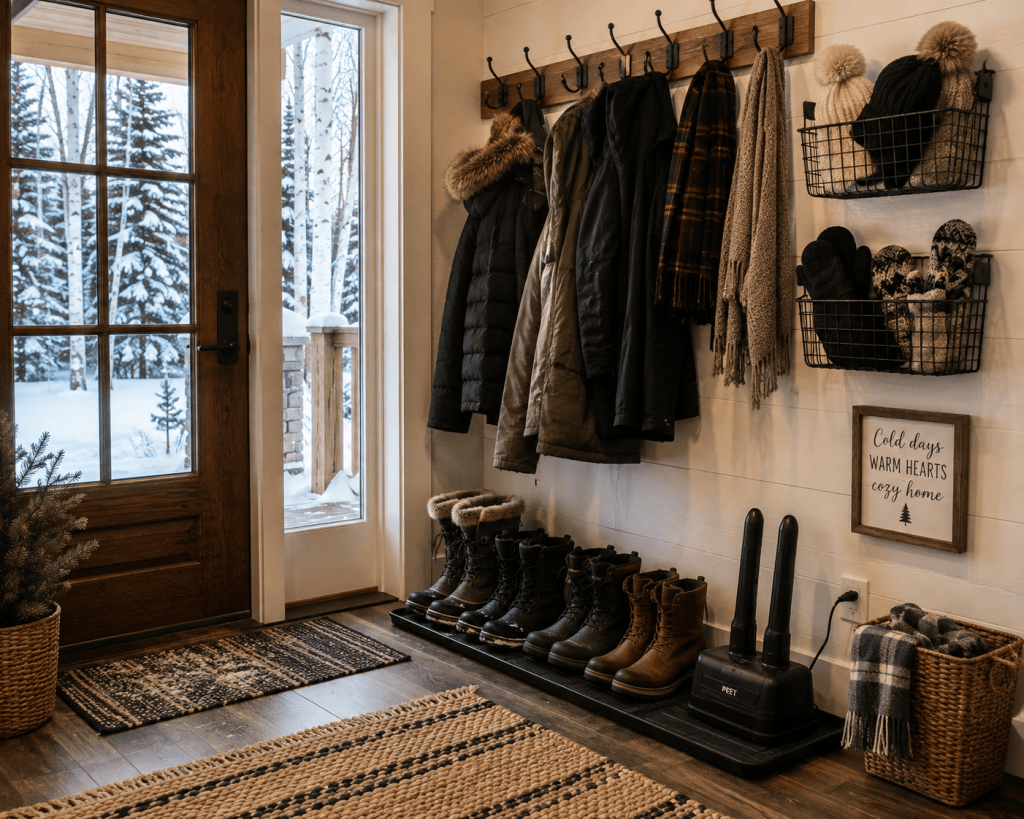
Before winter arrives, set up an area where wet gear can actually dry.
A sturdy boot tray helps contain melting snow. Hooks or baskets give hats and gloves somewhere to go, and a boot dryer can be incredibly useful in homes where people are constantly coming and going in winter.
Even a small entryway can work well when everything has a designated place.
❄️Northern Tip:
Keep the things you use every day easiest to reach. Winter storage doesn’t need to look perfect—it needs to work when everyone walks through the door covered in snow.
5. Put Away the Outdoor Watering Equipment
Before freezing temperatures settle in, disconnect garden hoses and drain them completely.
Store hoses somewhere protected if possible, and take care of outdoor faucets according to the type of plumbing and fixtures your home has.
Drain watering cans, sprayers, and anything else that could hold water and crack when frozen.
If you have irrigation equipment, follow the winterization instructions for your particular system.
This is one of those jobs that’s very easy to postpone…
until you find the garden hose frozen into a shape that apparently intends to remain permanent until May.
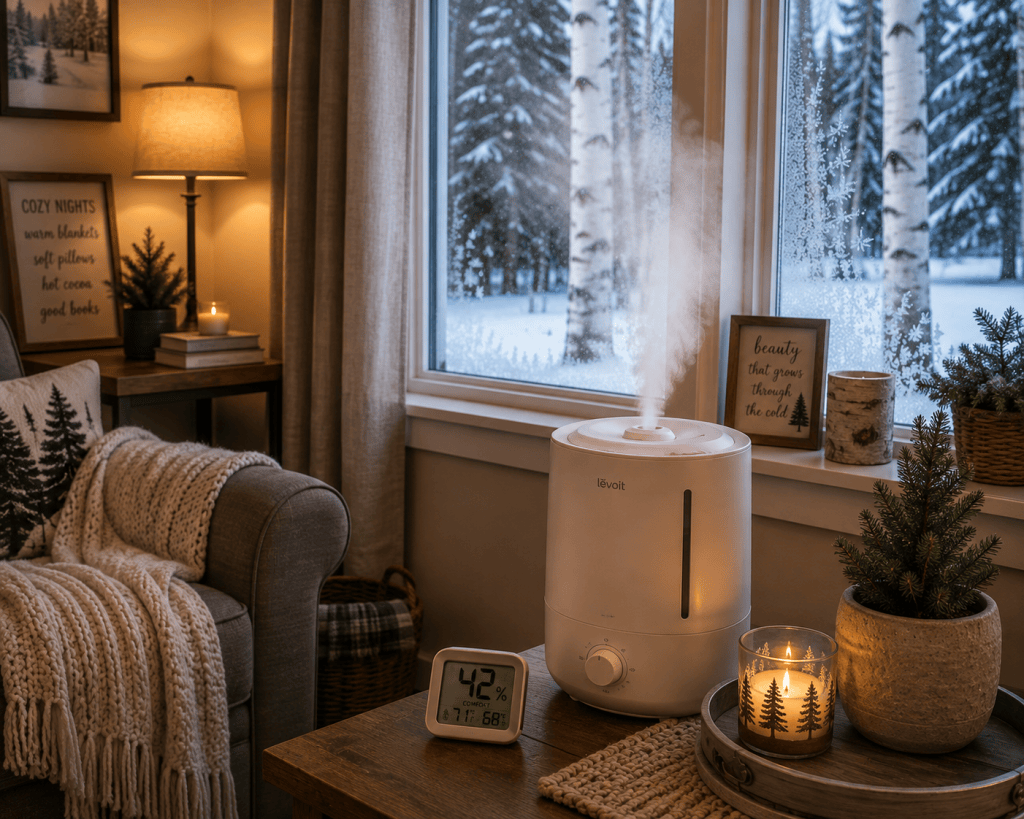
6. Prepare for Dry Indoor Air
Cold outdoor air holds very little moisture, and once that air comes inside and gets heated, homes can become extremely dry.
You might notice static electricity, dry skin, shrinking wood, or simply that uncomfortable everything feels dry feeling.
If you use a humidifier, fall is a good time to clean it and replace filters or other parts as recommended by the manufacturer.
If your home has a whole-house humidifier, check that it’s ready for the heating season.
Just remember that more humidity isn’t always better. Too much moisture can cause condensation on windows and contribute to mold or other moisture problems.
The goal is comfortable—not turning the living room into a tropical greenhouse.
Save that for the houseplants. 😂
7. Reverse Your Ceiling Fans
If your ceiling fans have a reverse setting, switch them to their winter direction.
Because warm air rises, a ceiling fan running slowly in the proper winter direction can help circulate warm air that collects near the ceiling back into the room.
You shouldn’t feel a strong breeze underneath it.
This little adjustment won’t magically heat the house, but it can help rooms with high ceilings feel more evenly comfortable.
❄️Northern Tip:
While you’re up there changing the fan direction, clean the blades. Otherwise, the first time you turn it on may redistribute more than warm air.
Ask me how I know. 😂
8. Prepare for Winter Power Outages
Even if outages aren’t common where you live, winter is a good time to be prepared for one.
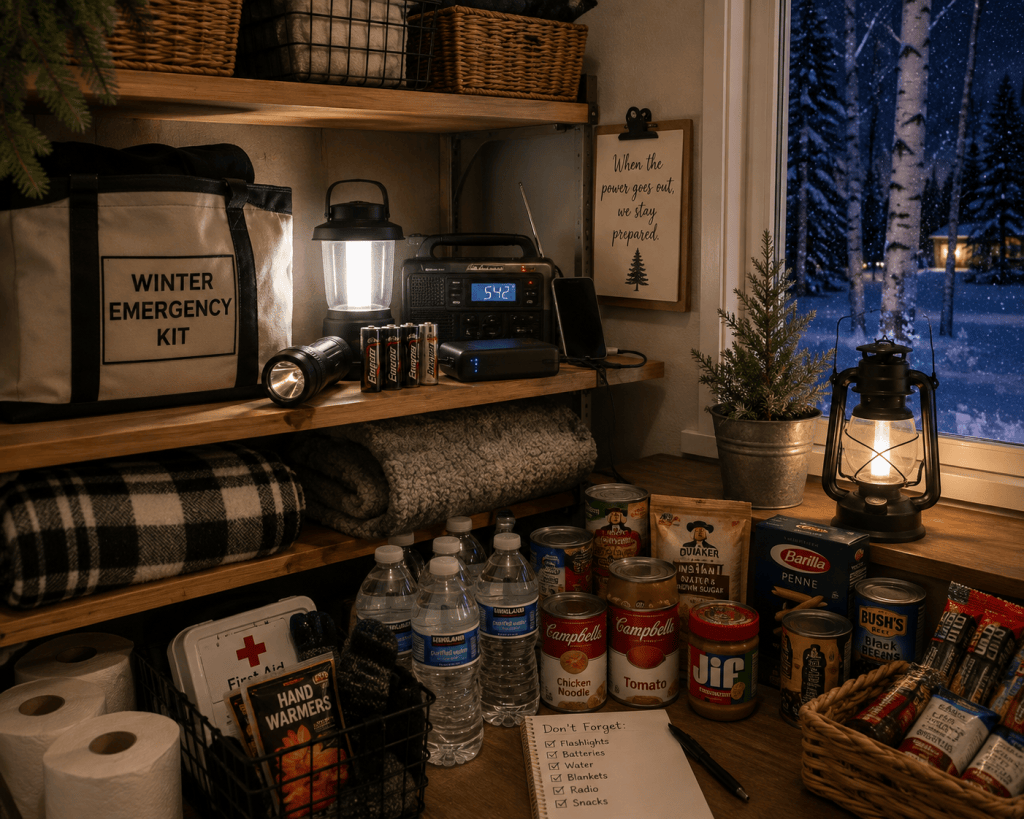
Keep basic supplies somewhere easy to find, including:
- Flashlights
- Fresh batteries
- Emergency lanterns
- Portable phone chargers
- Blankets
- Drinking water
- Shelf-stable food
- A battery-powered or hand-crank radio
If your household relies on electrically powered medical equipment or other essential devices, make a specific backup plan for those needs.
And if you use a generator, make sure you understand how to operate it safely before an emergency occurs. Generators should never be operated inside a home, garage, or other enclosed space where carbon monoxide can accumulate.
Nobody wants to read an instruction manual by flashlight during a snowstorm.
9. Stock the Everyday Winter Essentials
You don’t need to prepare for the apocalypse.
But having a few everyday essentials on hand can save you from making unnecessary trips during bad weather.
Think about the things your household regularly needs during winter: basic pantry staples, pet supplies, medications, batteries, ice melt appropriate for your property, and whatever else tends to run out at the least convenient possible moment.
This isn’t about filling an entire basement with canned beans.
It’s simply about having enough on hand that a snowstorm doesn’t automatically require a trip to the store.
❄️Northern Tip:
Pay attention this winter to the things you repeatedly run out of. Add them to a simple winter-stock list for next year.
10. Get Snow-Removal Gear Ready
There’s a special northern tradition that happens every year:
The first real snowfall arrives…
and someone realizes the snow shovel is still buried behind the lawn mower.
Beat the snow to it.
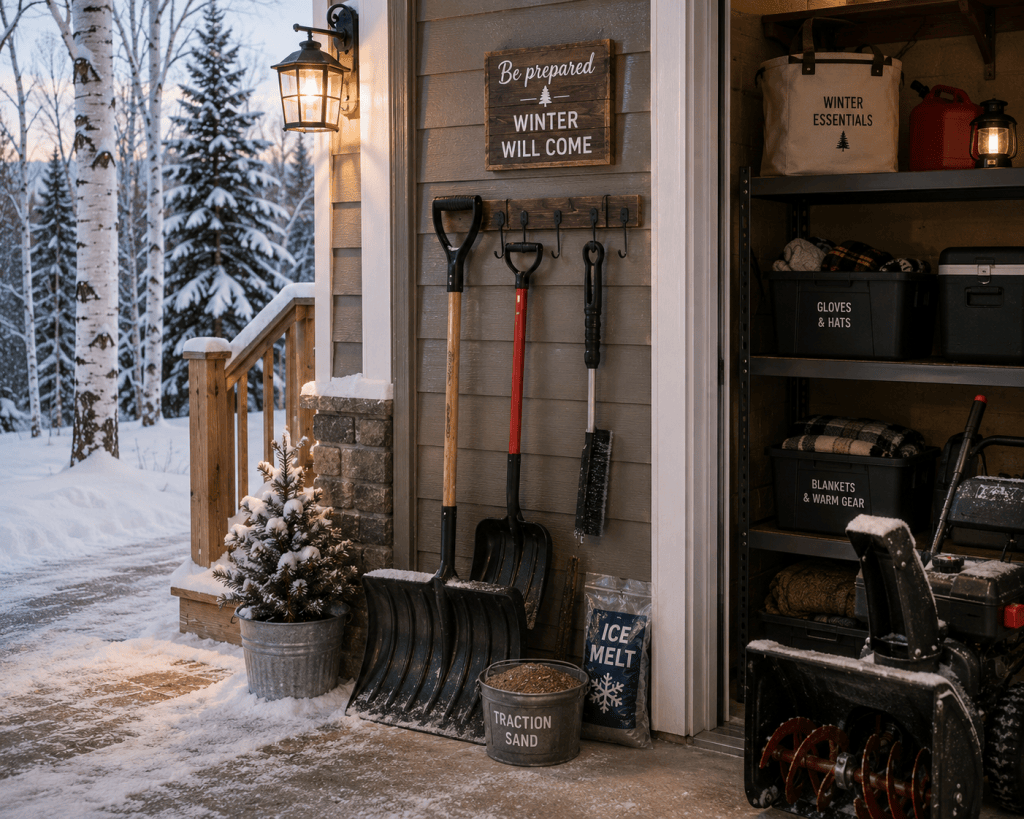
Move snow shovels, snow brushes, roof rakes, ice chippers, and other winter tools somewhere accessible before you need them.
Check your snowblower if you have one, and take care of any recommended seasonal maintenance.
Make sure outdoor extension cords and equipment you plan to use are rated appropriately for their intended use and winter conditions.
And keep at least one snow shovel somewhere you can actually reach after a storm.
Because having three shovels inside a shed blocked by a four-foot snowdrift technically means you have zero shovels.
11. Protect the Things Outside
Walk around the exterior of your home before everything disappears under snow.
Put away or secure patio furniture, lightweight decorations, garden tools, and anything else that could be damaged by wind, snow, or ice.
Check that gutters and downspouts are clear where applicable, and make sure water is being directed away from the foundation.
Look at stairs, railings, decks, and walkways for anything that needs attention before ice makes repairs more difficult.
This is also a good time to think about where snow will pile up during the winter.
A perfectly convenient storage spot in September may be directly underneath a roofline that dumps snow all winter.
12. Make the House Feel Cozy
Winter preparation doesn’t have to be entirely practical.
Once the important jobs are finished, this is the fun part.
Bring out the warm blankets.
Add softer lighting.
Set up a basket of throws near the couch.
Put a rug somewhere cold floors tend to bother you.
Create a favorite spot for morning coffee.
Winter is much easier to enjoy when home feels warm and inviting.
And when you’re living somewhere that can stay snowy for months, cozy isn’t just a decorating style.
It’s practically a survival strategy. 😂
A Simple Northern Home Winter Checklist
Before the really cold weather arrives:
- Check doors and windows for drafts
- Replace or clean heating-system filters as appropriate
- Test smoke and carbon monoxide detectors
- Prepare the entryway for wet winter gear
- Disconnect and drain garden hoses
- Prepare humidifiers for winter
- Reverse ceiling fans if applicable
- Restock basic power-outage supplies
- Charge portable power banks
- Stock frequently used winter essentials
- Move snow-removal equipment somewhere accessible
- Secure outdoor furniture and decorations
- Check exterior walkways, stairs, and railings
- Bring out blankets and other cozy winter comforts
You don’t have to finish everything in one weekend.
Start with the things that actually protect your home and family, then work your way through the rest.
Ready for Whatever Winter Brings
A long northern winter is much easier when your home is prepared for it.
A few simple jobs in fall can help keep the house warmer, make snowy days easier to manage, and prevent some of those annoying winter problems that always seem to appear at the worst possible time.
Then, when the temperature drops and the snow starts piling up, you can stay inside knowing you’ve already done the important work.
Make something warm to drink, grab a blanket, and watch the snow fall.
Because if you live in the North, there’s a good chance you’ll have plenty of opportunities. ❄️🌻
Northern Home & Garden
Beauty That Grows Through the Cold

