Once the first few hard frosts arrive, my perennial garden starts looking a little less like the garden I enjoyed all summer and a little more like… well, a garden that has officially given up for the year. 😂
Leaves turn yellow, stems flop over, and suddenly I’m standing outside with pruning shears wondering:
Do I cut all of this down?
The answer is no—and that’s actually good news.
Some perennials benefit from being cut back in fall, while others are better left standing until spring. Some provide food and shelter for birds and beneficial insects, some add beautiful winter interest, and others simply don’t need to be touched yet.
And if you’re gardening in a cold northern climate like I am, there’s no prize for cutting every plant down before the snow flies.
Here’s how I decide what stays and what goes.
Affiliate Disclosure: This post contains affiliate links. As an Amazon Associate, Northern Home & Garden earns from qualifying purchases at no additional cost to you.
Why Cut Back Perennials in Fall?
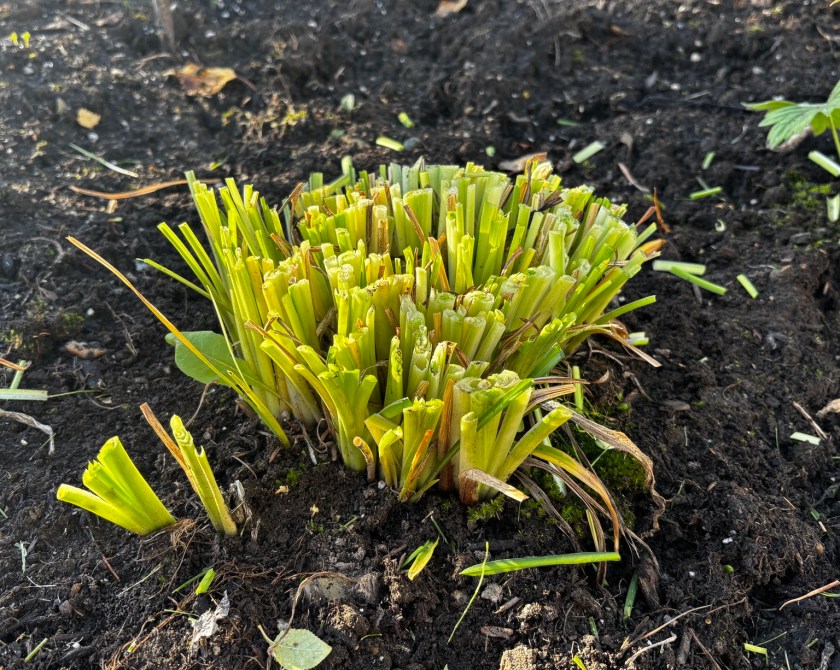
Fall cleanup can help remove dead or damaged foliage, reduce some disease problems, prevent soggy plant material from piling up around certain plants, and make spring cleanup considerably easier.
But the goal isn’t to make the garden completely bare.
Dead stems and seed heads can provide winter habitat for insects and food for birds, while sturdy plants can add structure to an otherwise very snowy garden.
So rather than cutting everything, I prefer a more selective approach.
❄️Northern Tip
Think of fall cleanup as tidying your perennial garden—not emptying it.
Wait Until Frost Has Done Its Work
I generally wait until we’ve had several frosts and the plants are clearly going dormant before I start cutting things back.
You’ll usually see foliage begin to yellow, brown, wilt, or collapse.
At that point, the plant has finished putting on its summer show and I can start cleaning up the perennials that benefit from fall pruning.
And in my garden, Mother Nature makes the message fairly obvious.
One day everything looks reasonably respectable.
A few frosts later?
“Okay. I’m done. See you in spring.” 😂❄️
Perennials I Cut Back in Fall
These are some of the common plants I’m comfortable cleaning up once frost has finished off the foliage.
Daylilies
Once daylily foliage has turned yellow or brown and begun collapsing, I cut it back to roughly 2–4 inches above the ground.
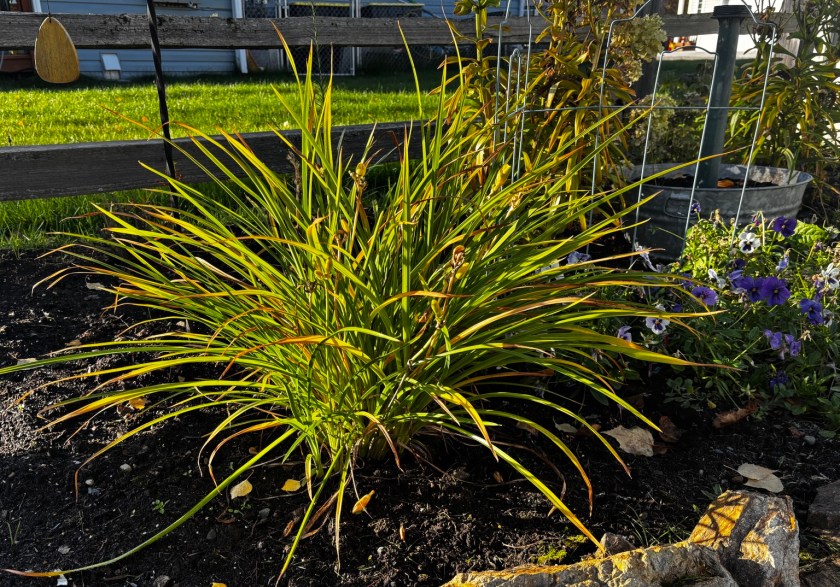
Remove the old flower stalks and dead foliage while you’re there.
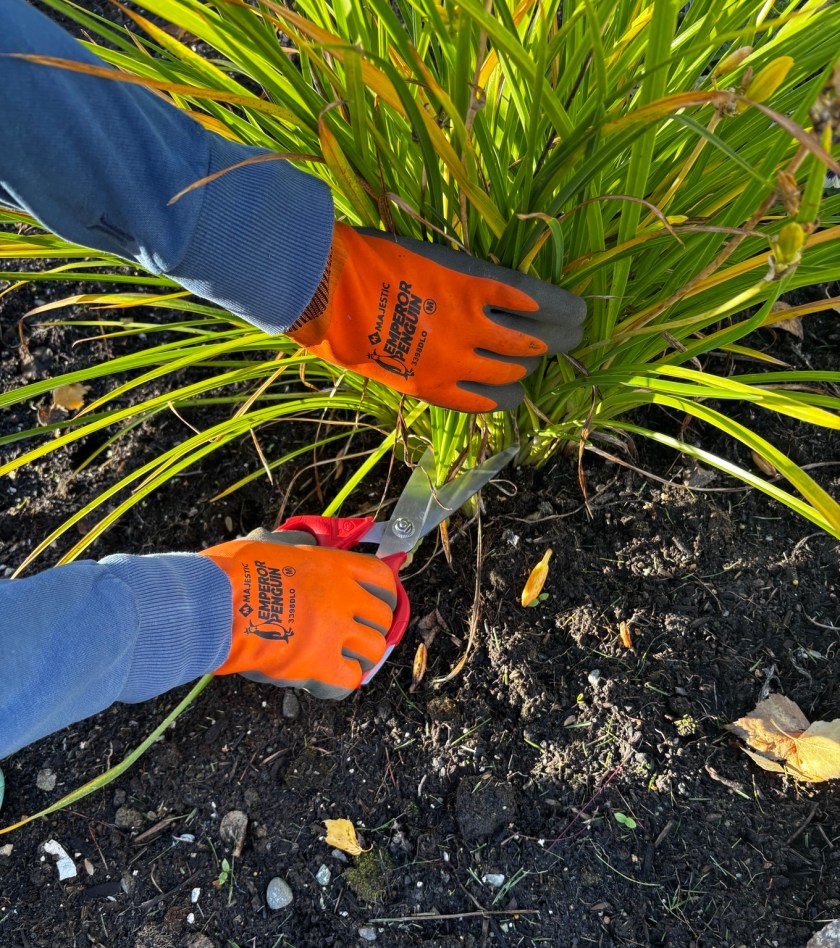
There’s no need to cut the plant perfectly flush with the soil. Leaving a couple inches makes it easy to see where the crown is and avoids accidentally damaging it.
Hostas
After a good frost, hosta leaves usually become yellow, limp, and eventually downright mushy.
At that point, I remove the foliage near the base of the plant.
Leaving collapsed hosta leaves all winter doesn’t add much winter interest, and cleaning them up in fall means one less slimy job waiting for me when the snow melts.
And frankly, spring-me appreciates anything fall-me takes care of ahead of time. 😂
Herbaceous Peonies
Once the foliage has died back in fall, herbaceous peonies can be cut down close to the ground.
I also remove the old foliage from the garden rather than leaving it around the plant, especially if the leaves showed signs of disease during the growing season.
One important distinction: tree peonies are woody shrubs and should not be treated the same way. If your peony has permanent woody stems, don’t automatically cut those stems to the ground.
Irises
Irises can look pretty rough by the end of the season.
I remove dead, damaged, or diseased foliage and trim back foliage that has finished for the year. Clean tools are especially important if you’re working around plants that showed signs of leaf disease.
You don’t need to cut into or damage the rhizome itself—the goal is simply to clean up the spent foliage above it.
🌻 What I Use
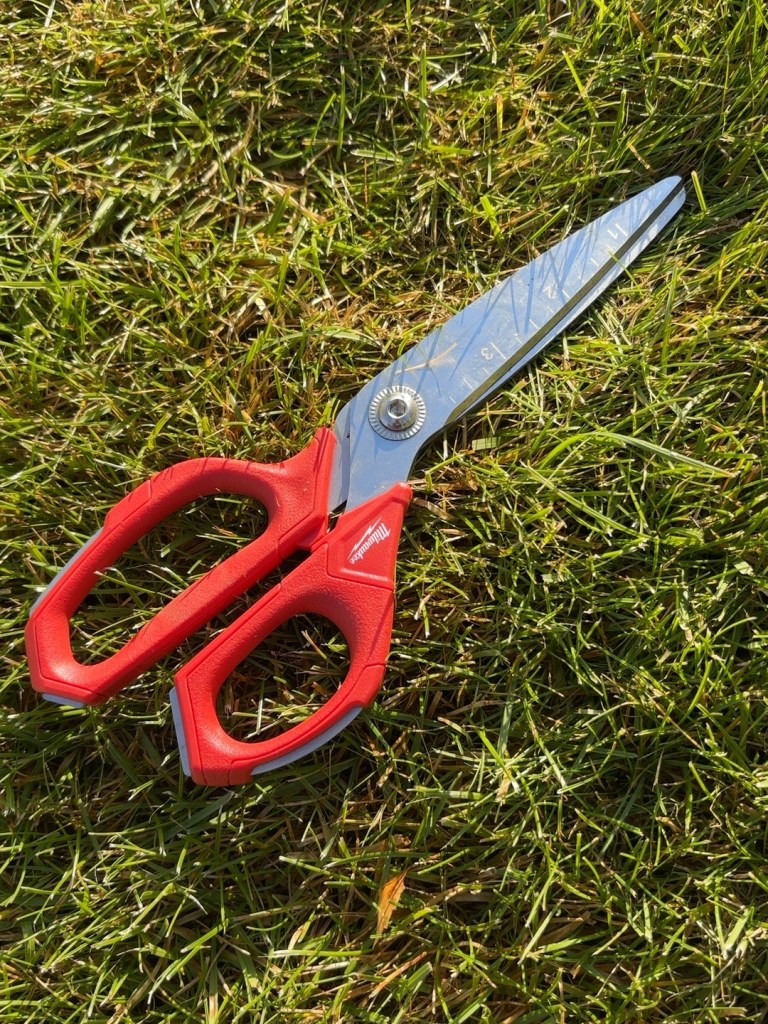
For cutting back irises and daylilies, I love these long-bladed Milwaukee scissors. They make it much easier to grab a handful of foliage and make a clean cut than trying to work through it with my smaller pruning snips.
See the Milwaukee scissors I use →
Other Collapsed Perennials
Bleeding hearts and some other herbaceous perennials naturally die back and disappear after frost.
Once the foliage is completely yellow or brown and pulls away easily, it’s perfectly reasonable to clean it up.
The key word here is dead.
If a perennial is still green and healthy, I’m usually in no rush to cut it simply because the calendar says fall.
Perennials I Often Leave Standing Until Spring
Now we get to the plants that earn themselves a winter stay. 😂
Some dried perennials provide food for wildlife, shelter for beneficial insects, structure in the garden, or simply look beautiful covered in frost and snow.
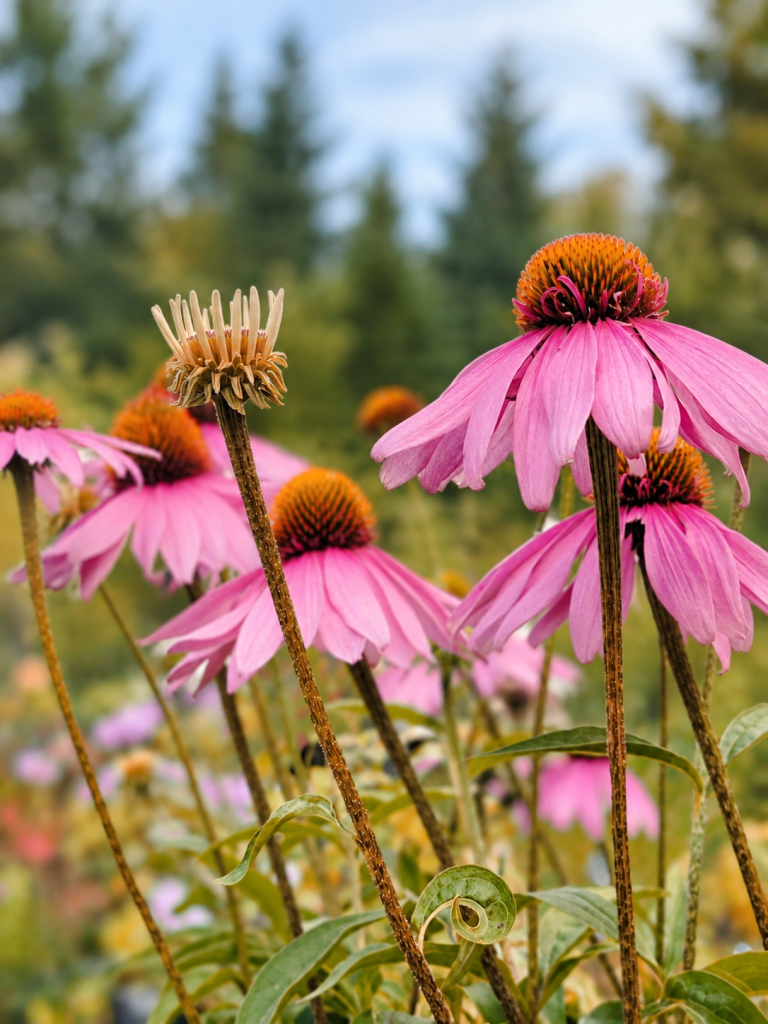
Coneflowers and Rudbeckia
Those dried seed heads may look finished to us, but birds can appreciate the seeds.
Unless I have a specific reason to remove them, I’m happy to leave at least some standing through winter.
Sedum and Stonecrop
This is one I especially like leaving alone.
The dried flower heads hold their shape beautifully and can look gorgeous covered in frost or a little cap of snow.
They’re basically free winter garden decorations. ❄️
Ornamental Grasses
Rather than cutting ornamental grasses down in fall, I generally leave them standing and cut them back in spring.
Their dried foliage adds movement and structure to the winter landscape and can help the garden feel a little less empty once everything else disappears under snow.
Plants With Interesting Seed Heads
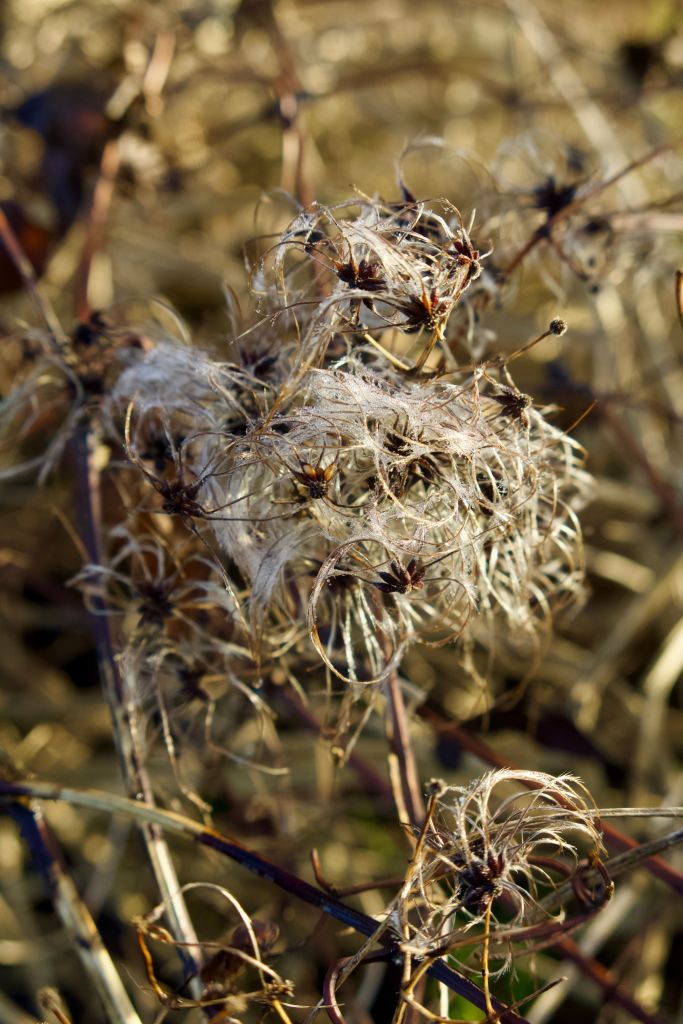
If a healthy plant has sturdy stems or interesting seed heads, I don’t automatically remove it.
Sometimes the prettiest winter garden isn’t the cleanest one.
Some Plants Need Different Pruning Rules
This is where I put the pruning shears DOWN. 😂
Not everything growing in a perennial bed is an herbaceous perennial that can safely be chopped to the ground.
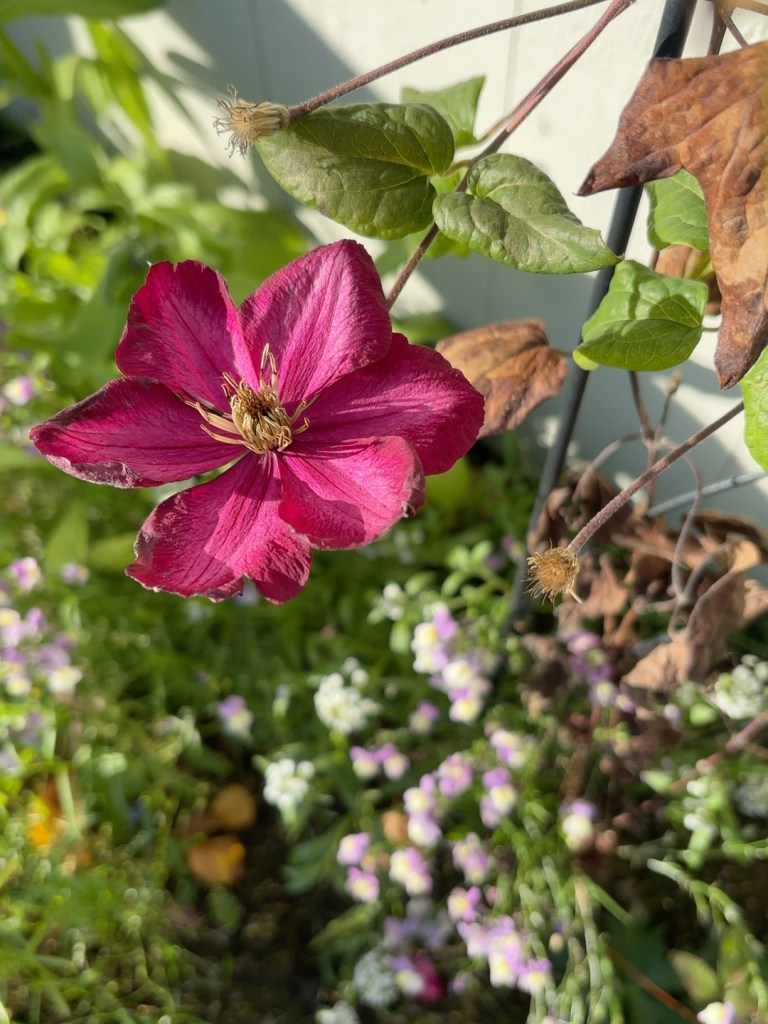
Clematis is a great example. Different clematis varieties bloom on old growth, new growth, or both, which means their pruning requirements aren’t all the same.
The same goes for many flowering shrubs and woody plants.
So if you’re standing over a plant thinking:
“I have absolutely no idea what this is.”
Don’t cut it yet.
Identify the plant first and find out when and how it should be pruned.
Waiting until spring is usually a lot easier to fix than accidentally removing next year’s flowers.
What About Diseased Foliage?
This is one situation where I’m much less inclined to leave things standing.
If a plant had obvious fungal disease, badly spotted foliage, or another disease problem during the growing season, I remove the affected plant material from around the garden rather than leaving it in place over winter.
I also don’t automatically toss diseased material into my regular home compost pile. Some pathogens can survive unless compost reaches appropriate temperatures.
Healthy leaves and stems may be useful in the garden.
How Short Should You Cut Perennials?
There’s no single cutting height that’s correct for every perennial.
For many common herbaceous perennials that are appropriate to cut back, leaving a few inches of stem above the soil works just fine.
You don’t need to shave everything perfectly level with the ground.
Should You Mulch After Cutting Back Perennials?
Mulch can be useful in cold climates, particularly around newly planted or more vulnerable perennials, but more isn’t automatically better.
The goal is to help moderate temperature swings and protect roots—not bury plant crowns beneath a wet pile of material.
If you mulch, apply it appropriately for the particular plant and avoid packing wet mulch tightly against crowns or woody stems.
And remember: in places with reliable snow cover, snow itself is an excellent insulator.
Final Thoughts
Preparing a perennial garden for winter isn’t about cutting everything to the ground before the first snowflake falls.
I’ve become much more selective.
Some plants look beautiful covered in frost. Some feed birds. Some provide habitat. Some are simply better pruned in spring.
And sometimes?
I’ve been gardening all summer and spring-me can deal with it. 😂🌻

