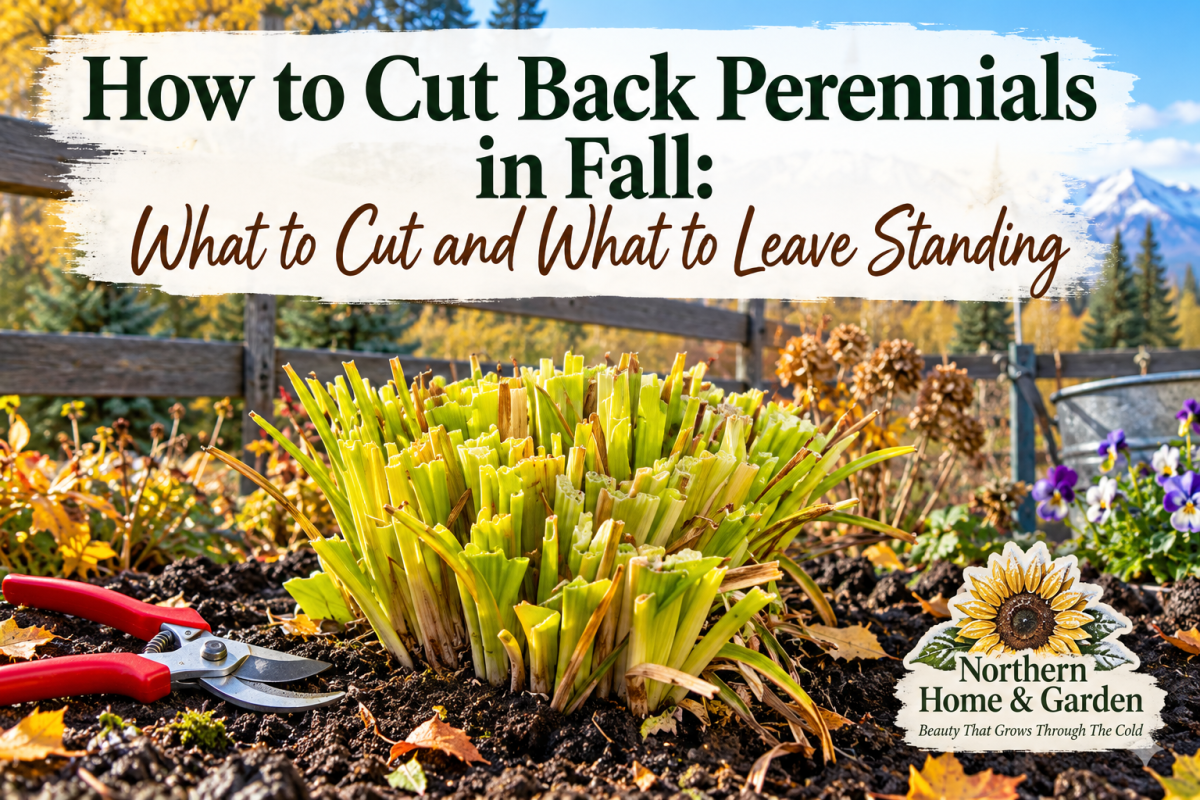
Wondering which perennials to cut back in fall, and which ones are better left standing? Here’s a practical guide to cleaning up daylilies, hostas, peonies, irises, and more while leaving beneficial winter interest behind.
Once the first few hard frosts arrive, my perennial garden starts looking a little less like the garden I enjoyed all summer and a little more like… well, a garden that has officially given up for the year!
Leaves turn yellow, stems flop over, and suddenly I’m standing outside with pruning shears wondering: Do I cut all of this down?
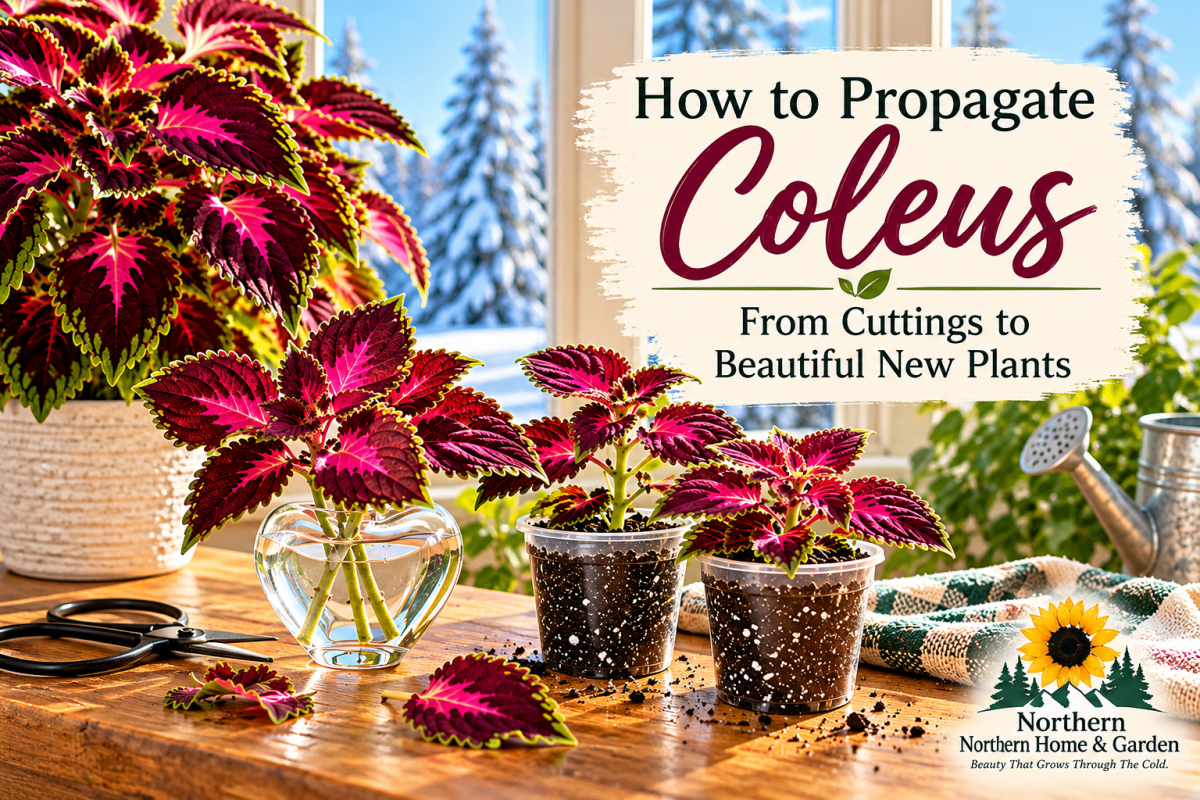
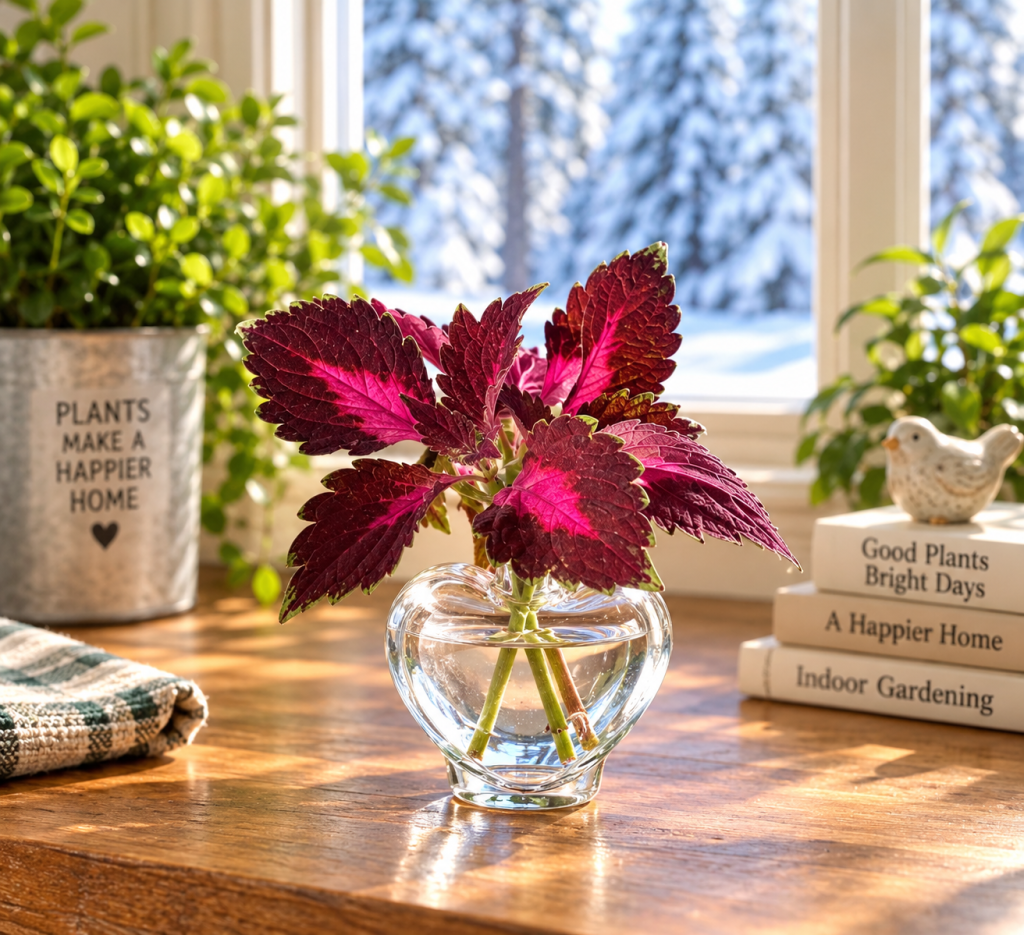
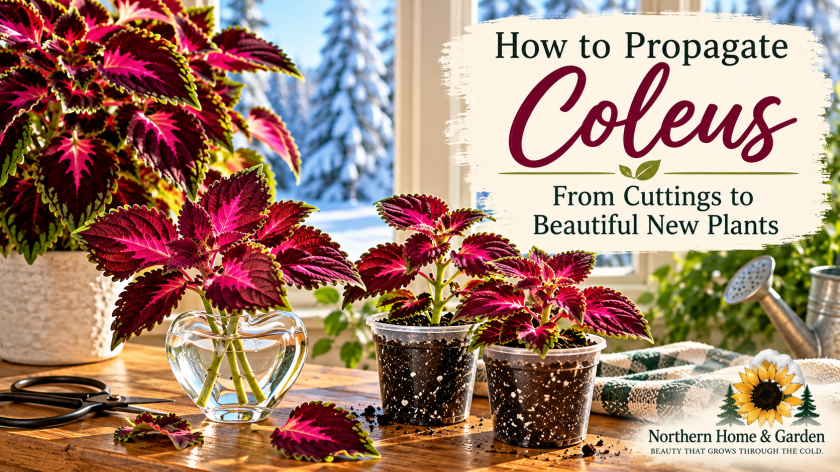
Learn how to take coleus cuttings, root them in water, transplant them into soil, and keep your new plants growing happily indoors through winter.
Coleus might be one of the most dangerously easy plants to propagate.
You start with one plant. You snip off a little cutting, stick it in a glass of water, and suddenly you’re looking around the house wondering where you’re going to put the other 14 coleus plants you somehow acquired.
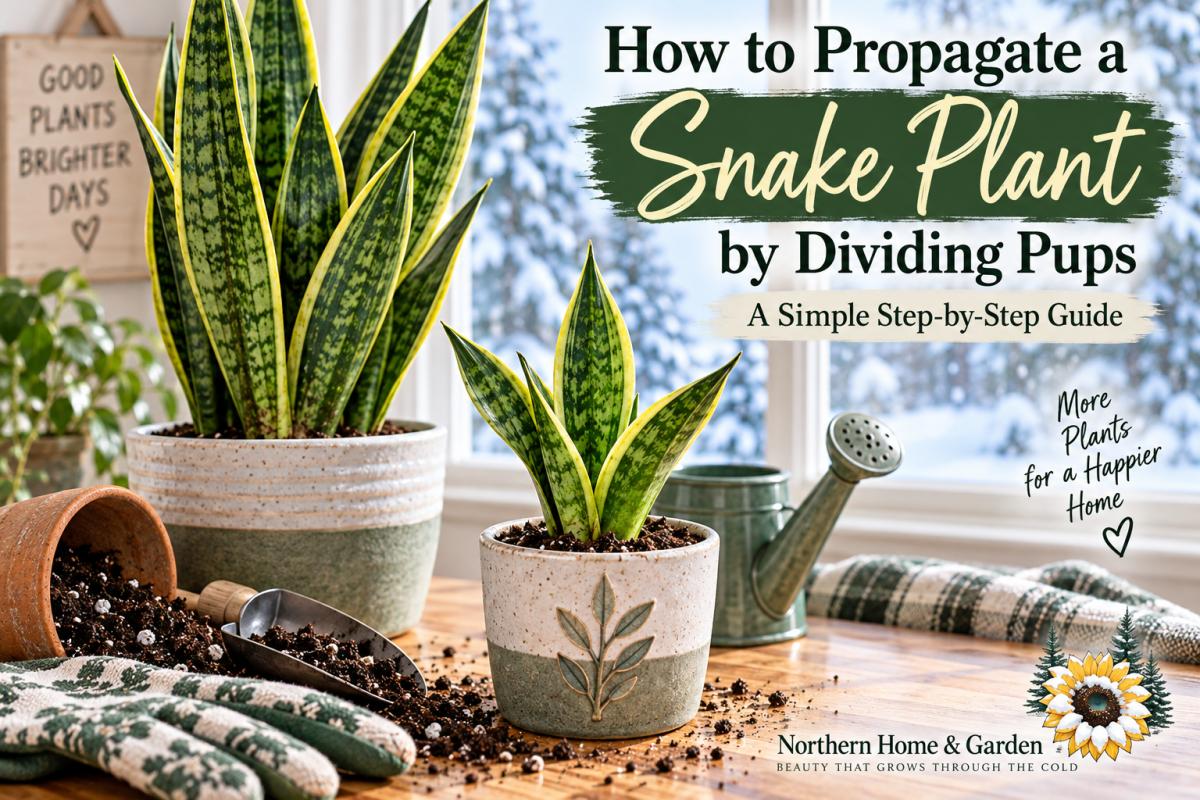
Learn how to propagate a snake plant by separating pups from the mother plant. This beginner-friendly guide walks you through dividing, repotting, and caring for your new snake plant.
Snake plants are pretty generous houseplants. Give them a decent spot, don’t drown them, and they’ll usually carry on without demanding much attention.
Then one day, you look down into the pot and realize…
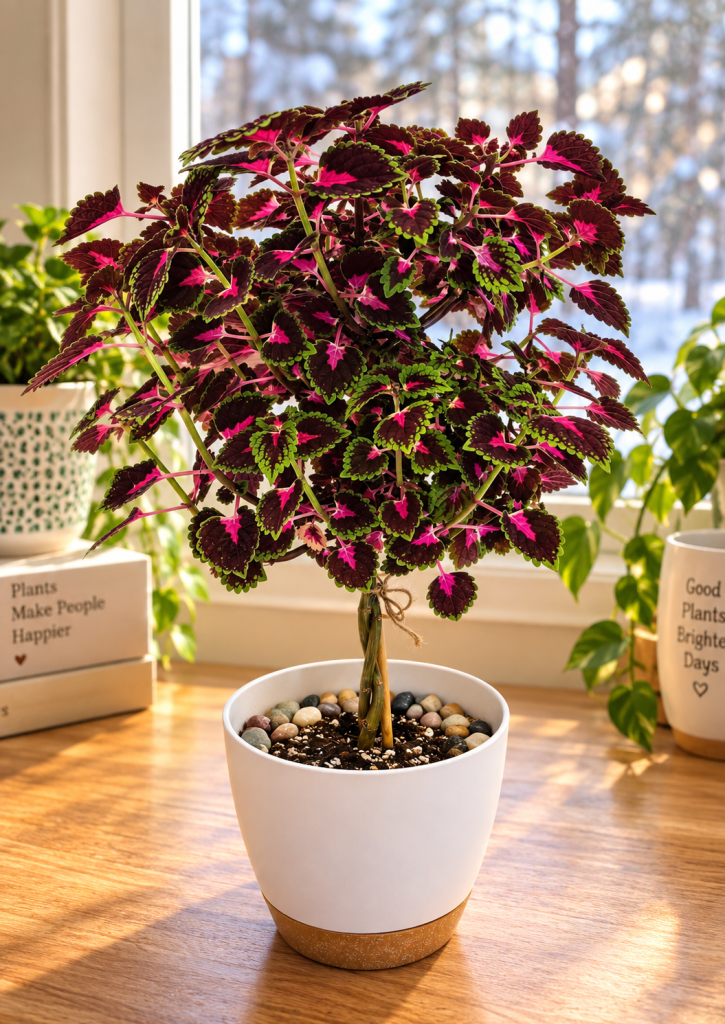
Turn an ordinary coleus into a beautiful indoor tree with a little patience and plenty of pruning. Learn how to train the stems, shape a full canopy, and keep your coleus growing indoors through winter.
Most of us think of coleus as a bushy plant tucked into containers or garden beds. But with some strategic pruning, you can train a coleus into an entirely different shape, complete with a miniature trunk and a full canopy of colorful leaves.
And because coleus is so easy to propagate, you don’t need to buy a large plant to get started. All you need is a few cuttings.
Here’s how I grew mine.
Affiliate Disclosure:This post contains affiliate links. As an Amazon Associate I earn from qualifying purchases.
What Is a Coleus Tree?
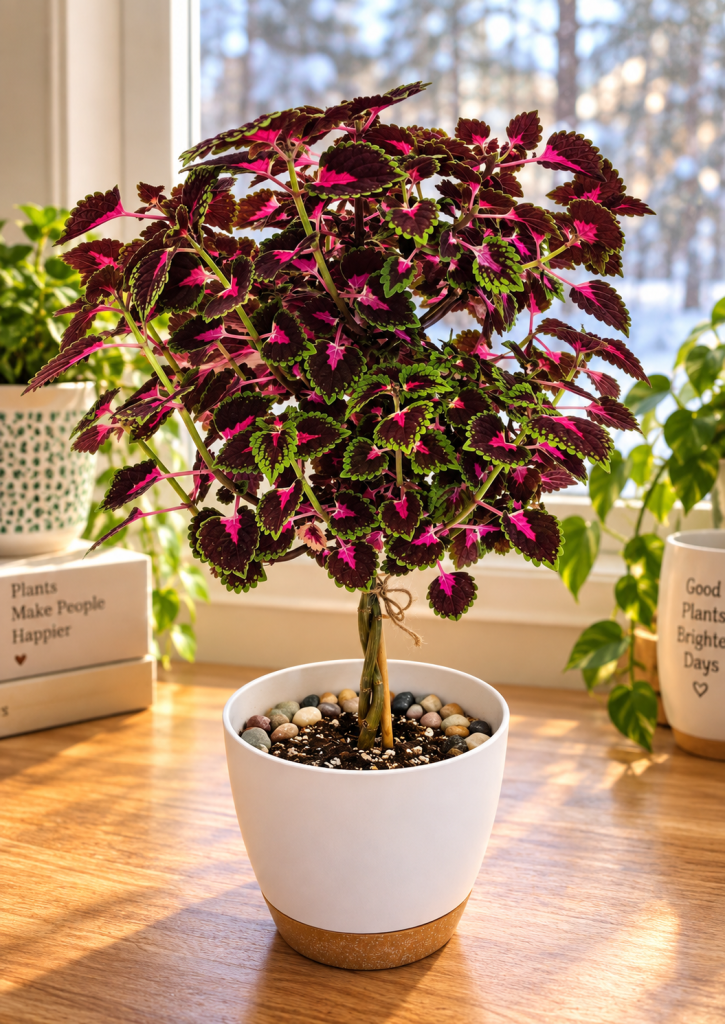
A coleus tree isn’t a special variety of coleus. It’s simply a coleus plant trained into a tree shape rather than allowed to grow naturally as a bush.
By encouraging one or two main stems to grow taller, removing lower growth, and pruning the top, you can create a miniature trunk with a full, rounded canopy.
And that little tree can have leaves in beautiful shades of pink, burgundy, green, purple, or just about any combination in between!
❄️ Northern Tip:
Coleus grows quickly under good conditions, making it a fun plant to experiment with. Don’t worry if your first attempt isn’t perfectly shaped. Coleus is forgiving and gives you plenty of new growth to work with!
Start With a Healthy Coleus Plant or Cutting
You don’t need a large plant to grow a coleus tree. A healthy young plant or even a rooted cutting is enough to get started.
If you’re starting from a cutting, choose a healthy stem, remove the lower leaves, and place it in water until roots develop. Then transplant it into potting soil.
Once your plant is established and actively growing, you’re ready to begin training it into a tree.
Choose Your Main Stems
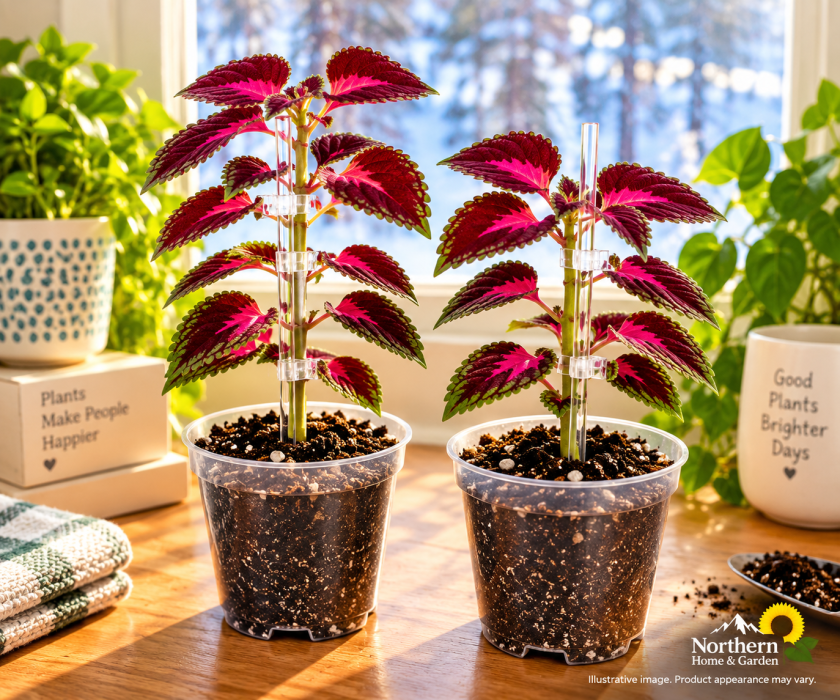
For my coleus trees, I started with two young plants growing together in the same pot.
As they grew, I gently wrapped the stems around each other, gradually removing the lower side growth. Over time, they created a thicker, more interesting-looking trunk that supported the leafy canopy above.
Don’t worry if the stems look skinny at first. They’ll thicken as the plants mature.
You can also grow a coleus tree using a single strong stem, but I really liked the look of growing two together!
❄️ Northern Tip:
If your young coleus leans, use a thin clear plant support stake beside the stem. I like clear acrylic stakes because they provide support without being very noticeable once the plant fills in.
Find the tools we use to keep our houseplants happy and growing!
This might be the hardest part, especially if you’re someone who wants to start shaping everything immediately!
For a coleus tree, we want height first and bushiness later.
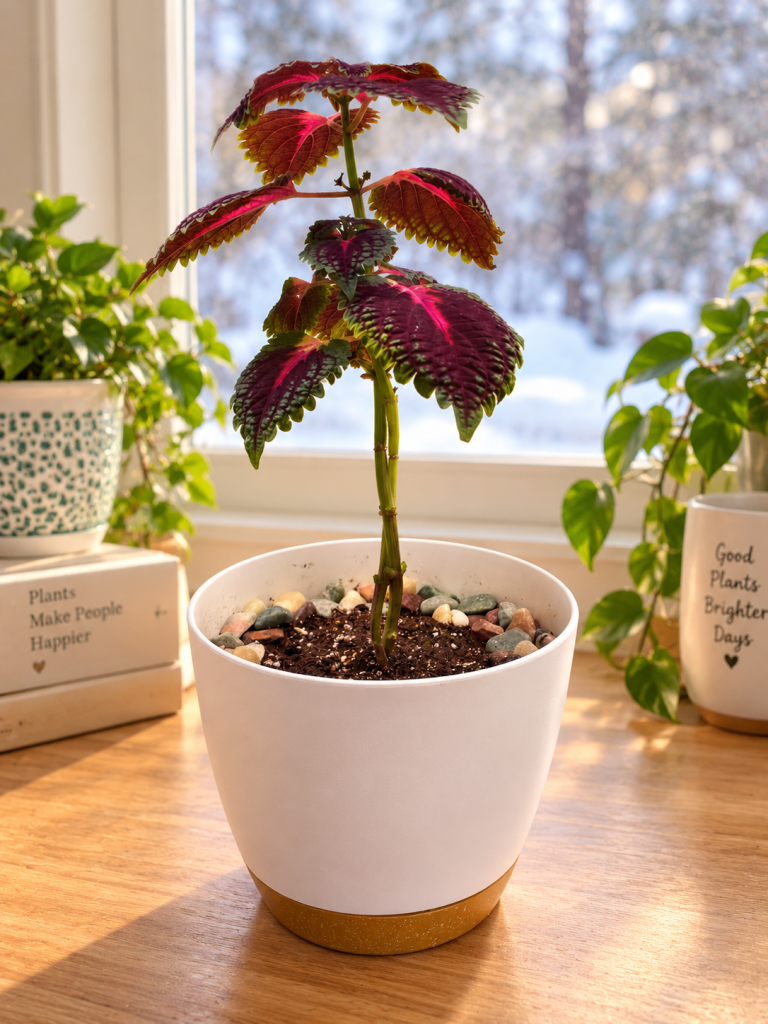
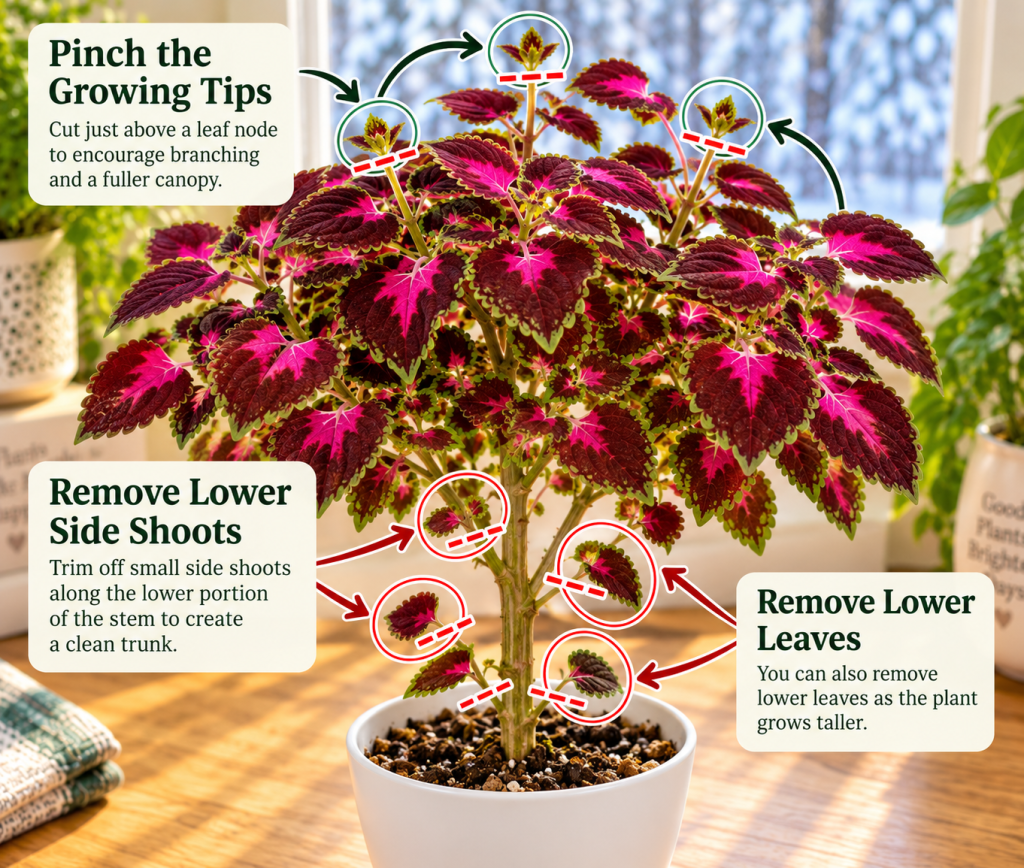
Let the main stem grow upward, gradually removing lower side shoots as they appear. You can also remove lower leaves as the plant gets taller, but don’t strip the stem bare all at once. Those leaves are still helping your young plant grow.
As the plant gains height, you’ll start seeing that little trunk take shape. Rotate the pot a quarter turn every week or so, so your trunk grows straight instead of leaning toward the window. (In winter, our coleus would happily lean all the way to Hawaii if we let it.)
And yes, there will probably be an awkward phase.
That skinny stem with a handful of leaves at the top might not look impressive yet, but don’t give up on it.
That’s the beginning of your tree!
Decide How Tall You Want Your Coleus Tree
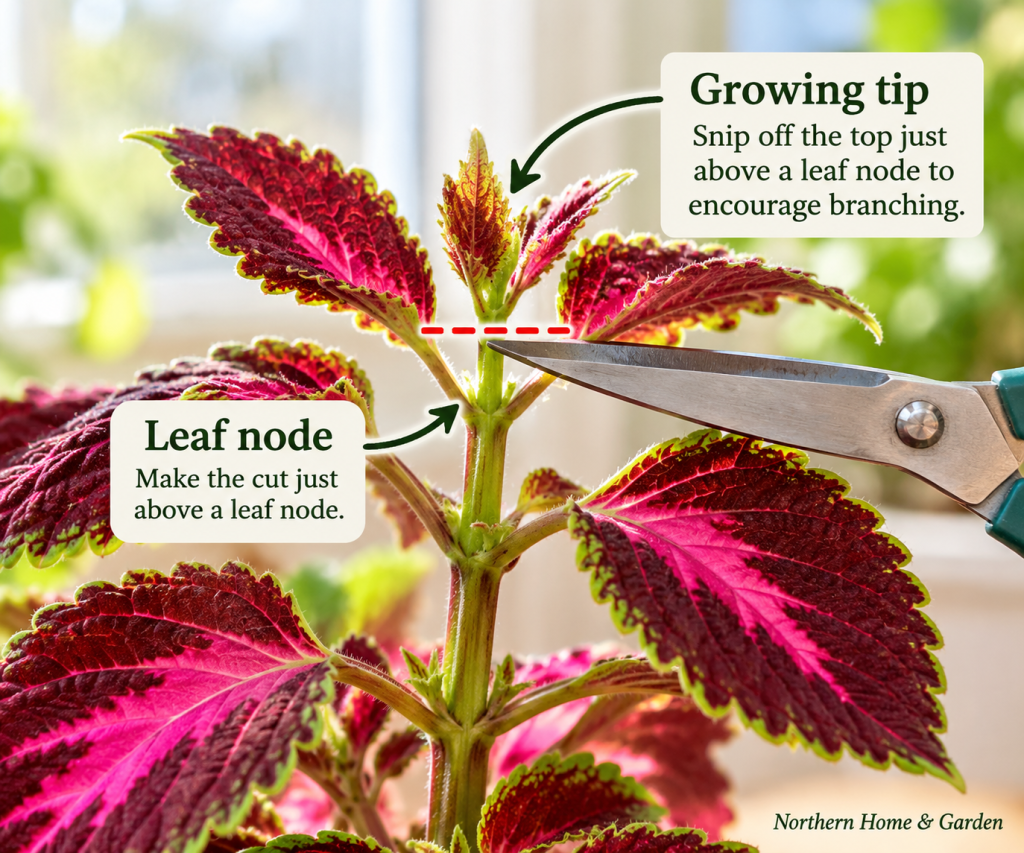
When you’re happy with the height of your main stem, pinch or prune off the growing tip just above a leaf node. This encourages new branches to develop below the cut.
It might feel wrong to cut the top after spending all that time encouraging it to grow taller.
Do it anyway!
This is when the fun really starts.
Pinch and Prune to Build the Canopy
Once your coleus begins branching at the top, it’s time to focus on creating a full, rounded canopy.
Allow several branches to develop, then pinch their growing tips just above a leaf node. Use clean, sharp pruning snips (my micro-tip snips are perfect for this) to make your cuts.
Each time you pinch a growing tip, you encourage additional branching below the cut. Repeat as needed to gradually create a fuller canopy.
You may also notice new shoots growing along the lower trunk.
Simply remove those shoots as they appear and continue shaping the canopy to keep your little tree looking full and balanced.
Water Without Keeping the Soil Soggy
Coleus prefers consistently moist soil, but not soggy roots.
Use a pot with drainage holes and water thoroughly when the top inch of soil begins to dry. A soil moisture meter takes the guesswork out of it. Let any excess water drain away.
Coleus can be a little dramatic when it’s thirsty! A wilted plant may perk up quickly after watering, but repeated wilting can stress it.
From a Little Plant to a Coleus Tree
Watching this little plant grow into a coleus tree was half the fun! 🌿
It started as a couple of small plants, went through a rather awkward tall-and-skinny stage, and eventually became a colorful little indoor tree.
If you already have a coleus growing at home, give this project a try! It’s a fun way to enjoy your coleus indoors, especially when the outdoor gardening season is on hold for, oh, about seven months.
Grow fresh herbs indoors all winter with a simple mason jar herb garden. Learn how to plant, water, and care for herbs during the darkest northern months.
When the outdoor gardening season is short, growing a few herbs indoors is an easy way to keep something green going all year long. And you don’t need a fancy indoor garden system to do it!
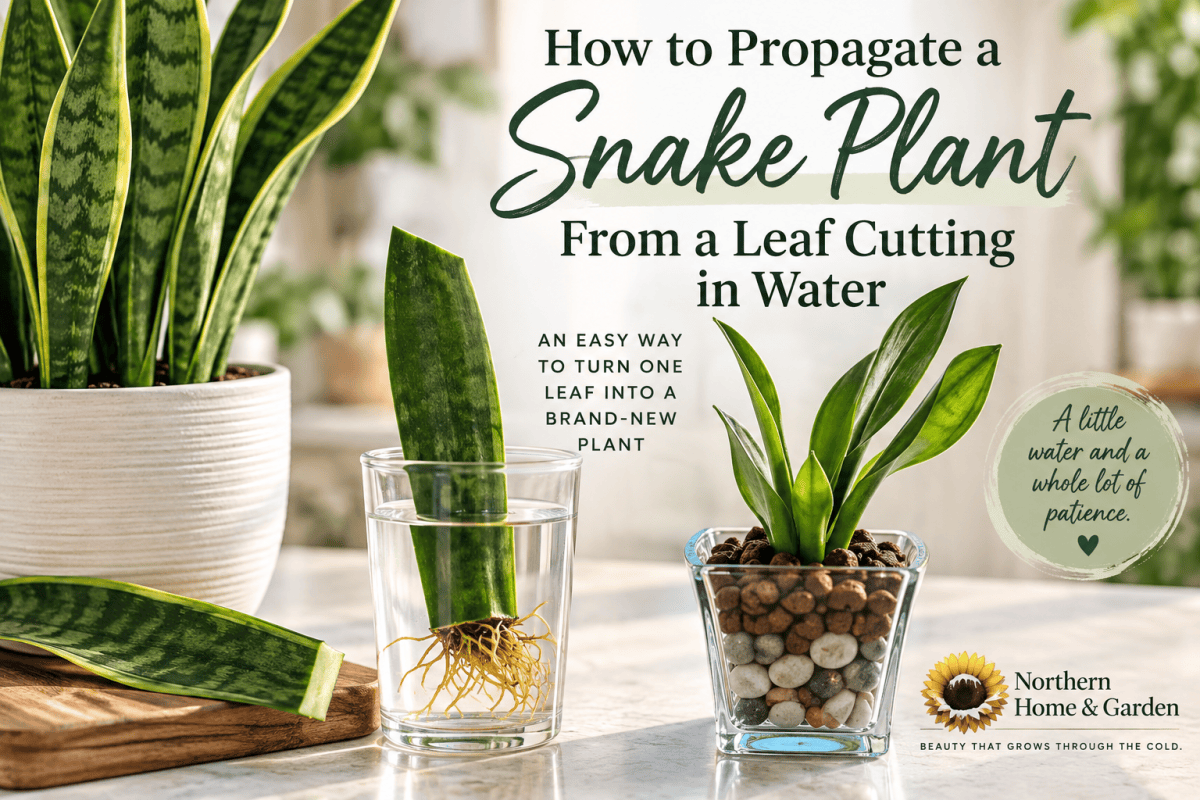
Learn how to propagate a snake plant from a leaf cutting in water, from making the first cut to growing roots and new shoots.
Snake plants are tough, low-maintenance houseplants, but one of my favorite things about them is how easily you can grow a new plant from a single leaf cutting. 🌿
Turn an overgrown string of hearts into a beautiful living display! Learn how to gently train long, trailing vines around a heart-shaped support while keeping plenty of that gorgeous cascading growth.
String of hearts is one of those houseplants that starts out looking sweet and innocent. A few delicate vines. Tiny heart-shaped leaves. Nothing suspicious happening here.
And then one day you realize those vines have somehow traveled halfway across the room.
Get your raised garden beds ready for a long northern winter with simple tips for fall cleanup, soil protection, and an easier start next spring.
By the end of a short northern growing season, the garden can look a little tired. Plants are past their prime, weeds have found one last burst of energy, and it’s tempting to simply walk away and let the snow take care of everything.
And technically, the snow will cover everything eventually.
Get your perennial garden ready for a long northern winter with simple tips for fall cleanup, watering, mulching, and protecting your plants until spring.
By late fall, the flowers are gone and leaves are turning brown. Plants that were enormous a few weeks ago are suddenly collapsing onto the ground.
Fortunately, hardy perennials are supposed to do this. They’re shutting down for winter, storing energy in their roots, and preparing to survive months of cold before starting all over again in spring.
Wondering what actually grows in Zone 2? From hardy perennials and cool-season vegetables to berries and annual flowers, this beginner-friendly guide covers what thrives in a cold climate, and how to make the most of a short northern growing season.
If you’ve ever looked at a beautiful garden online and immediately wondered…
Yeah, but will that grow HERE?
Welcome to northern gardening!
Gardening in Zone 2 can feel intimidating at first. Winters are long. Temperatures can get extremely cold. The growing season is short, and frost always seems to arrive just when the garden is finally looking its best.
But you can grow an absolutely beautiful garden in Zone 2.